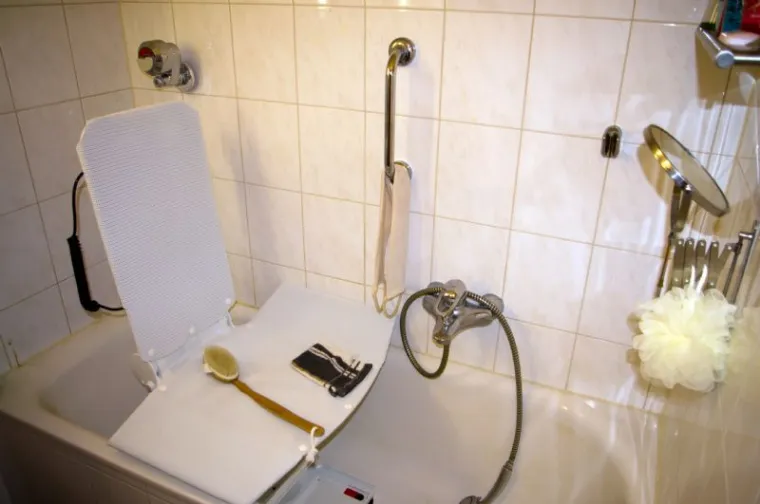
Palliative care bathing equipment plays a quiet but powerful role in how Veterans experience comfort, dignity, and safety during daily care. Bathing is not just a routine task. For many Veterans receiving palliative care, it can be physically exhausting, emotionally stressful, and deeply personal. Challenges such as limited mobility, fatigue, pain, and balance concerns can turn bathing into a source of anxiety for both Veterans and caregivers.
Veterans receiving palliative care often live with complex medical conditions. Muscle weakness, joint stiffness, shortness of breath, and balance changes can make standing or transferring unsafe. Even sitting upright for extended periods can be difficult.
Bathing spaces also introduce added risks. Wet surfaces increase the chance of slipping, and tight bathroom layouts can make transfers harder. Without proper support, bathing can become uncomfortable or unsafe.
Bathing is a deeply personal activity. For Veterans who value independence and privacy, needing help with bathing can feel discouraging. Loss of control during personal care routines may increase stress, frustration, or embarrassment.
Adaptive bathing equipment helps reduce these emotional burdens by allowing Veterans to remain supported, covered, and comfortable throughout the process.
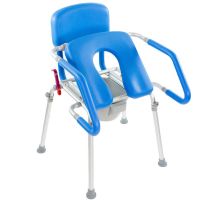 | GentleBoost Uplift 3-in-1 Commode Shower Chair by Platinum Health View Product |
Well-designed palliative care bathing equipment allows caregivers to assist without unnecessary exposure or repositioning. Seating systems, portable showers, and supportive frames help Veterans stay comfortably positioned while care is provided. This approach supports dignity by preserving modesty and allowing bathing to feel less rushed and more respectful.
Adaptive bathing equipment is designed to work with the body rather than against it. Features such as supportive seating, adjustable positioning, and gentle water delivery help reduce discomfort and fatigue.
For Veterans experiencing pain or limited endurance, these features can make bathing more manageable and less physically demanding.
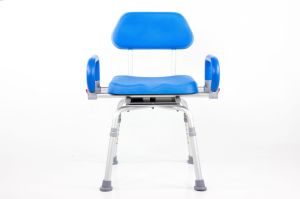 | Platinum Health Revolution Swivel Shower Chair View Product |
Falls in the bathroom are a serious concern. Adaptive bathing equipment helps reduce fall risk by providing stable seating, handholds, and controlled positioning. This is especially important for Veterans with balance challenges or weaknesses.
 | Toilet Lift by Dignity Lifts | Electric Toilet Lift with Rechargeable Battery and 14 in. Lift View Product |
Caregivers face physical strain when assisting with bathing, especially during lifting or repositioning. Equipment that supports seated bathing or portable showering reduces the need for manual lifting, helping protect caregiver health and longevity.
Liomar Medical develops bathing solutions that are designed for real-world care environments. Their equipment emphasizes flexibility, ease of use, and respect for the individual receiving care. Rather than relying on fixed installations, Liomar products are often portable and adaptable, making them suitable for home care, VA facilities, and temporary care settings.
 | Wishower Portable Bath in Bed Shower System | Shower Gurney Alternative View Product |
The Wishower Portable Shower Unit is designed to bring bathing directly to the Veteran when traditional shower access is not practical. This system allows caregivers to provide gentle, controlled bathing at bedside or in other care areas.
The Wishower system can be especially valuable for Veterans experiencing fatigue, pain, or advanced illness, where conserving energy is a priority.
Adaptive bathing equipment helps turn bathing into a calmer, more predictable experience. When Veterans feel supported and safe, anxiety often decreases. Caregivers can focus on comfort rather than rushing to manage risk.
Maintaining regular hygiene routines is important for skin health, comfort, and overall well-being. Portable bathing solutions help ensure that care continues even when mobility changes.
Consulting with VA care teams, occupational therapists, or nurses can help determine which equipment best supports each Veteran’s needs.
 | Premium Sliding Tub Transfer Bench with Padded Swivel Seat by Platinum Health View Product |
Palliative care bathing equipment includes tools designed to support safe, comfortable bathing for individuals with serious illness or limited mobility.
Yes. Portable systems like the Wishower allow bathing without transferring to a traditional shower.
Yes. These tools reduce lifting and repositioning demands, helping protect caregiver health.
Bathing equipment plays an essential role in supporting dignity, comfort, and safety for Veterans receiving palliative care. Bathing should not be a source of stress or discomfort. With thoughtful solutions like those offered by Liomar Medical, care teams can provide hygiene support that respects privacy, reduces physical strain, and aligns with VA palliative care values. Portable options such as the Wishower help ensure that daily care remains compassionate, consistent, and centered on the Veteran’s well-being.

Co-Founder of Rehabmart and an Occupational Therapist since 1993. Mike has spent his professional career working in multiple areas of Occupational Therapy, including pediatrics, geriatrics, hand therapy, ergonomics and inpatient / outpatient rehabilitation. Mike enjoys writing articles that help people solve complex therapeutic problems and make better product choices.