Strength training has changed a lot over the years. Traditional weights and resistance bands are still useful, but newer technologies are helping people train more efficiently. One of the most exciting developments is adaptive resistance training.
Adaptive resistance systems adjust the level of resistance during each movement. Instead of lifting the same weight through the entire exercise, the resistance responds to how your body moves and how much force you produce. This creates a workout that feels smoother and more natural.
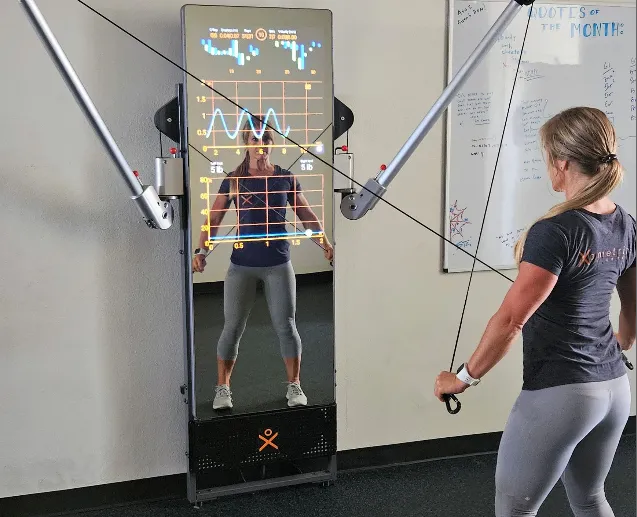
One example of this technology is the XO Trainer Resistance System, a system designed to provide dynamic resistance for strength and functional training.
 | Xo-Trainer Adaptive Resistance Strength System for Full Body Training | Fitness Machine with Real-Time Feedback and Progress Tracking View Product |
Adaptive resistance refers to resistance that changes as you move through an exercise. Traditional weights and many resistance bands provide the same tension throughout the entire motion. However, your muscles are not equally strong in every part of a movement.
For example, during exercises like squats, rows, or presses, certain points in the movement may feel easier while others are more difficult. Adaptive resistance systems respond to these changes by adjusting the tension during the exercise.
This helps maintain steady muscle engagement throughout the full range of motion. Instead of hitting a sticking point, the resistance shifts to match your strength during each phase of the movement. Adaptive resistance training is commonly used for:
Rather than forcing the body to adapt to fixed equipment, adaptive resistance equipment adjusts to the person using it.
The XO Trainer Resistance System brings adaptive resistance training into a flexible and efficient format. Instead of bulky machines or traditional weight stacks, the system creates resistance that responds to the user's movement and effort. This approach helps maintain controlled tension throughout the exercise, allowing movements to feel smoother and more natural.
Many functional strength exercises can be performed with adaptive resistance systems. Squats, lunges, rows, chest presses, rotational core exercises, and athletic conditioning drills are just a few examples.
| Xo-Trainer Adaptive Resistance Strength System for Full Body Training | Fitness Machine with Real-Time Feedback and Progress Tracking View Product |
Because resistance adjusts throughout the movement, these exercises can be modified for different strength levels and training goals. This makes the system useful for a wide range of users, from athletes to individuals working on recovery.
This type of training also allows coaches, trainers, and rehabilitation professionals to focus on movement quality while still building strength. By adjusting resistance during each repetition, the system helps maintain a consistent level of challenge throughout the exercise.
Adaptive resistance training offers several advantages compared to traditional strength equipment:
Because of these benefits, adaptive resistance training is becoming more popular in both fitness and rehabilitation settings.
Adaptive resistance systems like the XO Trainer can support many types of users:
As with any strength training equipment, it is important to follow the manufacturer’s instructions and begin with appropriate resistance levels while learning the system. Proper technique and guidance from a trainer or healthcare professional can help ensure exercises are performed safely and effectively.
Adaptive resistance training offers a modern way to build strength and improve movement. By adjusting resistance during each exercise, these systems help match the way the body naturally moves.
The XO Trainer Resistance System brings this technology into a versatile training tool. Whether used for athletic conditioning, rehabilitation programs, or general fitness, adaptive resistance equipment provides a flexible way to support strength and performance.

Megan Smith, PT, Executive Director of HR
Megan has been a part of Rehabmart since its inception nearly 20 years ago. For the past several years she has been enjoying her role as HR Director while maintaining her Physical Therapy license. When she isn't working on her next in-service or working to find a new team member, she enjoys her five children, helping those who have PT type ailments, baking, practicing yoga, and working out.