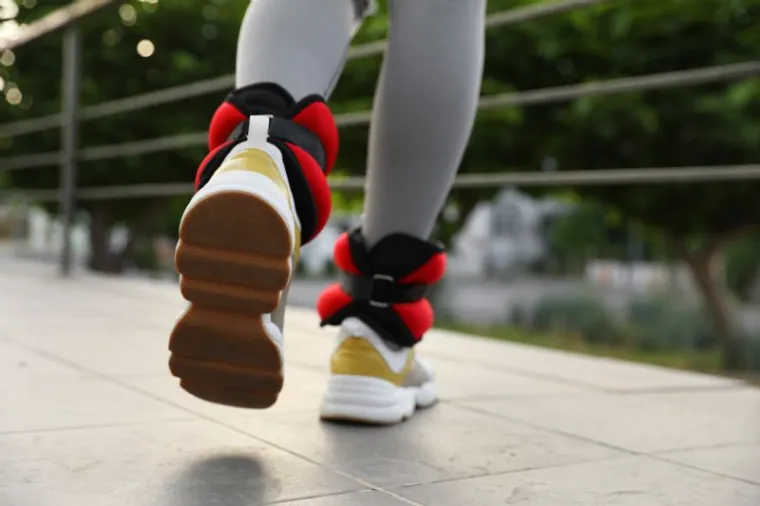
Adding light resistance during movement can make everyday activity feel a bit more challenging, and wearable weights are one way people do this without relying on large gym equipment. They can be worn on the ankles, wrists, or upper body while walking, exercising, or participating in therapy programs. When used intentionally, this added resistance helps the body work a little harder during familiar movements like walking or structured exercise routines.
When used on purpose, wearable weights can support modest strength and endurance goals. They work best as a supplement to regular physical activity, not as a replacement for structured strength training.
When used with purpose, wearable weights can add meaningful challenge to everyday movement without changing your routine.
Wearable weights work best when the goal is to add more challenge to movements you already do. They can increase the workload of low-impact activities, support gradual conditioning, and help make simple routines more productive.
Wearable weights work best when used with a clear purpose rather than worn all day. How they are used and how much weight is added both affect their effectiveness. Using the right amount of weight during the right activity helps increase effort without interfering with natural movement. When weight and timing are balanced, wearable weights can help produce steady, useful results.
For targeted lower-body resistance, adjustable ankle weights let you add just the right amount of weight for your strength level. They are great for walking, leg lifts, or rehabilitation exercises and make it easy to gradually increase intensity while keeping movements controlled.
 | Adjustable Ankle Weights for Strength and Recovery - Secure Cuff Design View Product |
Another option is the weighted fitness belt that adds resistance around your torso, helping engage core and upper-body muscles during walking or exercise. With 5 pounds of added weight, it can make your movements more challenging without affecting natural posture or gait.
.jpg&newwidth=365&maxheight=200 "Weighted Fitness Belt with 5 Pounds from Power WearHouse") | Weighted Fitness Belt with 5 Pounds from Power WearHouse View Product |
To get the most benefit while reducing risk, wearable weights should be used with clear limits and simple safety guidelines. What helps maximize effectiveness is to:
To stay safe and avoid unnecessary strain, it’s important to understand when and how not to use wearable weights. What can reduce effectiveness:
Wearable weights can make low-impact activities more productive without adding extra complexity. When they are used for shorter periods and with manageable weight, the added challenge can support gradual progress while movement stays natural.
Adding light resistance to familiar movements can make activity feel more purposeful without changing your entire routine. When used thoughtfully, wearable weights can help increase effort during walking or light exercise while still keeping movements natural and controlled. They are not meant to transform a routine overnight, but they can make everyday activity more effective over time. For many people, wearable weights work best as a small, strategic addition rather than the main focus of a movement plan.

Co-founder/CEO of Rehabmart, Pediatric Occupational Therapist, husband, and father. Passionate about connecting special needs kids with superb nutrition, sensory integration, and complementary health strategies. Excited about Rehabmart's mission to become the premier online educational platform which empowers caregivers by spotlighting innovative devices and interventions to achieve optimal patient response and recovery.







.jpg&maxheight=250&width=365&product_name=Weighted Fitness Belt with 5 Pounds from Power WearHouse "Weighted Fitness Belt with 5 Pounds from Power WearHouse")