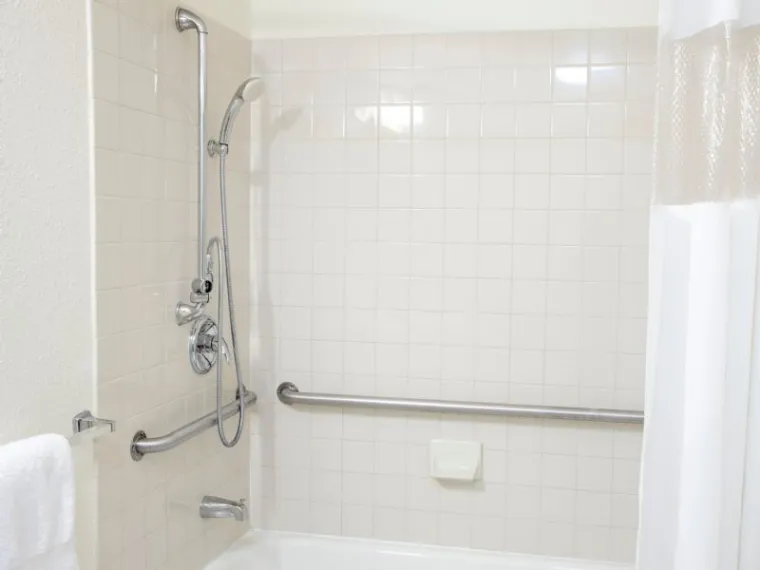
Bathrooms can be one of the most challenging areas of the home to move through safely, especially when floors are wet and space is limited. Simple additions like bathroom safety bars provide a stable handhold for stepping into the tub, rising from the toilet, or maintaining balance in tight areas. For older adults and individuals with mobility concerns, this added support can significantly reduce fall risk and improve confidence.
Because every bathroom layout is different and daily routines vary, placement matters. A bar positioned near the tub can assist with stepping in and out, while one beside the toilet can make sitting and standing more manageable. Some designs integrate discreetly into existing fixtures, offering support without altering the overall look of the room. Choosing bathroom safety bars that align with the movements used most often helps create a safer, more functional space.
Bathroom safety bars help people maintain balance while moving around the bathroom. Modern designs include folding, L-shaped, and hinged bars that help reduce twisting or reaching in awkward ways. Because wet surfaces can increase the risk of slipping, safety bars and other home modifications may reduce fall risk as part of broader home-safety measures.
Bathroom safety bars are helpful for anyone navigating changes in strength, flexibility, or mobility, especially during recovery or aging. Safety bars are especially useful for:
When comparing bathroom safety bars, we usually look at how well each design supports common movements and fits into the user’s daily routine. It also helps to consider how the bar interacts with the surrounding space, since bathrooms can vary in layout, available wall surfaces, and the way people naturally move through them.
Shower and tub areas are at higher risk because people need to step over the tub edge, turn on wet floors, and shift their weight while bathing. All of these movements require good balance.
L-shaped grab bars are especially helpful because they provide support in two directions, up and down, and side to side. A design like an L-shaped grab bar can help with getting in and out of the tub and with small position changes during bathing, making movement feel steadier on slippery surfaces.
 | Hand Held Shower with L Shaped Grab Bar, Seville Slide Bar by PULSE ShowerSpas | 500 lb. Weight Capacity, Stainless Steel, ADA Compliant View Product |
The toilet area often requires repeated sitting and standing, which can be difficult for people with joint pain or reduced strength. A support bar beside the toilet provides leverage for lowering and rising, helping reduce strain on the knees and back.
Multi-functional supports can add safety without making the space feel clinical. For example, the Invisia Wall Toilet Roll Holder offers discreet stability while keeping the bathroom looking familiar and uncluttered.
 | HealthCraft Invisia Wall Toilet Roll Holder with Integrated Support Rail View Product |
Some users need solid support for standing or transfers but also want to keep the bathroom clear when the bar isn’t in use. Hinged safety bars solve this by offering strong, weight-bearing support when needed and folding away afterward, which works well in smaller or shared bathrooms.
The Hinged Folding Wall Mounted Grab Bar provides steady assistance for sit-to-stand movements and then folds neatly against the wall, helping keep walkways open and uncluttered.
 | Hinged Folding Wall Mounted Grab Bar with SafetyGrip Technology from Hartmobility View Product |
For users who need support in several areas of the bathroom, a coordinated safety system helps make movement smoother and more predictable, reducing sudden shifts in posture. These systems combine multiple rails placed strategically near the shower, toilet, and sink.
A setup like the HartMobility Bathroom Safety Package creates a well-organized, easy-to-navigate space, ideal for people with higher fall risk or more complex mobility needs.
 | HartMobility Grab Bar Packages for Bathroom Safety View Product |
Some bathroom safety bars combine stability with everyday storage or fixtures, helping reduce bending, reaching, and turning, common causes of falls in the bathroom.
A product like the Grab Bar With Shelf keeps essentials close at hand while giving a secure surface to hold during showering.
 | Grab Bar with Shelf for Shower, ErgoCornerBar by PULSE ShowerSpas | ADA Compliant, Stainless Steel, Ergonomic Soft Grip View Product |
Most bathroom safety bars are designed for straightforward installation. Fixed bars typically require wall studs for secure mounting, while some models offer adhesive or suction options for temporary use. Hinged or folding bars may need slightly more effort, but instructions are usually clear. With proper tools and guidance, installing safety bars can be manageable for homeowners or professionals, ensuring strong support for daily use.
Grab bars should be positioned where users need the most support. Common areas include beside the toilet for sit-to-stand movements, inside showers or tubs for safe entry and exit, and near sinks for balance during grooming. The height and orientation can be adjusted to suit individual needs. L-shaped or angled bars are ideal for areas requiring support in more than one direction.
Many grab bars are built to hold a person’s full weight safely, especially fixed, hinged, or folding models designed for transfers. Always check the product’s weight rating and installation requirements. Multi-functional bars or bars integrated with shelves may also provide strong support while offering convenience. Proper installation on a solid surface is essential for maximum stability and safety.
Look for corrosion-resistant materials like stainless steel or powder-coated metals. Textured or non-slip grips improve security, especially in wet areas. Durable finishes help the bar maintain strength over time, even with daily exposure to water. Choosing the right material ensures long-lasting support and reduces the chance of slipping, making the bathroom safer for anyone with limited strength or balance issues.
Yes. Hinged or folding bars are ideal for compact bathrooms because they can be folded against the wall when not in use. Multi-rail systems and coordinated setups allow support at multiple points without cluttering the space. Proper planning ensures safety without sacrificing mobility or convenience, making the bathroom accessible for everyone, including those with limited space or shared use.
Adding the right supports can make a bathroom feel safer and easier to navigate, particularly in areas where surfaces may be wet or slippery. With properly placed bathroom safety rails, everyday movements such as stepping into the shower or rising from the toilet can become more stable and manageable. When selecting the best setup for your space, consider your layout, mobility needs, and installation preferences. If you are unsure which option is most appropriate, a doctor or home safety specialist can provide guidance tailored to your situation.

Co-Founder of Rehabmart and an Occupational Therapist since 1993. Mike has spent his professional career working in multiple areas of Occupational Therapy, including pediatrics, geriatrics, hand therapy, ergonomics and inpatient / outpatient rehabilitation. Mike enjoys writing articles that help people solve complex therapeutic problems and make better product choices.