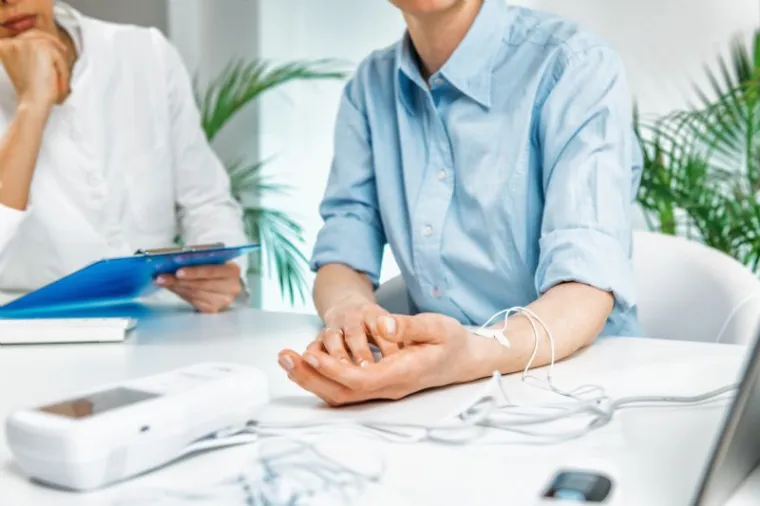
Biofeedback machines are innovative therapeutic tools that help individuals gain control over physiological processes traditionally considered involuntary, like heart rate, muscle tension, and brain wave activity. These devices are increasingly used in rehabilitation, pain management, mental health therapy, and wellness programs to enhance self-regulation, reduce symptoms, and improve quality of life. Biofeedback is a powerful, non-invasive approach that can complement conventional treatments across a wide range of conditions.
A biofeedback machine is a therapeutic device that measures physiological functions, such as heart rate, muscle activity, skin conductivity, or neural feedback, and translates them into real-time visual or auditory feedback. These tools help individuals consciously control bodily processes typically regulated by the autonomic nervous system. Clinically, they are used to support pain management, muscle re-education, neurological rehabilitation, and emotional regulation.
Biofeedback machines are frequently incorporated into treatment programs for patients with dysphagia, stress-related disorders, chronic pain, and neurological impairments. These devices promote self-regulation, enhance proprioceptive awareness, and accelerate recovery through non-invasive, personalized feedback.
Used to help individuals gain voluntary control over involuntary physiological processes such as heart rate, muscle tension, skin temperature, brain wave activity, and more. These machines provide real-time feedback on these biological functions, allowing users to improve physical and mental health conditions such as chronic pain, anxiety, stress, muscle weakness, and neurological disorders.
There are several types of biofeedback machines, each targeting a specific physiological function:
Each type of device is chosen based on the clinical goal, such as neuromuscular training, stress regulation, or cognitive performance.
 | Dysphagia Treatment Device - VitalStim Plus Electrotherapy and sEMG Biofeedback System by DJO Global View Product |
The VitalStim Plus is a clinical-grade biofeedback machine designed for patients with swallowing disorders. It offers NMES (neuromuscular electrical stimulation) alongside surface electromyography (sEMG) for visual biofeedback. Used primarily in speech and occupational therapy, it supports both muscle strengthening and coordination during swallowing.
Best For: Patients with neurological dysphagia post-stroke or TBI.
.jpeg&newwidth=365&maxheight=200 "Pulsetto Vagus Nerve Stimulator") | Pulsetto Vagus Nerve Stimulator View Product |
The Pulsetto is a wearable vagus nerve stimulator that delivers non-invasive electrical impulses to support emotional regulation, stress reduction, and improved sleep. It uses neuromodulation through the auricular branch of the vagus nerve, a technique often integrated into functional neurology and autonomic nervous system regulation programs.
Best For: Autonomic regulation and emotional resilience training.
The iReliev compact unit merges TENS (Transcutaneous Electrical Nerve Stimulation) and EMS (Electrical Muscle Stimulation) with wireless operation. It provides biofeedback in the form of adjustable intensity patterns and treatment duration. Ideal for home-based pain relief and muscle recovery, this unit helps manage chronic pain and rebuild strength post-injury.
Best For: Athletes, active individuals, and home rehab patients.
 | Vagustim Portable Vagus Nerve Stimulation Device for Stress Relief, Sleep Support, and Digestive Wellness View Product |
The Vagustim Vagus Nerve Stimulation Device delivers transcutaneous stimulation via the ear, targeting vagus nerve pathways. It includes multiple stimulation intensities and modes for relaxation, sleep, and cognitive focus. Clients find this especially valuable for patients with anxiety, ADHD, and sleep disturbances.
Best For: Behavioral regulation and cognitive support in pediatric and adult therapy.
 | Fitness Activity Tracker with Heart Rate, Sleep Monitoring, and App Sync by DMI Ziwa View Product |
This Wearable Heart Rate Monitor supports HRV (heart rate variability) biofeedback therapy, a cornerstone of stress management programs. With Bluetooth connectivity and multi-site wearability (chest, arm, or wrist), it integrates seamlessly with mobile apps to monitor real-time physiological stress markers.
Best For: Patients working on stress awareness and cardiovascular resilience.
 | Neuro 4 Transcranial Intranasal Brain Photobiomodulation Device, Available in 3 Models by Vielight View Product |
The Neuro 4 Transcranial Intranasal Brain Photobiomodulation Device by Vielight uses gentle near-infrared light to help support brain health and mental balance. Each session lasts about 20 minutes and delivers safe light waves through the scalp and nasal cavity, no heat, no discomfort. The device works on a cellular level, helping stimulate activity in the brain that may lead to clearer thinking, better energy, and more restful sleep over time.
There are three versions available, depending on your goals. The Alpha model promotes relaxation and better sleep patterns, while the Gamma version focuses on alertness, memory, and concentration. The Duo combines both for round-the-clock support. The adjustable, wrap-around design keeps it comfortable during use, making it easy to fit into a daily routine.
Best For: People looking for a noninvasive, at-home option to boost focus, energy, or sleep quality.
 | AxIT Strength Assessment System for Rehab, Sports, and Performance by Strength by Numbers View Product |
The AxIT Strength Assessment System measures strength, power, balance, and range of motion across more than 125 tests. It uses Stomp-IT force plates, a Push-IT dynamometer, and a Pull-IT device, all connected wirelessly to simple software that records and reports results. The system is portable, requires no subscription, and gives instant feedback for clinicians, coaches, and therapists.
Best For: Rehab tracking, sports performance testing, and clinical use
 | Galvanic Skin Response Device for At-Home Biofeedback Monitoring View Product |
This Galvanic Skin Response Sensor tracks electrodermal activity (EDA), which is closely tied to emotional arousal and stress response. Used often in psychotherapy, mindfulness training, and autonomic regulation, this unit allows patients to visually monitor and regulate their physiological state.
Best For: Behavioral health therapy and stress management programs.
Yes, biofeedback machines are considered effective for managing a variety of health conditions when used under professional supervision or with proper instruction. Clinical studies support their use in treating migraines, chronic pain, incontinence, anxiety, and muscle re-education. Devices like EMG biofeedback units and heart rate variability monitors have demonstrated measurable outcomes in rehabilitation and stress modulation programs.
Yes, many biofeedback machines are designed for home use and offer user-friendly interfaces. Devices such as TENS/EMS units, HRV monitors, and vagus nerve stimulators are commonly prescribed for home therapy under professional guidance. These devices empower users to track their progress and practice therapeutic exercises in between clinical visits.
Always consult with a licensed healthcare provider before beginning any new biofeedback therapy at home.
Biofeedback machines are generally considered safe and non-invasive when used as directed. However, they should be used with caution in individuals with implanted medical devices like pacemakers or those with seizure disorders, unless cleared by a physician. Proper training or supervision by a licensed healthcare provider is essential for optimal safety and effectiveness.
Biofeedback machines are increasingly integral to therapy for wellness, emotional regulation, pain management, and rehabilitation. From clinical units for neuromuscular stimulation to home-based and wearable tools, each device offers targeted features for specific therapeutic goals. Choosing the best biofeedback machine depends on the intended physiological target, whether muscular, neural, autonomic, or psychological.

Co-founder/CEO of Rehabmart, Pediatric Occupational Therapist, husband, and father. Passionate about connecting special needs kids with superb nutrition, sensory integration, and complementary health strategies. Excited about Rehabmart's mission to become the premier online educational platform which empowers caregivers by spotlighting innovative devices and interventions to achieve optimal patient response and recovery.





.jpeg&maxheight=250&width=365&product_name=Pulsetto Vagus Nerve Stimulator "Pulsetto Vagus Nerve Stimulator")

.png&maxheight=250&width=365&product_name=Truvaga Plus Handheld Vagus Nerve Stimulator for Stress Relief, Better Sleep, and Enhanced Focus - Non-Invasive, Rechargeable "Truvaga Plus Handheld Vagus Nerve Stimulator for Stress Relief, Better Sleep, and Enhanced Focus - Non-Invasive, Rechargeable")


