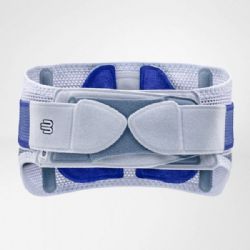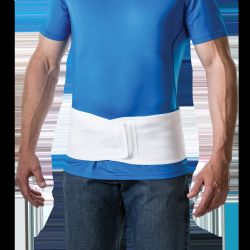
We’ve worked with hundreds of patients navigating the frustrating, radiating discomfort of sciatica. This type of nerve pain can be debilitating—often starting in the lower back and shooting down one leg. While physical therapy, posture re-education, and core strengthening are essential long-term strategies, the right back brace can make a huge difference in short-term relief and function.
Back braces for sciatica help by:
The goal is to reduce nerve root compression—often the culprit behind that sharp, radiating pain. Research supports the short-term use of bracing for patients with acute sciatica or spinal instability, particularly when used in conjunction with active rehab strategies.
These braces are ideal for:
We recommend this brace for patients who need firm immobilization of the lower back. It uses a Perforated adjustable lumbar support shell providing targeted back stabilization.
Clinically, we’ve seen this brace offer remarkable relief for patients immediately after lumbar spine surgery or during acute nerve flare-ups.
 | Lumbar Support Back Orthosis - Spinova Immo Plus Classic View Product |
Perfect for:
This brace is a go-to for patients needing compression and posture support during work or walking. The mechanical pulley system allows for one-handed tightening—great for older adults or anyone with arthritis.
It’s our top recommendation for people with recurring sciatica who need support during long periods of sitting or light activity.
 | Adjustable Back Brace with Low Profile for Spine Comfort by United Ortho View Product |
Best for:
We’ve used this brace with many postpartum patients and athletes who report sciatic pain due to pelvic asymmetry. It provides targeted compression just above the hip bones, stabilizing the sacroiliac joints.
It’s surprisingly effective when the source of sciatica is lower than the spine—more pelvic than lumbar.
 | SI Belt Sacroiliac Joint Support | SI-LOC Back Brace by OPTP View Product |
Best for:
This combination brace gives lumbar support while offering abdominal lift, which helps redistribute intra-abdominal pressure—relieving strain on the lumbar discs.
We often recommend this for patients with chronic low back pain and accompanying postural issues.
 | Stabilizing Orthosis for Lumbar & Lower Thoracic Spine Support - LumboLoc Unload View Product |
Ideal for:
This brace has a contoured back panel with suspenders and adjustable elastic side pulls. It allows for mobility while still supporting the lumbar spine—perfect for people who can’t afford to lose functional movement at work.
Many patients in physically demanding jobs report reduced sciatica symptoms and improved endurance with this brace.
 | DeRoyal Workers Lower Back Support Posture Brace Belt View Product |
Disc bulge, SI joint dysfunction, and posture problems may all require different brace types.
Rigid braces are great for rest and recovery, while work braces suit physically demanding roles.
Long-term use should be discussed with a PT to avoid muscle deconditioning.
Breathable materials and low-profile designs are key if you’re wearing it under clothing.
No, but it can significantly reduce symptoms while you undergo rehab or lifestyle changes. The goal is to offload pressure, not replace physical therapy.
Typically 2–4 hours a day, especially during aggravating activities. Prolonged use should always be monitored by your provider.
Usually not. Exceptions include post-surgical cases or custom-fit braces prescribed by your doctor.
For sitting, a semi-rigid lumbar compression brace is often best—it supports spinal alignment and relieves pressure from prolonged flexion. Look for braces with adjustable tension and breathable material to ensure comfort during extended wear, especially for office work or driving.
Look for adjustability, targeted support (lumbar or SI), breathable materials, and the right level of rigidity for your condition—rigid for acute pain, and flexible for daily support. Clinical input is essential: a therapist can identify whether your sciatica is disc-based, postural, or pelvic and guide you to the right brace style.
The best brace for sciatica nerve pains will depend on what’s causing your symptoms, how severe they are, and your activity level. We’ve seen back bracing play a powerful role in restoring comfort, reducing inflammation, and helping patients stay active during their recovery.
Remember: a brace should be part of a broader strategy including core strengthening, ergonomic support, and posture retraining.

Megan has been a part of Rehabmart since its inception nearly 20 years ago. For the past several years she has been enjoying her role as HR Director while maintaining her Physical Therapy license. When she isn't working on her next in-service or working to find a new team member, she enjoys her five children, helping those who have PT type ailments, baking, practicing yoga, and working out.