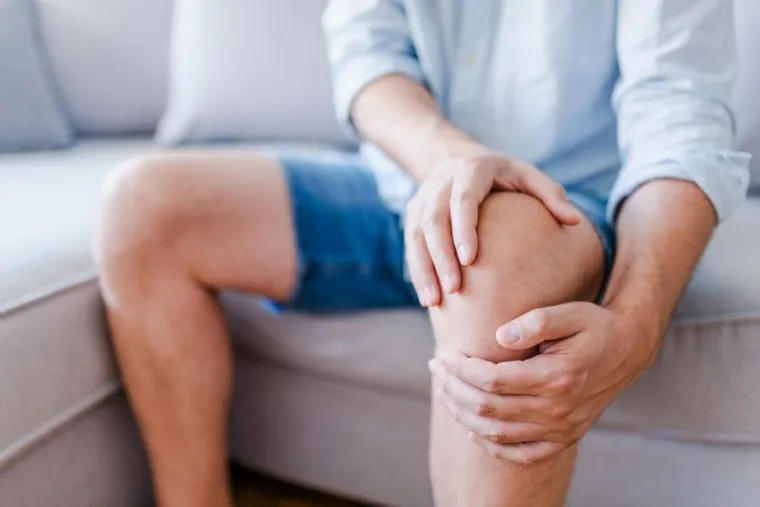
Knee massagers have become essential tools for individuals managing chronic joint pain, recovering from surgery, or seeking non-invasive relief from arthritis and inflammation. These devices use targeted modalities such as heat, vibration, air compression, and red light therapy to improve circulation, reduce stiffness, and support healing. Clinically recommended and increasingly used in home rehabilitation, the right knee massager can significantly enhance mobility and quality of life.
A knee massager is a therapeutic device that uses one or more modalities, such as heat, vibration, air compression, or red light therapy, to relieve joint pain and inflammation. These devices are used at home to extend the benefits of clinical therapy, especially for people recovering from surgery, managing osteoarthritis, or dealing with muscular overuse.
Localized massage and heat therapy have been shown to improve pain and mobility in individuals with degenerative joint disease. When prescribed and used properly, these tools can safely reduce symptoms between formal therapy sessions.
 | Hyperice Hot and Cold Therapy Knee Wrap for Pain Relief and Recovery - Reusable, One Size Fits Most View Product |
This device delivers targeted hot and cold therapy directly to the knee. The adjustable neoprene wrap provides customizable compression and a secure, comfortable fit to help reduce stiffness, swelling, and everyday discomfort. A standout feature of this device is its five adjustable levels of heat, cold, and compression, allowing users to personalize their therapy for optimal relief.
Best For: Athletes and active individuals with widespread muscle tightness.
 | Theragun PRO Plus Percussive Massager with Heat and Light Therapy by Therabody View Product |
The Theragun PRO Plus is one of the most effective tools we’ve tested for easing muscle tension and improving flexibility at home. It delivers five clinically proven therapy options in one device: deep percussive massage, heat therapy, vibration therapy, near-infrared LED light therapy, and an optional cold therapy attachment. A built-in biometric sensor customizes each session to your recovery needs.
Best For: Athletes, active adults, and anyone seeking professional-grade muscle recovery at home.
 | Comforting Knee Massager - PhysioFlex 3-in-1 Joint Massager View Product |
This massager uses air compression and heat to help reduce swelling and promote healing. We often recommend it for patients recovering from ACL or meniscus surgery in the early post-op phase.
Best For: Post-surgical patients with inflammation and pain.
 | BioRecover Red Light Therapy Knee Brace for Pain Relief and Inflammation Reduction by Lifepro View Product |
Red light therapy is emerging as a trusted non-invasive method to reduce chronic inflammation. Unlike vibration or compression, RLT does not place pressure on sensitive tissue, making it a gentle option for people who struggle with stiffness or long-standing swelling.
Best For: Individuals with chronic knee inflammation or tendon pain.
Yes. Devices using heat, compression, vibration, or red light therapy are clinically shown to reduce pain, improve circulation, and promote healing when used as directed.
The StellarKnee Heated Massager is my top pick for arthritis. It combines heat and vibration, which are particularly effective for reducing stiffness and improving mobility.
Yes, but only after your surgeon or therapist approves. Devices like the PhysioFlex provide gentle compression and warmth, ideal for early post-op use.
Yes. Compression-based devices help with lymphatic drainage and reduce fluid buildup, which can be especially helpful after injury or surgery.
Most people can use a knee massager for 15–30 minutes, 1–2 times per day. Always follow usage instructions and consult a provider for your specific case.
Possible side effects include mild redness or irritation. People with neuropathy or certain medical implants should consult their doctor before use.
Red light devices like the Hooga are better for chronic inflammation and healing, while traditional massagers are better for acute pain and muscle tightness.
Yes. Athletes benefit from percussive massagers like Vive to release tension in the quads and hamstrings, supporting the knee joint indirectly.
Knee massagers offer a practical, non-invasive solution for managing pain, reducing inflammation, and supporting recovery across a wide range of clinical needs. Whether the goal is to relieve arthritis-related stiffness, promote healing after surgery, or reduce muscle fatigue from athletic activity, there is a device specifically suited for each condition.
When selecting a knee massager, it is essential to consider individual health goals, comfort preferences, and any underlying medical conditions. For optimal results, users should consult a healthcare provider to ensure compatibility with their treatment plan and to maximize therapeutic benefits.

Co-founder/CEO of Rehabmart, Pediatric Occupational Therapist, husband, and father. Passionate about connecting special needs kids with superb nutrition, sensory integration, and complementary health strategies. Excited about Rehabmart's mission to become the premier online educational platform which empowers caregivers by spotlighting innovative devices and interventions to achieve optimal patient response and recovery.