What is Red Light Therapy?
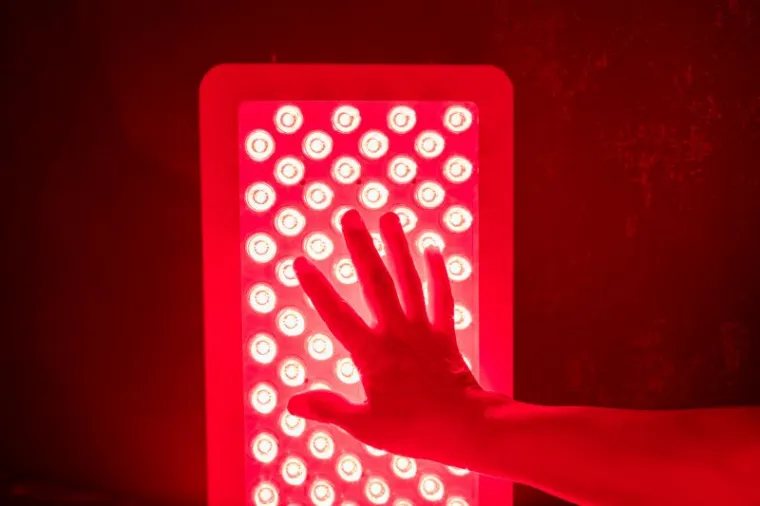
Red Light Therapy (RLT) is a non-invasive treatment that uses low-level red and near-infrared light to promote healing, reduce inflammation, and enhance cellular function. This therapy is widely recognized for its ability to improve pain management, skin rejuvenation, muscle recovery, and overall health.
What are the benefits of using a red light therapy panel?
Red light therapy panels use low-level red and near-infrared light to stimulate cellular function, leading to a variety of benefits, including:
- Pain relief for conditions like arthritis, fibromyalgia, and muscle soreness.
- Improved skin health, reducing wrinkles, acne, and scars.
- Faster muscle recovery and reduced inflammation.
- Enhanced circulation and wound healing.
- Support for hair growth in individuals with hair thinning.
What should I look for when buying a red light therapy panel?
When choosing the best red light therapy panel, consider the following:
- Wavelengths: At a minimum, look for a panel that includes 660-670 nm for skin-level support and 830-850 nm for deeper tissue applications. Many newer systems now go beyond these core ranges, offering five to seven wavelengths in a single unit for broader coverage. These multi-wavelength panels can include blue light (480 nm) for surface skin care, red light bands (630 nm and 660 nm) for collagen support and wound healing, near-infrared wavelengths (810 nm, 830 nm, 850 nm) for different tissue depths, and short-wave infrared (1,064 nm) for the deepest penetration.
- Irradiance (Intensity): Look for a power output of at least 100 mW/cm² for effective penetration.
- Treatment Area: Panels vary in size, from handheld devices for localized pain to full-body panels for maximum coverage.
- FDA Clearance & Safety Certifications: Choose devices that meet medical safety standards.
- Portability & Design: Compact units are best for targeted treatments, while large panels offer full-body coverage.
Clinical Applications for Red Light Therapy Panels
Red light therapy panels are beneficial in various clinical and home settings. Below are some key applications along with the best product choices for each.
1. Chronic Pain and Inflammation
- Conditions Treated: Arthritis, fibromyalgia, joint pain, and back pain.
- Why Use RLT?: Studies show that red and near-infrared light penetrates deep into tissues, reducing inflammation and promoting cellular repair.
Pros:
- Large full-body coverage for efficient treatment.
- Features 660nm red light and 850nm near-infrared light, ideal for deep tissue penetration.
- High irradiance for shorter treatment sessions.
- Modular design, allowing expansion with other Hooga panels.
- Cooling fans to prevent overheating during prolonged use.
Cons:
- Bulky size, requiring dedicated space for setup.
- Higher price point than smaller panels.
- Not as portable as handheld or compact options.
2. Muscle Recovery and Performance
- Conditions Treated: Muscle fatigue, sports injuries, and delayed onset muscle soreness (DOMS).
- Why Use RLT?: Increases mitochondrial function and ATP production, accelerating muscle healing and reducing oxidative stress.
Pros:
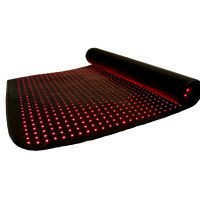
- Flexible, lightweight pad design, allowing treatment while lying down or wrapping around the body.
- Medical-grade LEDs provide targeted and uniform coverage.
- Portable and foldable, making it easy to store and transport.
- Offers both red and near-infrared light for full-body treatment.
- Comfortable for long treatment sessions compared to rigid panels.
Cons:
- Less intensity compared to rigid panels.
- May not provide full-body coverage in a single session, requiring repositioning.
- Durability concerns with frequent folding and bending over time.
3. Skin Rejuvenation & Wound Healing
- Conditions Treated: Acne, wrinkles, scars, psoriasis, and eczema.
- Why Use RLT?: Stimulates collagen production and enhances skin repair, making it a popular choice in dermatology.
Pros:
- Specifically designed for skincare and beauty treatments.
- Features low EMF emissions, ensuring safety.
- Provides customized wavelengths for collagen production and anti-aging effects.
- Sleek, modern design, ideal for home or clinic use.
- Compact and lightweight, making it easy to move and store.
Cons:
- Smaller coverage area, requiring more treatment time for larger body parts.
- Not as effective for deep tissue healing compared to larger panels.
- Higher price for beauty-focused features compared to general therapy panels.
4. Neuropathy and Nerve Pain
- Conditions Treated: Diabetic neuropathy, carpal tunnel syndrome, sciatic nerve pain.
- Why Use RLT?: Improves circulation and nerve function, reducing pain and tingling.
Pros:
- Ideal for localized pain relief and neuropathy.
- Affordable compared to larger panels.
- Compact and lightweight, easy to use at home or while traveling.
- Adjustable intensity settings for customized treatment.
- No assembly is required, making it user-friendly.
Cons:
- Limited treatment area, not suitable for full-body therapy.
- Lower power output compared to larger panel models.
- May require multiple treatment sessions for larger areas.
5. Localized Treatment for Small Areas
- Conditions Treated: Facial rejuvenation, targeted joint pain relief.
- Why Use RLT?: Ideal for spot treatments on small areas such as the face, hands, or joints.
Pros:
- Mid-sized panel, offering a balance between portability and coverage.
- Provides 660nm and 850nm wavelengths for skin and muscle treatment.
- Budget-friendly option compared to full-body panels.
- Compact and lightweight, making it easy to use anywhere.
- Built-in cooling system to prevent overheating.
Cons:
- Smaller coverage area, requiring more repositioning for full-body use.
- Not as powerful as high-end full-body therapy panels.
- Limited additional features compared to premium models.
6. Multi-Condition & Whole Family Use
- Conditions Treated: Chronic pain, skin irregularities and blemishes, sleep disruptions and insomnia, and other medical needs.
- Why Use RLT?: Ideal for full-body use, with multiple settings for different treatment needs, use cases, and users.
Pros:
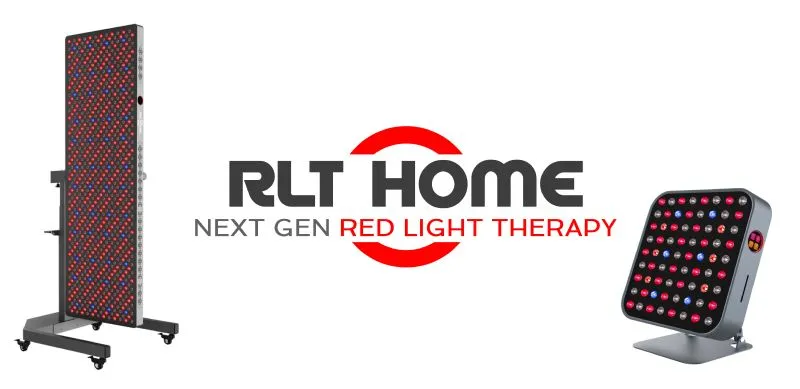
- Tabletop and full-body panels, offering comprehensive treatment for all body types.
- Seven wavelengths (480 nm, 630 nm, 660 nm, 810 nm, 830 nm, 850 nm, 1,064 nm).
- Pre-built modes for skin, pain, sleep, and more.
- Independently tested above 100 mW/cm2.
Cons:
- Higher price point reflecting advanced features and broader capabilities.
Additional FAQs
What wavelength is best for red light therapy?
The most effective wavelengths for red light therapy fall within these ranges:
- 660-670 nm (Red Light): Best for surface-level treatments such as skin rejuvenation, acne reduction, and wound healing.
- 830-850 nm (Near-Infrared Light): Penetrates deeper into muscles, joints, and tissues to relieve pain and inflammation.
- 1,064 nm (Short-Wave Infrared Light): Offers the deepest penetration to further target muscles, joints, and tissues.
How long should I use a red light therapy panel?
Treatment duration depends on the irradiance (light intensity) of the device and the targeted condition. A general guideline is:
- Skin and facial treatments: 10-20 minutes per session, 3-5 times per week.
- Muscle recovery and pain relief: 15-30 minutes per session, 4-6 times per week.
- Hair growth therapy: 10-20 minutes per session, 4-5 times per week.
Always follow the manufacturer’s recommendations and consult a healthcare professional for personalized treatment guidance.
Are red light therapy panels safe to use?
Yes, red light therapy panels are generally safe, non-invasive, and free of harmful UV rays. However, consider these safety precautions:
- Avoid direct eye exposure unless wearing protective goggles.
- Check for FDA clearance to ensure safety and effectiveness.
- Follow recommended treatment times to prevent skin irritation.
- Consult with a doctor if you have photosensitivity or take medications that increase light sensitivity.
Can red light therapy help with pain and inflammation?
Yes, clinical studies support red light therapy for pain management. It works by:
- Reducing inflammation in joints and muscles.
- Increasing blood circulation to speed up healing.
- Stimulating cellular repair by enhancing mitochondrial function.
It is commonly used for arthritis, back pain, nerve pain, fibromyalgia, and sports injuries.
Do dermatologists recommend red light therapy for skin?
Yes, dermatologists frequently use and recommend red light therapy for:
- Acne and inflammation by reducing oil production and bacteria.
- Anti-aging and collagen production to reduce wrinkles and fine lines.
- Scar and wound healing by promoting tissue regeneration.
Does red light therapy really work for hair growth?
Yes, red light therapy has been clinically tested for hair growth stimulation. It works by:
- Increasing blood flow to hair follicles.
- Reactivating dormant follicles, promoting new hair growth.
- Reducing inflammation that can cause hair loss.
Can I overuse red light therapy?
Yes, while red light therapy is safe, overuse can cause mild side effects such as:
- Temporary skin redness or irritation.
- Eye discomfort if not wearing protective goggles.
- Headaches from prolonged exposure to bright light.
To avoid issues, follow recommended session durations and avoid excessive exposure.
How soon can I see results from red light therapy?
Results depend on the condition being treated:
- Skin improvements (acne, wrinkles, scars): 3-6 weeks of consistent use.
- Pain relief (arthritis, muscle soreness, inflammation): Immediate relief in some cases, significant improvement within 4-8 weeks.
- Hair growth stimulation: Noticeable changes in 3-6 months.
Final Thoughts
Red light therapy panels offer a safe, non-invasive, and effective solution for pain relief, skin health, muscle recovery, and general wellness. When selecting a red light therapy panel, consider factors such as wavelength range, light intensity, treatment area size, and safety certifications to ensure you get the best results.
Where to Buy?
Explore a wide range of FDA-cleared red light therapy panels at Rehabmart!
References
- National Library of Medicine: Anti-inflammatory effects of photobiomodulation
- National Library of Medicine: Photobiomodulation in human muscle tissue
- Rehabmart’s Red Light Therapy Panels Category
Author:
Megan Smith, PT
Megan has been a part of Rehabmart since its inception nearly 20 years ago. For the past several years she has been enjoying her role as HR Director while maintaining her Physical Therapy license. When she isn't working on her next in-service or working to find a new team member, she enjoys her five children, helping those who have PT type ailments, baking, practicing yoga, and working out.
Meet all of our experts here!