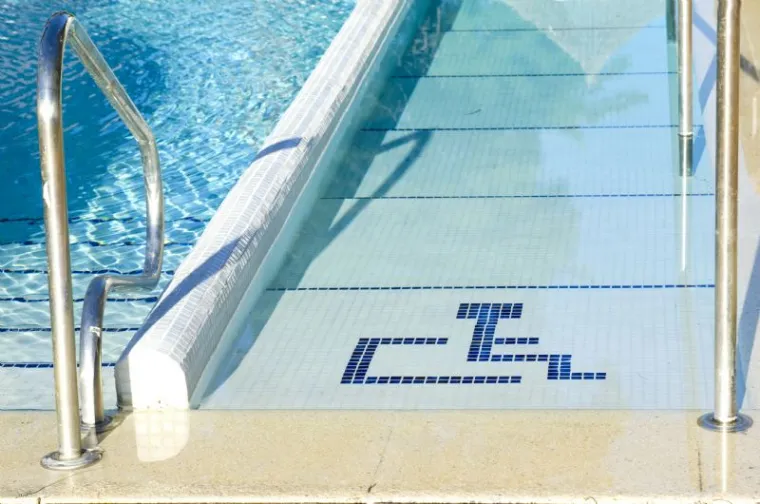
We’ve seen firsthand how the right water wheelchair can transform a client’s experience, whether in hydrotherapy, recreational swimming, or even beach outings. Water wheelchairs aren’t just transport chairs for pools; they’re essential tools for mobility, independence, and dignity in water environments.
In this guide, we share the top five water wheelchairs we’ve used and recommended over the years. These chairs differ in design, material, and function, and the best choice depends on whether you're supporting a client in a clinical pool, beach program, or private home.
A water wheelchair is a mobility device designed to transport individuals into aquatic environments, such as swimming pools, hydrotherapy tanks, or beaches. Unlike standard wheelchairs, these are made with rust-resistant materials like PVC, and feature waterproof wheels and drainage seats. They’re typically used in clinical rehab, community aquatic programs, and accessible beach locations.
There are four primary types of water wheelchairs:
Each type has unique advantages depending on clinical use, caregiver needs, and environment.
Look for:
Always conduct a safety checklist before recommending a model for any client.
A water wheelchair is used to assist individuals with mobility impairments in safely entering and exiting aquatic environments such as swimming pools, hydrotherapy tubs, and some beaches. These wheelchairs are made from rust-resistant materials and designed for full or partial submersion.
 | Aqua Creek Pool Access PVC Wheelchairs View Product |
This PVC-framed wheelchair is our most-recommended model for rehab centers and home pools. It’s simple, durable, and reliable, especially for clients with decent trunk control who need support getting to and from the water.
_(1).jpg&newwidth=365&maxheight=200 "Lightweight Pool Wheelchair with Optional Sliding Footrest") | Lightweight Pool Wheelchair with Optional Sliding Footrest View Product |
This model is our top pick for acute inpatient and outpatient rehab programs. The sliding footrest is an excellent touch for therapists assisting with dependent transfers, and the stainless steel front wheels hold up to rigorous sanitization protocols.
.jpg&newwidth=365&maxheight=200 "AquaTrek Pool Wheelchair") | AquaTrek Pool Wheelchair View Product |
We see the AquaTrek used in municipal pool programs and YMCAs. It’s tough, wide, and easy to clean. The molded-plastic design means no rust, and it’s a great choice when you need a workhorse chair for high-volume use.
 | Pool Wheelchair - Debug Aquatic View Product |
This is one of the most versatile water wheelchairs we’ve used. It doubles as a shower chair and can roll directly into the pool area. It’s perfect for clients who need both hygiene and aquatic access with the same equipment.
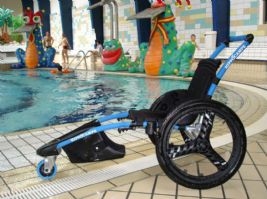 | Hippocampe Pool Access Wheelchair by Vipamat View Product |
When working with clients who prefer the beach, this is our go-to water wheelchair. The Hippocampe floats, navigates sand, and works in shallow water. It's incredibly light and built for independence.
Yes, a water wheelchair can go into a pool if it is specifically designed for that purpose. These chairs are built with waterproof materials and are safe for immersion. Standard wheelchairs should never be used for this function, as they may corrode and pose safety risks.
In some cases, yes. Insurance coverage is possible if the wheelchair is considered medically necessary. Clients should consult their insurance provider, and healthcare professionals should provide appropriate documentation to justify medical need.
If you’re supporting someone in aquatic therapy or recreational swimming, selecting the right water wheelchair isn’t just about mobility; it’s about restoring dignity and participation.
Here’s how we broke down our recommendations:
As always, consult a qualified therapist to ensure the chosen chair meets the user’s mobility level, support needs, and environmental context.

Co-Founder of Rehabmart and an Occupational Therapist since 1993. Mike has spent his professional career working in multiple areas of Occupational Therapy, including pediatrics, geriatrics, hand therapy, ergonomics and inpatient / outpatient rehabilitation. Mike enjoys writing articles that help people solve complex therapeutic problems and make better product choices.





.jpg&maxheight=250&width=365&product_name=Pool Wheelchair with Mesh Sling Seat "Pool Wheelchair with Mesh Sling Seat")

.jpg&maxheight=250&width=365&product_name=AquaTrek Pool Wheelchair "AquaTrek Pool Wheelchair")


.jpg&maxheight=250&width=365&product_name=Deluxe Shower Chair with Solid Soft Seat "Deluxe Shower Chair with Solid Soft Seat")
_(1).jpg&maxheight=250&width=365&product_name=Lightweight Pool Wheelchair with Optional Sliding Footrest "Lightweight Pool Wheelchair with Optional Sliding Footrest")