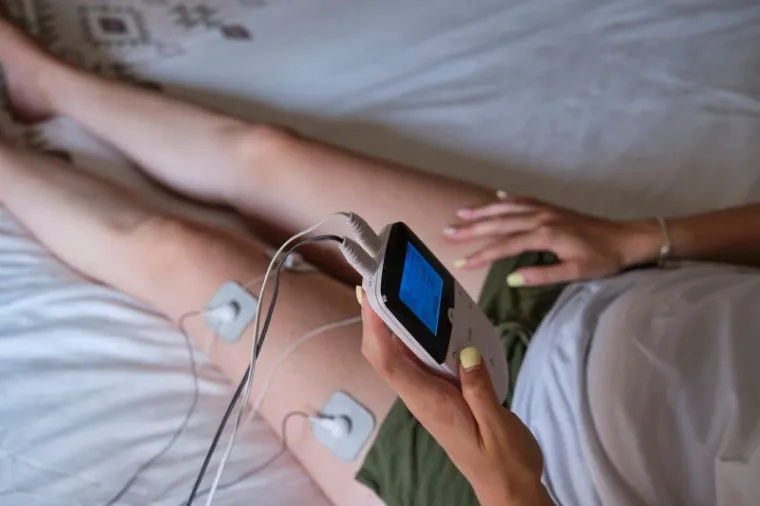
TENS units are widely used for pain relief because they deliver gentle electrical pulses that help calm sore muscles and nerves. Many people keep one at home for quick, noninvasive support during flare-ups or after activity. With so many models available at different price points, it’s easy to find a device that fits daily routines. Some wonder if it’s possible to overuse a TENS unit. While the device is generally safe, overuse can still lead to irritation.
Most TENS units have built-in timers to help prevent long, continuous sessions. Using the device for too long or setting it too high can cause the skin to feel sensitive or tired afterward. Repeatedly placing pads on the same exact spot without breaks can also lead to irritation. TENS therapy should feel like gentle tapping or buzzing, not painful or overwhelming. If discomfort appears, it is best to pause, lower the intensity, or take a break before the next session.
 | Geko Peroneal Nerve Stimulation Device for Legs, FDA Approved | Injury Rehabilitation and Post Surgery Recovery View Product |
Safe use depends on the person, the type of pain, and the device’s settings. Some people use a TENS unit once or twice a day, while others use it only during flare-ups. There are TENS units with adjustable timers and intensity levels to support safe, consistent use. Knowing how long and how often to use the device can help improve comfort without irritation.
Many people say shorter, regular sessions work better than long ones. Rotating pad placement and giving the skin time to rest can help prevent irritation and improve results. Most health care providers suggest starting with short sessions. You can adjust these based on your comfort and skin response. If TENS therapy stops helping or if the pain gets worse, talk to a health care provider. They can discuss next steps or other treatments.
.jpg&newwidth=365&maxheight=200 "Two-Channel Digital Low Volt Stimulation Device - SysStim 208A") | Two-Channel Digital Low Volt Stimulation Device - SysStim 208A View Product |
A TENS unit can be a safe and useful tool for managing everyday pain when used correctly. Short sessions with the right pad placement and comfortable intensity can lower the risk of overuse. Make sure to compare different models to see which one fits your needs. If pain worsens or does not improve, talk with a health care provider to create a safe, effective plan for your condition.

Co-founder/CEO of Rehabmart, Pediatric Occupational Therapist, husband, and father. Passionate about connecting special needs kids with superb nutrition, sensory integration, and complementary health strategies. Excited about Rehabmart's mission to become the premier online educational platform which empowers caregivers by spotlighting innovative devices and interventions to achieve optimal patient response and recovery.