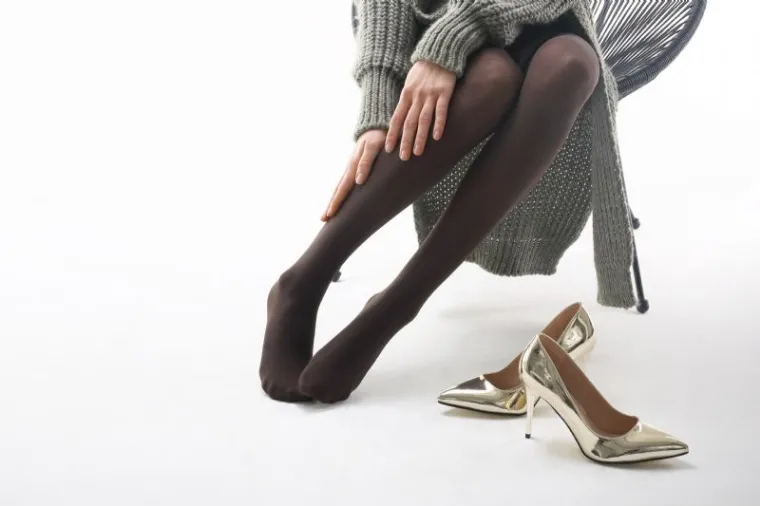
Compression therapy is one of the most commonly applied methods to treat and prevent a wide variety of musculoskeletal injuries and circulatory conditions. At the most basic level, compression devices utilize consistent pressure to reduce pain and inflammation and promote healthy fluid circulation.
The most common form of these devices is the compression sock or elastic bandage, providing relief from twisted or swollen ankles, but compression is growing in popularity as more and more people realize its versatility and efficacy at preventing injury and relieving pain. And as it grows in popularity, the market is growing in tandem, giving customers an array of braces, shirts, sleeves, pants, socks, gloves, and bandages to choose from for any and every need they may have.
But with the wide variety available, navigating the choices might be a confusing job for someone just looking for a solution. Luckily, we’re here to help. We’ll outline the different levels of compression available, types of garments on the market, and how to choose the right ones for your needs so that your shopping experience is effortless.
Compression garments are form-fitting medical-grade clothing that apply controlled pressure to various parts of the body. Their purpose is to:
Compression garments are effective for reducing edema and improving quality of life in conditions like lymphedema and post-thrombotic syndrome.
Compression garments are available in five levels, offering pressure that ranges from 8 to 50 mmHg, and each level is designed for specific tasks and patient needs. Your choice of level depends on the severity of the pain, the medical condition being treated, and your unique preferences.
Mild compression is the lowest level of compression available, and likely the one that is most familiar. Mild compression devices provide light pressure (between 8-15 mmHg) designed to help relieve soreness in aching joints and body areas, and provide mild circulatory stimulation that can help prevent varicose and/or spider veins.
 | JOBST Bella STRONG Gauntlet Glove for Mild to Moderate Edema Compression Therapy View Product |
Medium compression ranges from 15 to 20 mmHg and is typically used to provide relief for more severe aches and pains, either in the muscles or joints. It is also ideal for use in long-distance travel to improve circulation and relieve the stiffness and soreness associated with traveling and long periods of time being cramped and stationary.
 | Jobst Activewear Knee High Moderate Compression Socks View Product |
Firm compression, ranging from 20 to 30 mmHg, is the level at which compression garments are no longer intended for relieving soreness or achy muscles and joints. Instead, firm compression is typically used to promote the circulation of blood or lymphatic fluids. Because of this, it is frequently used for patients in a postoperative setting, wherein circulation may be decreased, or for medical conditions like diabetic neuropathy or blood pooling in the feet.
 | Jobst Relief Open Toe Knee High Firm Compression Stockings View Product |
Extra firm compression, characterized by 30 to 40 mmHg, is used to relieve many of the same conditions as firm compression, just providing more pressure for larger patients or more severe symptoms. It can be used to promote circulation, relieve hypertension, and treat severe edema.
 | Jobst Opaque Extra Firm Compression Pantyhose View Product |
Medical-grade compression provides the highest level of pressure available, ranging from 40 to 50 mmHg, and is only used in medical treatment and rehabilitation. Often seen only in compression stockings and thromboembolic deterrents, medical compression can only be obtained with a prescription and is used mostly for post-surgical conditions to prevent the pooling of blood or other circulation problems that might be observed in patients with limited mobility.
 | Chest Compression Bandage Wrap by Alpha Medical View Product |
Compression is measured in millimeters of mercury (mmHg). Choose your level based on clinical guidance:
Compression products come in many forms: gloves, shirts, socks, shorts, sleeves, toe caps, binders, bras, chin straps, leggings, and even face masks to name a few. Each supports different anatomical areas and clinical goals.
.jpg&newwidth=365&maxheight=200 "Soft Wing Leg Compression Sleeve with Massage") | Soft Wing Leg Compression Sleeve with Massage View Product |
Look for breathable, hypoallergenic materials that wick moisture. A snug but comfortable fit ensures therapeutic benefit without restricting movement.
~3.jpg&newwidth=365&maxheight=200 "Postpartum Compression Garment for Recovery | LEXA by Body After Baby") | Postpartum Compression Garment for Recovery | LEXA by Body After Baby View Product |
Individuals with arthritis or low dexterity may benefit from gloves with zippers or silicone-dotted inner linings for easier application.
 | Elastic Soft Compression Bra View Product |
Due to the variety of conditions and body regions which compression can be used to benefit, the selection of compression devices is equally vast. Thankfully for the buyer, that means there’s a perfect compression garment or device for any and every need they may have, helping to prevent soreness or relieve joint swelling, encourage circulation, or prevent varicose veins. Here are just a few of those options. For more niche options, please visit our Compression Garments category page!
Compression bandages are specially designed strips of woven elastic fabric that help relieve pain and swelling associated with a variety of soft tissue injuries through compression. Their versatility allows you to easily wrap them around any injured or sore region of the body, fitting any location or body size. These bandages come in all widths and lengths, and some are even made so that they don’t require the use of adhesives or clips and can be machine washed and reused again and again.
 | Kin-Grip Tubular Compression Bandage View Product |
Compression socks and stockings are probably the most familiar type of compression device, providing pain relief and circulatory support for the feet and legs. These devices are composed of a strong, but breathable material that applies compression without significantly limiting airflow. For fluid circulation, these garments apply graduated compression to pump fluid from the feet back towards the body, and are available in multiple designs for both men and women.
 | Jobst Unisex Sport Compression Socks View Product |
Compression sleeves, also called compression braces, are either short or long tubes of compression fabric that apply compression around 360 degrees of a joint or limb. Commonly used to support the knees and elbows, compression sleeves are also available in designs that cover the calf, arm, wrist, feet, or ankle, applying firm, even pressure to help users move comfortably and relieve the aches and pains of swollen joints and sore muscles.
 | SPIO Arm Orthosis Compression Sleeve View Product |
Compression gloves are most often used to treat the aches and pains of conditions like arthritis, carpal tunnel syndrome, and Raynaud’s. These thin, comfortable gloves apply even compression over the small joints of the hand and fingers, and help to insulate the joints to soothe away aches and pains. A variety of designs are available to ensure maximum comfort for a range of user needs, from full hand, fingerless, short, or long enough to cover the wrist.
 | Swede-O Thermal Compression Arthritic Gloves, Pair by Core Products View Product |
Compression garments aren’t just about comfort—they’re medically necessary in many cases. In my practice, they help:
They’re used to improve blood circulation, reduce swelling, support injured joints, and prevent complications like DVT or lymphedema.
Yes, they help reduce pain, stiffness, and swelling by enhancing circulation and offering light joint support.
It depends on the use case. For chronic swelling or post-op recovery, 6–12 hours is common. Always follow clinical advice.
Clinical evidence supports their benefits in improving circulation, reducing edema, and supporting joint health, especially when correctly fitted.
Ultimately, compression garments help to improve circulation and decrease swelling or edema. They can also stabilize certain muscles, joints, or other structures to help relieve pain.
Unless you're dealing with some sort of injury, wound, or functional disability, then no. Compression garments' effects on healthy individuals' athletic performance have been largely inconclusive. Compression garments will, however, improve workout recovery by improving circulation and helping to reduce delayed onset muscle soreness when worn after you exercise.
Compression socks, and any other compression garment, should feel like a tight squeeze, but should not be painful to wear or move around in.
Unless your doctor tells you otherwise, avoid wearing compression bandages or garments while you sleep. Keep the area elevated if you can to help reduce swelling, but avoid sleeping in compression gear.
Choosing the right compression garment depends on your health condition, activity level, and treatment goals. Whether you're managing arthritis, healing from surgery, or preventing vein issues, these garments can make a world of difference.

Co-Founder of Rehabmart and an Occupational Therapist since 1993. Mike has spent his professional career working in multiple areas of Occupational Therapy, including pediatrics, geriatrics, hand therapy, ergonomics and inpatient / outpatient rehabilitation. Mike enjoys writing articles that help people solve complex therapeutic problems and make better product choices.