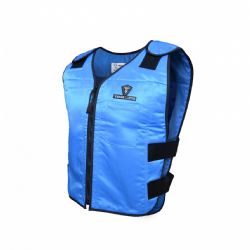
If you've ever struggled to stay cool in extreme heat—whether due to work, sports, or a medical condition—you’ve probably asked yourself: Do cooling vests really work? The answer is a resounding yes, but not all cooling vests are created equal.
This buying guide will walk you through the most effective types of cooling vests, who they’re for, and what to look for in a model that fits your lifestyle, health, or activity level. Whether you're managing multiple sclerosis, enduring heat-intensive job duties, or training for endurance sports, this guide will help you make a confident, evidence-based purchase.
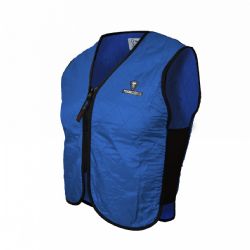
A cooling vest is a wearable garment designed to regulate core body temperature and prevent heat stress. By leveraging technologies like evaporation, ice, or phase change materials, these vests help cool the body through conduction and convection. They're commonly used by:
According to the CDC, regulating body temperature during heat exposure is crucial for preventing heat-related illnesses and fatalities.
Start by considering where and how long you’ll wear it. Is it for indoor or outdoor use? Medical or athletic use? Will you need extended cooling time?
Yes, especially models that use phase change technology. They offer a safe, skin-friendly temperature range. Always consult your healthcare provider if you have cardiovascular or autonomic issues.
Depending on the cooling method, vests typically offer 2 to 6 hours of cooling before needing a recharge (ice, rehydration, or PCM reset).
Some models are CE-marked for medical use. Products should clearly state their regulatory approvals and temperature specifications.
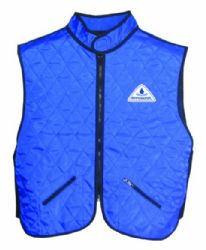
Best for dry climates, these vests are soaked in water and cooled through natural evaporation. They are lightweight and portable.
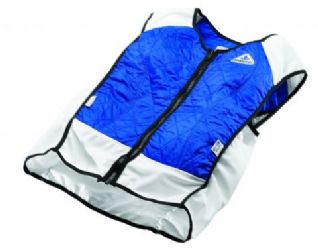
CoolPax Hybrid Sport Cooling Vest
 | CoolPax Hybrid Sport Cooling Vest View Product |
These use frozen ice or gel packs that deliver intense cooling for short durations.
 | Cooling Vest with Included CoolPaks for Active Lifestyles - Ultimo by Oro Sports View Product |
These vests use Phase Change Material that melts at a controlled temperature (usually between 55°F–65°F), offering stable cooling without discomfort.
Phase Change Cooling Vest with Hydration System
 | Phase Change Cooling Vest with Hydration System View Product |
A more clinical option, these circulate cold water via tubing and require an external cooling reservoir.
SubZero Water Circulating Cooling Vest
 | SubZero Water Circulating Cooling Vest - Battery Powered With Up To 2 Hours of Cold Relief from Pain Management Technologies View Product |
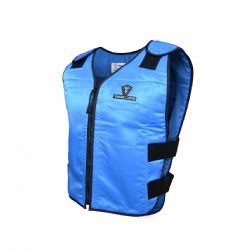
This cooling vest is ideal for patients managing fatigue and overheating from medical conditions like Anhidrosis, Fibromyalgia, MS (Multiple Sclerosis), Lupus, POTS, and Diabetes. It's also great for individuals who experience frequent hot flashes or are going through menopause. Adjustable straps, mesh sides, and front velcro closure make it user-friendly for individuals with limited dexterity. UnderCool 3.0 packs freeze in just 30 minutes and last for 2–3 hours with the extended cooling packs.
 | ThermApparel Cooling Vest - UnderCool 3.0 | Made in the USA! View Product |
Cooling vests are highly effective tools to manage body temperature, especially for people with chronic illnesses or those exposed to extreme heat. Choosing the right vest comes down to understanding your environment, activity level, and cooling needs.
For long-lasting, skin-friendly comfort, phase change vests are the top pick—especially for those with medical conditions. For rapid and intense cooling, ice pack vests are ideal. If you’re training outdoors in a dry climate, go with an evaporative vest.

Co-founder/CEO of Rehabmart, Pediatric Occupational Therapist, husband, and father. Passionate about connecting special needs kids with superb nutrition, sensory integration, and complementary health strategies. Excited about Rehabmart's mission to become the premier online educational platform which empowers caregivers by spotlighting innovative devices and interventions to achieve optimal patient response and recovery.