Flexible seating is transforming modern classrooms by providing dynamic options that cater to different student needs. We’ve seen firsthand how alternative seating can improve focus, posture, and sensory regulation. Whether a student needs movement, sensory support, or a collaborative workspace, choosing the right seating is key. Below, we’ll break down the different types of flexible seating classroom solutions, why they work, and which products best fit each category.
Flexible seating is an alternative to traditional desks and chairs, offering students a variety of seating options to match their unique learning needs. Research has shown that active sitting and sensory-friendly seating can improve student engagement, reduce fidgeting, and enhance overall comfort in the classroom. Teachers who integrate flexible seating often see better collaboration, increased focus, and fewer behavioral disruptions.
Active seating encourages small, controlled movements while sitting, which helps students with ADHD, sensory processing disorders, or difficulty maintaining attention. These seating options allow for rocking, bouncing, or wobbling to help children stay engaged without disrupting others.
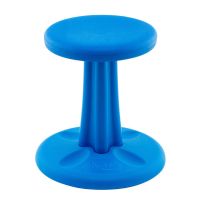 | Kore Design Wobble Chairs for Kids View Product |
 | Yoga Ball Chair for Kids by Aeromats View Product |
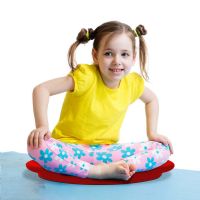 | Kore Design Floor Wobbler Balance Disc View Product |
Some students require seating that provides deep pressure or calming input to help with sensory regulation. Soft, cushioned seats can help create a sense of security and comfort, making them ideal for children with autism, anxiety, or sensory processing challenges.
 | Set of 2 Soft Kids Sofa Chairs - Comfortable Childrens Couch for Play and Relaxation View Product |
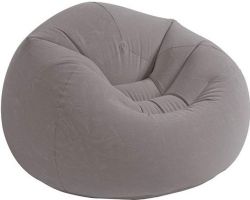 | Waterproof Inflatable Beanless Bag Chair View Product |
For students who need continuous movement to stay attentive, rocking or swiveling chairs allow for motion while keeping the body engaged. These are excellent for students who struggle with staying seated in a traditional chair.
 | Classroom Swivel Floor Chair with 220 Pound Capacity by KidsFit View Product |
 | Sensory Rocking Chair for Kids - Calming Balance and Therapeutic Motion Seating View Product |
Classroom seating should be flexible enough to promote both individual work and group collaboration. Stackable stools and modular seating arrangements allow for easy reconfiguration based on classroom activities.
LE-S2-MC-GG.jpg&newwidth=365&maxheight=200 "Flash Furniture Short Multi-Color Plastic Nesting Stools - Set of 5") | Flash Furniture Short Multi-Color Plastic Nesting Stools - Set of 5 View Product |
 | Flash Furniture Flexible Soft Seating for Classrooms - Crescent View Product |
 | Flash Furniture Flexible Soft Seating for Classrooms - Round View Product |
Flexible seating improves student engagement, promotes better posture, supports sensory needs, and encourages collaboration. Studies show that movement-friendly seating can help students focus better and reduce disruptive behaviors.
Active seating options like the Kore Wobble Chair, Aeromat Kids Ball Chair, and Kore Floor Wobbler Sitting Disc are great for students with ADHD as they allow movement while maintaining focus.
Start with various seating options and allow students to choose what works best for them. Gradually introduce different types of seating and observe which options best support student engagement and learning.
Yes! The Assorted Colors Plastic Nesting Stools and Kore Scoop Rocker Chairs are budget-friendly, durable, and provide great flexibility for different classroom layouts.
While flexible seating can benefit most students, some may require specific support. For students with postural challenges, structured seating like the Crescent Moon-Shaped Soft Seating or Circle-Shaped Soft Seating provides stability while maintaining flexibility.
Many flexible seating options, such as wobble chairs and plastic stools, are easy to wipe down. For soft seating like beanless bag chairs, look for options with removable, washable covers or use disinfectant sprays regularly.
Flexible seating isn’t just about adding variety to the classroom; it’s about meeting students where they are and creating an environment that supports diverse learning needs. Whether it’s active seating for focus, sensory-friendly options for comfort, or modular seating for collaboration, every classroom has an option.
If I had to choose just one must-have flexible seating option, the Kore Wobble Chair would be my top pick because it provides movement without disrupting learning. However, every classroom and student is different, so choosing the right mix is essential for success.
By integrating flexible seating classroom solutions, educators can create a more inclusive and engaging learning environment that supports student success in both focus and comfort.

Co-Founder of Rehabmart and an Occupational Therapist since 1993. Mike has spent his professional career working in multiple areas of Occupational Therapy, including pediatrics, geriatrics, hand therapy, ergonomics and inpatient / outpatient rehabilitation. Mike enjoys writing articles that help people solve complex therapeutic problems and make better product choices.