If you’ve been hearing more about red light therapy lately, you’re not imagining it. It’s showing up in homes, gyms, and wellness clinics everywhere, and for good reason.
People are always looking for simple ways to feel better, recover faster, and take care of their bodies without adding more stress to their routine. That’s where full body red light therapy comes in.
It’s easy to use, doesn’t require downtime, and can support multiple areas of the body at once. But what exactly does that mean, and how does it work?
Red light therapy uses specific wavelengths of red and near-infrared light to interact with your body at a cellular level. These wavelengths can travel below the surface of the skin and help support how your cells create energy and repair themselves.
That might sound technical, but here’s the simple version: your body uses light to help function more efficiently.
With full body red light therapy, you’re not just treating one spot like your shoulder or knee. Instead, your entire body is exposed to the light at the same time. This allows you to support your skin, muscles, joints, and deeper tissues in a single session.
It’s a more complete approach compared to small handheld devices that only target one area at a time.
If you’ve ever tried to treat multiple sore spots with a small device, you know how time-consuming it can be. You move from one area to another, trying to give each spot enough attention.
Full body systems remove that extra step. By covering more surface area at once, they help:
Consistency is key with most wellness routines, and when something is quick and easy to use, you’re much more likely to stick with it.
People are drawn to full body red light therapy for a range of everyday wellness goals. While results can vary, many use it to support how their body feels and recovers over time. Some of the most common reasons include:
Because full body systems treat everything at once, they’re especially helpful for people who don’t want to focus on just one area. Instead, you’re supporting your whole body in a single session.
One of the biggest surprises for new users is just how relaxing red light therapy can feel.
Most sessions involve lying down or sitting comfortably while the light surrounds your body. The warmth is gentle, and many people find it calming enough to become part of their daily routine.
There’s no pain, no recovery time, and no complicated setup. You don’t need special training to get started, and most systems are designed to be very user-friendly.
Different types of full body systems offer slightly different experiences, depending on your space, preferences, and goals.
 | Red Light Therapy Bed with Near-Infrared, For Home and Professional Use, 21,600 LEDs by Rehabmart View Product |
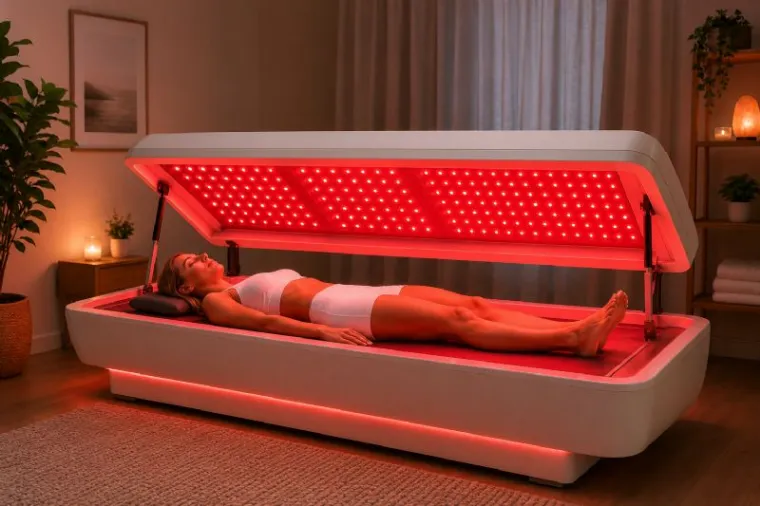
The Red Light Therapy Bed offers one of the simplest and most comfortable ways to get full body treatment.
You just lie down, close your eyes, and let the light do the work. There’s no need to reposition anything or think about angles or coverage. Your entire body is treated at once, which makes sessions feel effortless.
This type of setup is especially popular in clinics, gyms, and home wellness spaces where ease of use is important. It creates a consistent experience every time, which can be helpful if you’re building a regular routine.
If you like the idea of something that feels hands-off and relaxing from start to finish, this is often the go-to option.
 | Red Light Therapy Exercise and Yoga Mat by BioMol View Product |
The Red Light Therapy Exercise and Yoga Mat takes a more flexible approach.
Instead of being inside a fixed system, you can use the mat in different ways depending on what you need. You might lie on it to relax, use it during stretching, or focus on larger areas like your back, legs, or core.
Because it’s lightweight and easy to roll up, it’s also a great choice if space is limited. You can store it away when you’re not using it and bring it out whenever it fits your schedule.
This option works well for people who want a mix of movement and recovery, or for those who prefer something portable instead of a permanent setup.
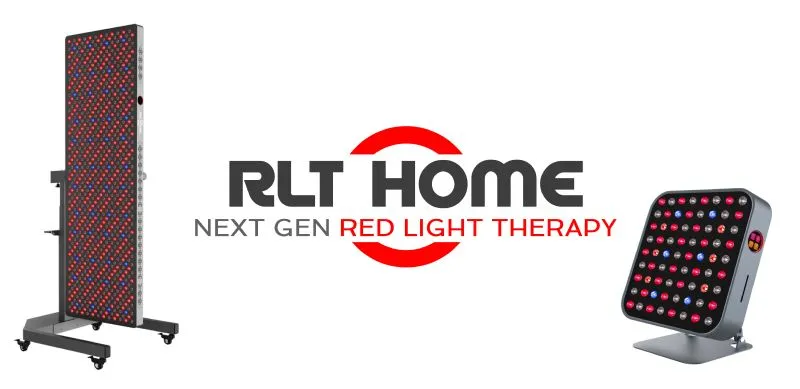
If you’re looking for something more advanced, full body panel systems like those from RLT Home are designed to deliver a higher level of performance.
The Total Spectrum ULTRA (480 LEDs) and ELITE (864 LEDs) models are built specifically for full body coverage. These systems use seven wavelengths of light, ranging from 480 to 1,064 nanometers, so they can support different layers of the body during the same session.
That means they’re designed to address everything from surface-level skin concerns to deeper muscle and joint areas all at once.
Another helpful feature is the built-in treatment modes. Instead of adjusting settings manually, you can simply choose a preset option and get started. It removes the guesswork and makes the experience much more approachable, especially for beginners.
Panel systems are often chosen by users who want more control over their setup or who are looking for a long-term solution at home.
Full body red light therapy offers a simple, low-effort way to support your body from head to toe. Instead of focusing on one area at a time, you can treat everything in a single session, which makes it easier to stay consistent and build it into your routine.
You don’t need a complicated setup, special training, or a lot of extra time. Whether you’re using a bed, a mat, or a panel system, the process stays pretty straightforward: get comfortable, turn it on, and let the session run.
It also gives you flexibility in how you use it. Some people prefer it after workouts to support recovery, while others use it as a way to relax at the end of the day. Over time, that consistency is what tends to matter most.
With options ranging from hands-free beds to portable mats and high-powered panel systems, it’s easier than ever to find something that fits your space, your schedule, and your comfort level.

Co-founder/CEO of Rehabmart, Pediatric Occupational Therapist, husband, and father. Passionate about connecting special needs kids with superb nutrition, sensory integration, and complementary health strategies. Excited about Rehabmart's mission to become the premier online educational platform which empowers caregivers by spotlighting innovative devices and interventions to achieve optimal patient response and recovery.

 Red Light Therapy Bed with Near-Infrared, For Home and Professional Use, 21,600 LEDs by Rehabmart