Grip strength is easy to overlook, but it plays a major role in staying safe and independent at home as we age. It’s not just about holding onto objects. Grip strength supports balance, stability, and confidence during everyday movements. When it starts to decline, simple actions like standing up, holding a railing, opening a door, or steadying yourself in the bathroom can feel harder and carry more risk.
As we get older, hand strength becomes closely tied to how we move, manage daily tasks, and stay safe at home. Paying attention to grip strength and taking practical steps to support it can make a meaningful difference in comfort, confidence, and long-term independence.
Grip strength refers to how strongly we can hold, squeeze, or support ourselves using our hands. It involves the muscles of the hands, wrists, and forearms, but it also reflects overall muscle health and coordination.
As we age, it is common for grip strength to decrease. This can happen due to arthritis, nerve changes, muscle loss, or reduced activity. When grip strength weakens, daily tasks often require more effort and feel less secure. Grip strength matters because it:
Falls are one of the biggest concerns for people aging in place. While balance and leg strength are often discussed, grip strength is just as important.
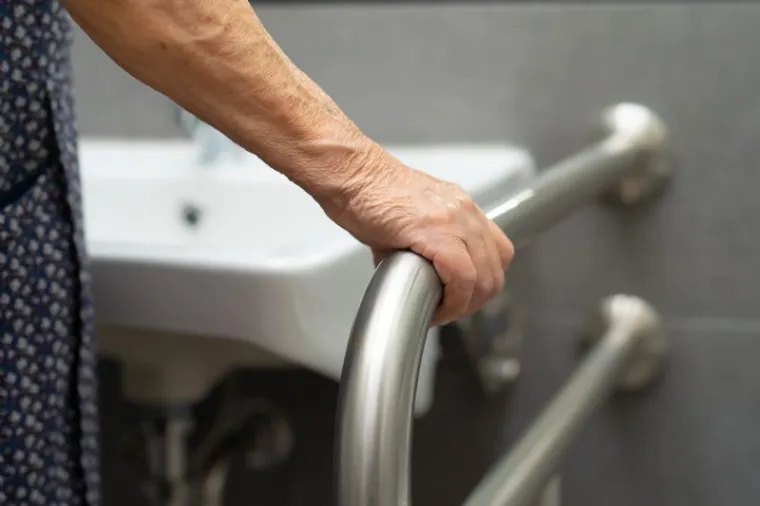
When we lose balance, our instinct is to reach out and grab something. If our grip is weak, we may not be able to hold on long enough to prevent a fall. Stronger grip allows us to:
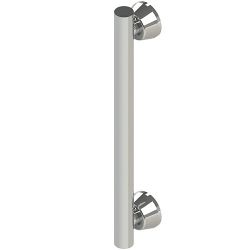
Safety products that rely on hand support are only as effective as our ability to grip them. A sturdy handrail, like the Safety Grip Step Assistcan offer extra stability when using steps, but it works best when we can grasp it securely and confidently.
 | Garage Steps Handrail, SafetyGrip StepAssist by Hartmobility View Product |
The bathroom is one of the most common places where falls occur. Wet surfaces, tight spaces, and awkward movements all increase risk. When grip strength is limited, these everyday tasks can feel unsafe or exhausting:
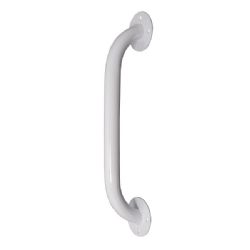
Well-designed supports can reduce risk by giving us something reliable to hold. This Bathtub HandRail is designed to clamp securely onto the tub edge, providing a stable handhold during entry and exit. A strong, well-placed rail combined with a strong grip can significantly improve confidence and safety.
 | Bathtub Mounted Handrail - SafetyGrip from Hartmobility View Product |
Grip strength affects many everyday activities beyond mobility and safety. It plays a role in:
When grip strength declines, people may start avoiding tasks or relying more on others. Over time, this can affect confidence and independence.
Supporting grip strength is not only about exercises. It is also about creating an environment where tasks require less force and less strain. Adaptive home features and safety products help reduce how much grip strength is needed for daily activities.
Grip strength works best when the home environment is designed to support it. Rather than relying on one product in one room, many people benefit from a coordinated approach to safety.
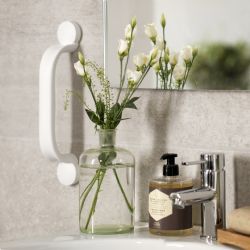
Bathroom Safety Packagesprovide multiple grab bars strategically placed to reduce the amount of grip strength needed for everyday bathroom tasks. By offering reliable, secure points of contact, these packages help distribute effort across the body and minimize risky movements.
 | HartMobility Grab Bar Packages for Bathroom Safety View Product |
This kind of planning makes the home easier to navigate, even as grip strength changes over time.
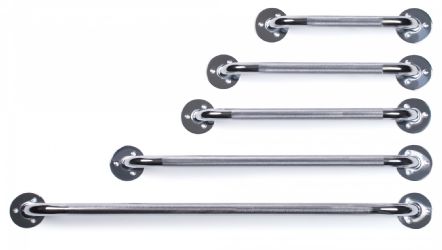
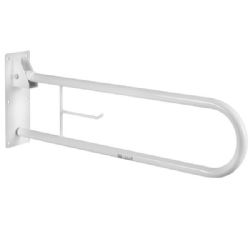
Not all grab bars are created equal, and both design and placement make a big difference, especially if your hands aren’t as strong as they used to be. Wall-mounted bars, like the Hinged Wall Mounted Grab Bar, give you a steady surface at multiple angles, which is especially helpful near toilets or showers.
Placing grab bars at the right height and angle can make them easier to hold and reduce the strain on your hands. Hartmobility’s SafetyGrip bars add extra security with a textured surface that increases friction, letting you hold on firmly without having to squeeze too hard, even when the bar is wet.
.png&newwidth=365&maxheight=200 "Wall Mounted Angle Adjustable Hinged Grab Bar - SafetyGrip from Hartmobility") | Wall Mounted Angle Adjustable Hinged Grab Bar - SafetyGrip from Hartmobility View Product |
Smart placement combined with SafetyGrip features makes grab bars more reliable and easier to use, helping you stay steady, safe, and independent around the bathroom or anywhere slips might happen.
Yes, grip strength can often be maintained or improved with consistent, appropriate activity. While results vary from person to person, even small improvements can make daily tasks feel easier. Simple strategies may include:
It is always best to consult your doctor or therapist before starting new exercises, especially if arthritis, nerve issues, or pain are present.
Grip strength supports safety, balance, and independence at home. It helps us hold onto rails, grab bars, and supports daily activities. As grip strength declines, tasks like standing up, bathing, or steadying ourselves can become harder. Supporting grip strength and reducing the force needed for daily tasks helps lower fall risk and makes aging in place safer and more comfortable.
Yes. When we lose balance, we often rely on our hands to catch or steady ourselves. If grip strength is weak, it may be harder to hold onto a railing or grab bar long enough to prevent a fall. Improving grip strength and adding well-placed safety supports can significantly reduce fall risk in the home.
Absolutely. Well-designed safety products reduce how much grip strength is required to stay safe. Grab bars, handrails, and bathroom safety packages provide stable support surfaces. When combined with proper placement, these tools help people maintain independence even when grip strength is reduced.
Grip strength is often seen as a general indicator of muscle health and function. Changes in grip strength can reflect changes in strength, coordination, or endurance. Maintaining grip strength through activity, therapy, and supportive environments contributes to overall mobility and quality of life as we age.
Yes. If you notice changes in grip strength or feel less secure holding onto supports, it is a good idea to talk with a healthcare provider or therapist. They can assess strength, recommend exercises, and suggest home safety modifications to reduce risk and support aging in place.
Grip strength is a quiet but powerful factor in aging in place safely. It affects how we move, how we steady ourselves, and how confident we feel at home. By paying attention to grip strength, using supportive home safety products, and creating environments that reduce strain on the hands, we can protect independence and reduce fall risk. Small changes, made early, often make the biggest difference in long-term comfort and safety.

Co-founder/CEO of Rehabmart, Pediatric Occupational Therapist, husband, and father. Passionate about connecting special needs kids with superb nutrition, sensory integration, and complementary health strategies. Excited about Rehabmart's mission to become the premier online educational platform which empowers caregivers by spotlighting innovative devices and interventions to achieve optimal patient response and recovery.