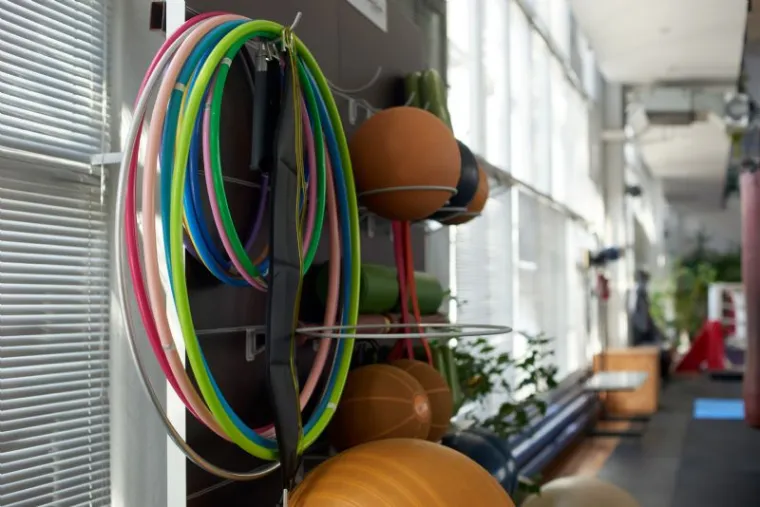
School gyms are busy spaces. Equipment moves in and out constantly, classes rotate quickly, and the same room may serve physical education classes, after-school programs, and special events all in one day. When storage is poorly planned, even well-equipped gyms can feel cluttered and hard to manage.
The right gym storage rack helps schools keep equipment organized, helps protect gear from unnecessary wear and tear, and makes transitions between activities smoother for both staff and students. Instead of equipment piling up along walls or blocking walkways, smart storage keeps everything visible, accessible, and ready for use.
From elementary PE rooms to high school gyms, the key is matching your storage to your space, your students, and the equipment you use most.
Different types of gym gear require different storage solutions. Choosing racks that fit your equipment keeps items off the floor and simplifies setup and cleanup.
Prioritize storage based on the equipment you use most. This ensures items remain accessible and safe while keeping the gym floor clear.
School gyms serve students of varying ages and sizes, often with different levels of supervision. Choosing storage racks with the users in mind makes daily routines safer and more efficient.
For younger students:
For middle and high school students:
Physical education best practices recommend age-appropriate storage and organized environments to promote safe participation and smooth instruction.
Deciding whether a rack should stay in one spot or move around depends on how your gym is used.
Stationary racks work best when:
Mobile racks are ideal when:
For mobile racks, look for smooth-rolling casters with secure locks. The wheels should support the rack’s full weight, even when loaded.
School gym storage racks get heavy use, often by large groups, so durability is essential. A well-built rack handles repeated loading and unloading while staying secure over time. Look for these features:
Strong construction reduces maintenance, limits replacements, and keeps equipment accessible.
Smaller gear, like cones, jump ropes, resistance bands, and agility tools, can easily clutter gym floors if not properly stored. Choosing a versatile storage solution with multiple tiers or compartments helps keep items organized and easily accessible during class.
 | Accessory Storage Rack View Product |
The Accessory Storage Rack provides dedicated spaces for these types of equipment, helping staff maintain an orderly and efficient gym environment.
In middle and high school fitness zones, heavier free weights and dumbbells see regular use. Using wall-mounted storage keeps equipment off the floor, improving safety and freeing space for movement circuits.
 | Dumbbell Set with Hanging Chrome Wall Rack by Elgin View Product |
The Dumbbell Set Wall Rack by Elgin is ideal for holding multiple pairs of dumbbells securely, allowing for quick inventory checks and organized access for students and staff.
School gyms are used by students of different ages, sizes, and abilities, so storage should be easy for everyone to reach and use. Lower shelves or open-access designs help younger students return equipment safely, while clear labeling and visible organization assist all students in quickly finding what they need. Accessible storage encourages independence, reduces disruptions during class, and supports consistent routines, making it easier for teachers to manage multiple activities efficiently.
 | Combo Weight and MirrorRac by Clinton View Product |
The Combo Weight and MirrorRac provides durable, easy-to-reach storage that keeps equipment organized and accessible for students of all ages.
Once racks are in place, maintaining routines is key:
A proactive approach keeps equipment accessible, protects your gear, and ensures smooth transitions between activities.
School gyms often experience changes in equipment inventory throughout the year, such as new PE programs, sports seasons, or special events. Choosing storage racks that can accommodate additional equipment or be reconfigured as needs evolve helps future-proof the space. Adjustable shelves, modular units, or racks with expandable capacity make it easier to manage seasonal spikes in equipment without cluttering the gym floor or disrupting routines.
When selecting storage, consider the types of equipment used most often. Balls, mats, weights, and small accessories all have different storage needs. Ball racks and mat racks often use angled shelves or vertical bars, while heavier equipment like dumbbells requires reinforced shelving. Prioritizing based on frequency and size ensures items remain organized, accessible, and safe for students, while keeping the gym floor clear for activities.
Age and size of students influence storage choices. For younger students, use lower shelves, open-access designs, and easily visible items that don’t require lifting overhead. Middle and high school storage may need to accommodate heavier equipment, larger quantities, and secure racks for safety. Designing with student accessibility in mind promotes independence, encourages proper use, and reduces risk of accidents during transitions or physical education activities.
School gyms experience frequent, heavy use, often with multiple students using equipment simultaneously. Storage racks must be durable and stable, with reinforced frames, welded joints, and powder-coated finishes to resist wear and corrosion. Wide bases or wall-mounting options add extra stability. Investing in high-quality racks reduces maintenance needs, prevents accidents, and ensures that equipment remains organized and safe for students throughout the school year.
Smaller items like cones, jump ropes, resistance bands, and agility tools can easily clutter floors. Multi-tiered or compartmentalized racks help keep these items sorted and visible. An accessory storage rack provides designated spaces for each type of equipment, making setup and cleanup faster. Organized storage also helps teachers track inventory, reduces loss or damage, and ensures that students can quickly access the tools needed for lessons without interrupting class flow.
Yes. Wall-mounted racks save valuable floor space, keep equipment off the ground, and make visual inventory checks easier. They are especially useful for heavy or frequently used items like dumbbells, which benefit from stable, secure storage. Mounting racks to the wall also improves safety by reducing trip hazards and creates more open areas for group exercises, PE classes, or multi-use activities in a busy school gym.
Gym storage racks are most effective when they seamlessly integrate into the space and daily routines of a school gym. The best racks keep equipment organized, accessible, and safe without drawing attention or requiring constant upkeep. When storage is thoughtfully planned, it becomes part of how the gym functions, not something staff have to manage constantly. The result is a safer, more efficient space where students can stay focused on movement, learning, and participation.

Co-Founder of Rehabmart and an Occupational Therapist since 1993. Mike has spent his professional career working in multiple areas of Occupational Therapy, including pediatrics, geriatrics, hand therapy, ergonomics and inpatient / outpatient rehabilitation. Mike enjoys writing articles that help people solve complex therapeutic problems and make better product choices.