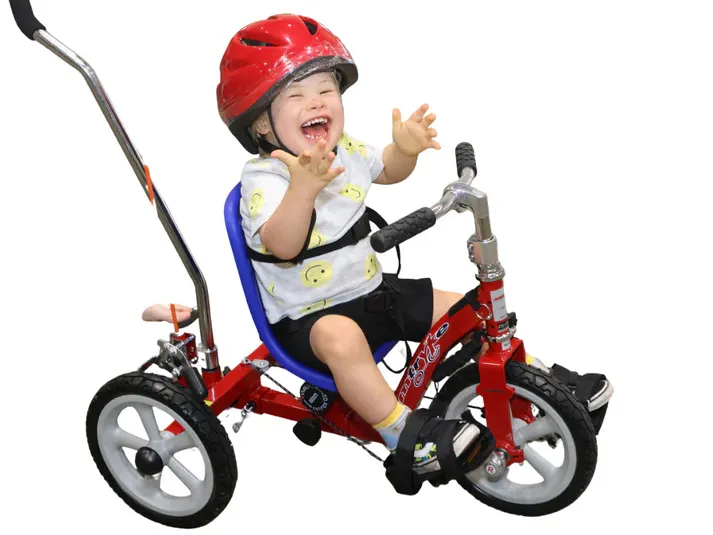
Handcycles offer a way to enjoy cycling when a standard bike is not an option. Instead of relying on leg movement, the cycle is powered through the arms, making outdoor riding accessible for many people with lower-body mobility limitations. Handcycles are commonly used for getting outside, staying active, and building strength over time, and they may improve physical activity, mental health, and overall quality of life. Depending on the design, they may be used for daily activity, exercise programs, or adaptive sports.
Handcycles are:
Handcycles are often used simply as a way to keep moving. For some people with limited lower-body strength, this can mean getting outside and covering more ground than they could otherwise.
Handcycles are available in a range of styles, depending on how and where they will be used. Some are suited for relaxed riding on paved paths, while others are built for longer rides, higher speeds, or rougher surfaces. There are also handcycles that attach to a manual wheelchair, along with designs that provide added support or assistance.
The AmTryke AM10 Special Needs Trike offers adjustable seating and frame options, making it ideal for recreational outdoor activity, while the AmTryke 1020 Signature Recumbent Handcycle provides a reclined, stable ride for users who need extra trunk support. Handcycling may be associated with increased physical activity and improvements in quality of life among people with physical disabilities.
 | Amtryke Special Needs Tricycle - AM10 Customizable Hand Cycle with Foot Pedals View Product |
 | Amtryke Hand Cycle Recumbent Trike - Junior 1020 Signature View Product |
Design details such as seating position, frame layout, and wheel configuration are what separate one handcycle type from another. These differences influence where each style is typically used, from smooth paths to uneven terrain. Keeping these details in mind can help narrow options based on intended use.
Handcycles offer a flexible way to support movement, independence, and participation for people with limited lower-body mobility. Different designs allow them to be used in a range of settings, from casual outdoor riding to more structured activity. Understanding how these designs differ can make it easier to compare options and decide how a handcycle might fit into everyday use.

Co-Founder of Rehabmart and an Occupational Therapist since 1993. Mike has spent his professional career working in multiple areas of Occupational Therapy, including pediatrics, geriatrics, hand therapy, ergonomics and inpatient / outpatient rehabilitation. Mike enjoys writing articles that help people solve complex therapeutic problems and make better product choices.