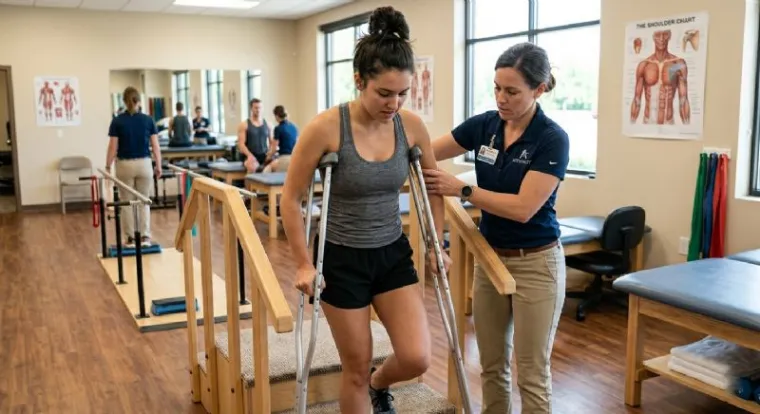
Crutches are mobility aids designed to help individuals move safely while reducing weight-bearing on one or both legs. By transferring weight through the arms and upper body, crutches support balance and stability during walking, whether for short-term recovery or long-term mobility needs. From traditional underarm designs to more specialized options like forearm crutches and bariatric crutches, these devices offer adaptable solutions for a wide range of users.
Different types of crutches are used across home environments, rehabilitation settings, and clinical care. For someone recovering from surgery or injury, walking crutches may assist with temporary mobility. For individuals with ongoing conditions, options like Lofstrand crutches or bariatric forearm crutches may better support long-term use and comfort. Understanding how each type works - and how pricing varies - can help users and caregivers make informed, practical decisions. The sections below break down key categories, typical price ranges, and how each style supports daily movement and independence.
Standard crutches, often called axillary crutches, are the most widely recognized style. They feature padded supports under the arms and handgrips for weight transfer.
Position the crutches under the arms with the tops resting just below the armpits. Hold the hand grips firmly and support your weight through your hands rather than your armpits to avoid nerve or tissue pressure. Move both crutches forward slightly, then step with your affected leg, followed by your stronger leg. Keep your shoulders relaxed, maintain an upright posture, and use a steady rhythm to improve balance and reduce fatigue while walking.
Bariatric crutches are reinforced versions of standard axillary crutches designed to support higher weight capacities.
They function similarly to traditional crutches but are constructed with stronger materials and wider frames for added stability.
 | Crutches Category |
Forearm crutches, also known as Lofstrand crutches, Canadian crutches, or European crutches, include a cuff that wraps around the forearm for added stability and control.
Place your forearms through the cuffs and grip the handles to support your weight. As you walk, move both crutches slightly ahead, then step forward with the affected leg, followed by the stronger leg. The cuffs help keep the crutches in place, allowing for better control and a more natural walking rhythm. Maintaining an upright posture and steady pace can help promote balance and reduce strain during movement.
Bariatric forearm crutches combine the forearm cuff design with reinforced construction for those needing both stability and higher weight support.
These heavy duty crutches function similarly to traditional forearm crutches but are durably designed to support larger body frames and weights.
 | Forearm Crutches Category |
Crutches play an important role in supporting safe movement and independence across a wide range of needs. From standard axillary crutches to specialized options like bariatric forearm crutches, each design offers unique advantages that align with different levels of mobility, strength, and long-term use. Understanding the types of crutches available, along with their typical price ranges, can help individuals and caregivers choose solutions that fit both functional needs and budget considerations.
By selecting the right crutches, you can move more confidently, maintain daily routines, and reduce strain during recovery or long-term mobility use. With thoughtful selection and proper use, these devices continue to support independence, dignity, and safe mobility in everyday life.

Megan Smith, PT, ED of Human Resources & PEO Services
Megan has been a part of Rehabmart since its inception nearly 20 years ago. For the past several years she has been enjoying her role as HR Director while maintaining her Physical Therapy license. When she isn't working on her next in-service or working to find a new team member, she enjoys her five children, helping those who have PT type ailments, baking, practicing yoga, and working out.