A go-to option for people who want to help improve the look of fine lines and skin texture without needing a long recovery period is red light therapy. It works by using low-level red and near-infrared wavelengths that can help the skin’s natural repair processes and support a healthier, more balanced complexion. Many people appreciate that it feels comfortable on the skin and is easy to use at home.
While routines can vary, steady, repeated sessions usually lead to better results rather than long, occasional treatments. Red light therapy can fit nicely into a wellness routine, but it shouldn’t replace medical care for ongoing skin or health concerns.
Below are some simple guidelines that many people find helpful early on:
These guidelines give you a helpful starting point, but the best routine can vary from person to person. Your ideal frequency depends on your specific device, your goals, and how your skin responds over time. Many people begin with a consistent weekly schedule and then adjust as they start to notice improvements, making small changes that fit their lifestyle and comfort level.
A helpful starting point for most people is 3 to 5 sessions per week, especially during the first month. Short, regular sessions are generally more effective than spacing treatments farther apart or doing longer sessions less often. After improvements appear, many people shift to 1-3 sessions per week.
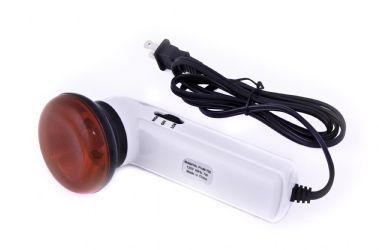
User-friendly options like the Hooga HG24 Red Light Therapy Handheld or the Medlight 630 Pro Hand Held are designed for home use and make it easier to build short, consistent sessions into your daily routine. Their compact size and simple controls help reduce guesswork, which is especially helpful for beginners. Because they’re easy to store and quick to set up, they fit naturally into self-care routines without requiring major time or space commitments.
 | Hooga HG24 Red Light Therapy Wand | Handheld View Product |
~3.jpg&newwidth=365&maxheight=200 "Medlight 630 Pro Hand Held Red Light Therapy") | Medlight 630 Pro Hand Held Red Light Therapy View Product |
Red light therapy can be a simple, low-risk way to support healthier skin, ease mild discomfort, and encourage the body’s natural repair processes. Although research is still evolving, current evidence shows that steady, repeated sessions tend to offer the most noticeable benefits. Many people start with 3-5 sessions per week and adjust once they notice changes in skin tone, texture, or overall comfort.
Daily use is sometimes appropriate for lower-power home devices, but results depend on the device’s wavelength, energy output, distance from the skin, and your individual response. If you’re unsure which schedule is right for you, talking with a healthcare provider is always a good idea.

Co-founder/CEO of Rehabmart, Pediatric Occupational Therapist, husband, and father. Passionate about connecting special needs kids with superb nutrition, sensory integration, and complementary health strategies. Excited about Rehabmart's mission to become the premier online educational platform which empowers caregivers by spotlighting innovative devices and interventions to achieve optimal patient response and recovery.






~3.jpg&maxheight=250&width=365&product_name=Medlight 630 Pro Hand Held Red Light Therapy "Medlight 630 Pro Hand Held Red Light Therapy")