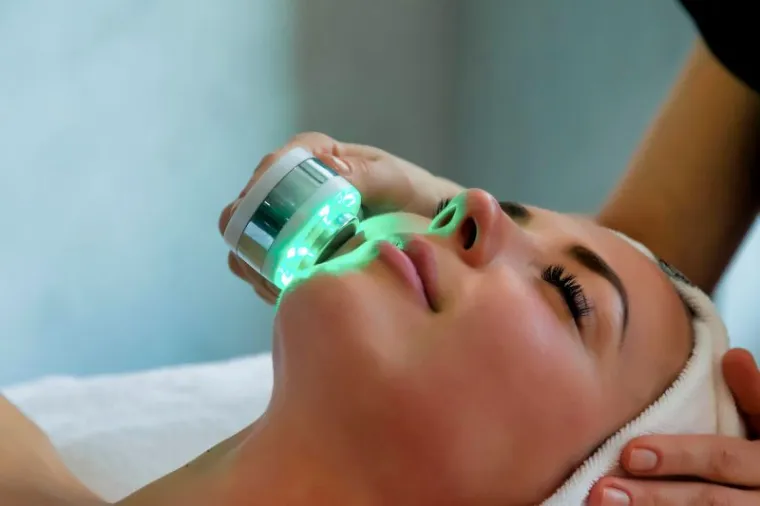
LED light therapy can look complicated at first, especially when devices offer multiple colors with different promises. In reality, each color simply represents a different wavelength of light, and each wavelength affects your body in a specific way.
Once you understand how those wavelengths work, choosing the right device becomes much more straightforward.
LED light therapy delivers energy into the skin and tissues using specific wavelengths. The key difference between colors is how deeply they penetrate:
This depth determines whether a light is best suited for surface-level skin concerns or deeper therapeutic applications.
Red light is often the go-to starting point because it works for both skin and deeper tissue support. It penetrates beyond the surface and is commonly used for improving skin appearance and supporting recovery. You’ll typically see it used for:
Devices like the Hooga HG24 Infrared Red Light Therapy Wand combine red and infrared wavelengths, making them useful for targeted areas like the face, shoulders, or joints.
 | Hooga HG24 Red Light Therapy Wand | Handheld View Product |
Blue light stays close to the skin’s surface, which makes it ideal for acne-related concerns. It targets bacteria and helps manage breakouts without affecting deeper tissues.
If your main goal is clearer skin, this is usually the most direct option. For added flexibility, the 24 LED Handheld Light Therapy Device (Blue, Red, Near-Infrared) includes blue light alongside deeper-penetrating wavelengths.
.webp&newwidth=365&maxheight=200 "24 LED Handheld Light Therapy Device - Blue, Red and Near-Infrared Lights for Skin Rejuvenation") | 24 LED Handheld Light Therapy Device - Blue, Red and Near-Infrared Lights for Skin Rejuvenation View Product |
Green and yellow lights fall in the middle range. They don’t penetrate as deeply as red light, but they go beyond the surface level of blue light. They’re typically used for:
The Green Light Therapy Device and Yellow Light Therapy Device are examples of devices designed for these more specific cosmetic goals.
Infrared and near-infrared light go deeper than visible light, reaching muscles and joints. These wavelengths are often used for recovery, circulation, and overall tissue support. They’re commonly paired with red light to create a more complete therapy approach.
If your focus is on deeper support rather than cosmetic concerns, a system like the DPL Infrared Light Therapy System is designed to deliver consistent infrared therapy across larger areas. This type of device can be especially helpful when treating the back, shoulders, or other broad treatment zones where a handheld tool might feel limiting.
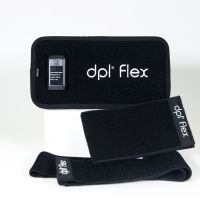 | LED and Infrared Light Therapy Body Pad with Straps | DPL Flex Pad View Product |
If you have a single goal, a focused device can keep things simple. But if you’re juggling multiple needs or want flexibility, a multi-spectrum device may be the better long-term option. Here’s a quick way to think about it:
Choose a single-color device if you:
Choose a multi-spectrum device if you:
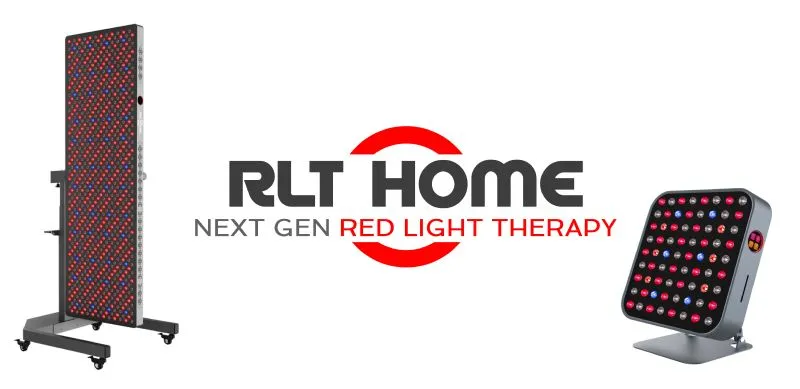
The RLT Home Total Spectrum series combines blue, red, near-infrared, and short-wave infrared wavelengths into one panel. With preset modes, you can switch between goals like skin care and recovery without needing separate devices.
If you’re still unsure, start by matching the color to your primary goal:
From there, think about how you’ll use the device. Handheld tools are great for targeted areas, while panels work better for larger treatment zones.
You don’t need every color to benefit from LED light therapy; you just need the right one for your goals. Red light is often the most versatile place to start, while blue light is ideal for acne, and infrared supports deeper recovery.
If you want simplicity, go with a single wavelength. If you want flexibility, a multi-spectrum system can cover more ground over time. Either way, understanding how each color works makes the decision much easier and helps you choose a device you’ll actually use consistently.

Co-founder/CEO of Rehabmart, Pediatric Occupational Therapist, husband, and father. Passionate about connecting special needs kids with superb nutrition, sensory integration, and complementary health strategies. Excited about Rehabmart's mission to become the premier online educational platform which empowers caregivers by spotlighting innovative devices and interventions to achieve optimal patient response and recovery.