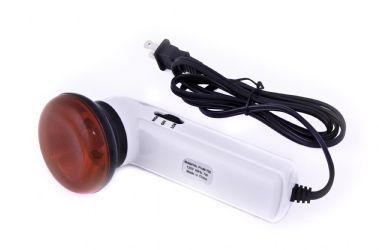
Introduction to Portable Red Light Therapy
Portable red light therapy devices use low-level light therapy (LLLT) and photobiomodulation (PBM) to reduce pain, inflammation, and promote healing by penetrating the skin and stimulating cellular energy production (ATP). These devices are widely used for arthritis, muscle recovery, joint pain, wound healing, and skin health.
This guide breaks down the best portable red light therapy devices based on specific medical needs and features to consider before purchasing, and answers frequently asked questions about their use and benefits.
What is portable red light therapy and how does it work?
Portable red light therapy is a non-invasive treatment that uses low-level light therapy (LLLT) to stimulate cellular activity, promote healing, and reduce inflammation. The 660nm red light targets surface-level skin conditions like acne and wrinkles, while 850nm near-infrared (NIR) light penetrates deeper to relieve muscle and joint pain. This therapy works by enhancing mitochondrial ATP production, improving circulation, and reducing oxidative stress in the body.
What are the benefits of portable red light therapy?
Portable red light therapy is used for a variety of health concerns, including:
- Pain relief – Helps manage arthritis, joint pain, and fibromyalgia
- Muscle recovery – Speeds up post-workout and injury recovery
- Neuropathy relief – Improves circulation and supports nerve regeneration
- Skin rejuvenation – Boosts collagen production and reduces wrinkles and acne
- Wound healing – Assists in post-surgical and injury recovery
How often should I use a portable red light therapy device?
For best results, most users follow this schedule:
- Pain relief and muscle recovery: 10-20 minutes per session, 3-5 times per week
- Skin health and anti-aging: 5-15 minutes per session, daily or every other day
- Neuropathy and circulation improvement: 10-15 minutes per session, 4-5 times per week
Is portable red light therapy safe?
Yes, red light therapy is considered safe and has no known serious side effects when used correctly. However:
- Avoid direct eye exposure (use protective goggles if necessary).
- Follow manufacturer instructions to prevent overuse.
- Consult a doctor before use if you are pregnant, have epilepsy, or take light-sensitive medications.
Who Can Benefit from a Portable Red Light Therapy Device?
1. Chronic Pain & Inflammation
We Recommend:
- Wavelengths: 660nm & 850nm
- Best For: Knee arthritis, joint pain, and inflammation
- FDA-Cleared
Pros:
- Ergonomic design wraps around the knee for targeted pain relief
- Dual-wavelengths for both surface and deep tissue treatment
- Adjustable settings for customized therapy
Cons:
- Specifically designed for knee pain, may not be as effective for other joints
- Requires consistent use for best results
2. Muscle Recovery & Sports Injuries
- Best for athletes and individuals recovering from muscle strain or surgery
- Clinical Evidence: Research has found can increase muscle mass gained after training, and decrease inflammation and oxidative stress in muscle biopsies.
We Recommend:
- Wavelengths: 660nm & 850nm
- Best For: Deep tissue healing, muscle recovery, and sports injuries
- Compact & Portable
Pros:
- High power output for deep penetration
- Compact and lightweight, making it easy to travel with
- Multiple wavelength settings for different levels of pain relief
Cons:
- Battery life may be limited for extended use
- Slightly more expensive compared to lower-powered models
3. Neuropathy & Circulation Issues
We Recommend:
- Wavelengths: 660nm & 850nm
- Best For: Neuropathy, circulation improvement, and nerve pain relief
- Handheld and Travel-Friendly
Pros:
- Handheld and lightweight, making it convenient for home use
- Adjustable heat settings enhance relaxation and pain relief
- Effective for nerve pain and improving circulation
Cons:
- Requires direct application, which may not be ideal for those with limited mobility
- Heat function may not be necessary for all users
4. Skin Rejuvenation & Wound Healing
- Best for collagen production, acne treatment, and post-surgical healing
- Clinical Evidence: Research has found that PBM can reduce inflammation in the brain, abdominal fat, wounds, lungs, and spinal cord.
We Recommend:
- Wavelengths: 660nm & 850nm
- Best For: Anti-aging, skin healing, acne treatment
- Portable Desktop Design
Pros:
- Hands-free operation for convenience
- Covers a larger treatment area than handheld devices
- Effective for skin health and surface-level pain relief
Cons:
- Requires a stable surface for proper use
- Less portable compared to handheld options
5. Advanced Multi-Wavelength Targeted Therapy
- Best for users seeking broader wavelength coverage and hands-free targeted treatment
- Clinical Evidence: Studies suggest that multi-wavelength PBM may support tissue repair, reduce inflammation, and improve overall treatment versatility by targeting different depths within the body.
We Recommend:
- Wavelengths: 480 nm, 630 nm, 660 nm, 810 nm, 830 nm, 850 nm, and 1064 nm
- Best For: Targeted pain relief, tissue recovery, skin health, and multi-depth treatment
- Compact Panel Design with Hands-Free Operation
Pros:
- Hands-free use for consistent, longer treatment sessions
- Broader wavelength coverage than typical handheld devices
- Compact size allows targeted use without needing a full-body panel
- More powerful output compared to most handheld devices
Cons:
- Less portable than small handheld units
- Requires a surface or mounting setup for optimal positioning
Frequently Asked Questions
Is portable red light therapy FDA-approved?
Yes, many portable red light therapy devices are FDA-cleared for pain management, muscle recovery, and skincare treatments. It is essential to choose an FDA-cleared device to ensure safety, efficacy, and proper medical-grade light intensity.
We Recommend:
- Wavelengths: 660nm & 850nm
- Best For: Lower back pain, muscle soreness, and inflammation reduction
How long does it take to see results with portable red light therapy?
Results depend on the condition being treated and the device power output.
- Pain relief: Users often notice reduced pain within a few sessions (2-4 weeks with consistent use).
- Muscle recovery: Post-workout soreness improves within 24-48 hours.
- Skin benefits: Studies show collagen production increases within 8-12 weeks with regular use.
Can I use red light therapy on my face?
Yes, 660nm red light therapy is commonly used for facial treatments. It helps with:
- Reducing acne and breakouts
- Boosting collagen production for anti-aging benefits
- Minimizing fine lines and wrinkles
For best results, use a portable red light therapy panel or a handheld wand designed for facial use.
How does red light therapy compare to infrared heat therapy?
Both therapies provide pain relief and muscle recovery, but they work differently:
- Red light therapy (600-850nm): Uses low-level light to stimulate cellular repair, improve circulation, and reduce inflammation without heat.
- Infrared heat therapy (above 850nm): Penetrates deeper into tissues using heat to promote blood flow and relax muscles.
Combination devices often provide the best of both therapies.
We Recommend:
- Wavelengths: 660nm & 850nm
- Best For: Abdominal, lower back, and joint pain relief
Final Thoughts
Portable red light therapy is a clinically proven, non-invasive solution for pain relief, muscle recovery, and skin health. When choosing a device, focus on FDA clearance, wavelength selection, and portability for the best results.
Resources:
Author:
Mike Price, OT, CIO/CMO
Co-Founder of Rehabmart and an Occupational Therapist since 1993. Mike has spent his professional career working in multiple areas of Occupational Therapy, including pediatrics, geriatrics, hand therapy, ergonomics and inpatient / outpatient rehabilitation. Mike enjoys writing articles that help people solve complex therapeutic problems and make better product choices.
Meet all of our experts here!










~3.jpg&maxheight=250&width=365&product_name=Medlight 630 Pro Hand Held Red Light Therapy "Medlight 630 Pro Hand Held Red Light Therapy")