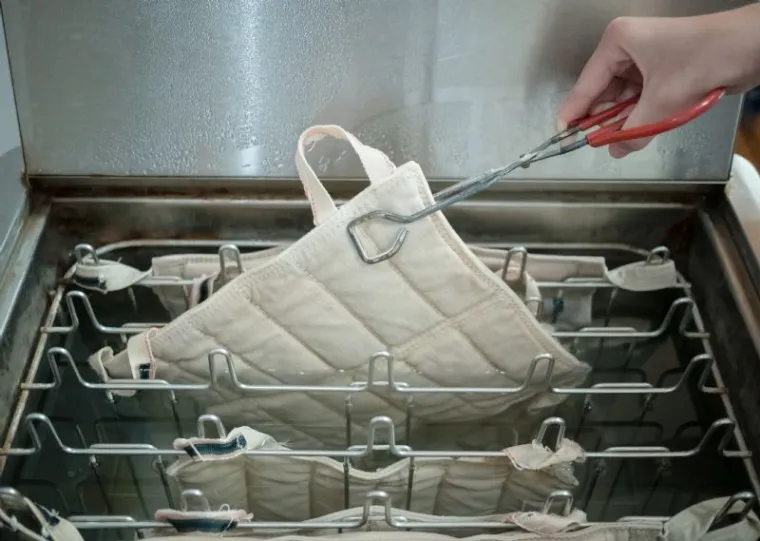
If you’ve ever been inside a physical therapy clinic, you’ve likely seen a stainless steel tank quietly heating packs in the corner. That’s a hydrocollator, and as a physical therapist, I can attest that it’s one of the most trusted tools in the rehab world. Whether you're managing chronic joint pain, preparing muscles for stretching, or running a busy rehab center, choosing the right hydrocollator can significantly affect your workflow and patient outcomes.
Hydrocollators are also referred to as moist heating units or hot pack warmers, and they're essential for storing and heating hot packs to a consistent therapeutic temperature. They’re used in hospitals, outpatient rehab, athletic training rooms, and increasingly for at-home therapy.
A hydrocollator keeps moist heat packs at a constant therapeutic temperature (160–170°F). These hot packs are used to increase circulation, reduce pain, and relax tight muscles before treatment or exercises.
There are generally two types:
Choosing the right hydrocollator is about more than just size; it’s about matching your clinic or home setup with the functional and safety features that ensure consistent, effective heat therapy. Here are the most important criteria to evaluate before making your decision:
One of the first things to assess is how many hot packs you’ll need ready at one time.
Having too few packs ready can bottleneck treatments and reduce throughput, especially when multiple therapists share one unit.
 | Hydrocollator M-4 Mobile Heating Unit View Product |
 | Small E-1 Tabletop Hydrocollator View Product |
Mobility also makes cleaning and draining the unit more manageable.
A hydrocollator’s ability to maintain optimal temperature (160–170°F) without wide fluctuations is essential for safe and effective therapy.
This is especially important in clinics with back-to-back patient sessions.
Most high-quality hydrocollators are made of stainless steel, and for good reason:
Avoid plastic or painted metal options, they're more prone to rust, staining, and cracking over time.
 | Hydrocollator SS-2 Mobile Heating Unit View Product |
Heat and water always require attention to safety. Look for hydrocollators with:
These features reduce risk to patients, staff, and equipment.
Easy maintenance is crucial for infection control and unit longevity. Consider:
In busy clinics, a hydrocollator with tool-free maintenance saves time and keeps workflows moving.
Most hydrocollators plug into standard 110V outlets in the U.S., but always double-check:
Some models may require 220V outlets in industrial or hospital-grade setups.
 | Hydrocollator M-2 Mobile Heating Unit View Product |
Hydrocollators are FDA Class I medical devices, which means:
If you're purchasing for a hospital, rehab clinic, or school, look for units that are FDA-listed and, if applicable, CE-marked for use in the EU. This ensures you meet both safety and insurance standards.
Moist heat penetrates deeper than dry heat and can improve mobility, reduce pain, and enhance tissue flexibility, making it ideal for arthritis, chronic pain, and orthopedic rehabilitation.
Packs should be stored for at least 30 minutes before use and can be kept there continuously for ongoing treatment throughout the day.
Units should be drained and disinfected every 2–4 weeks, depending on usage, to prevent bacteria buildup and mineral deposits.
Yes, smaller units like the Chattanooga E-1 are safe for home use if operated according to safety guidelines and under the advice of a healthcare provider.
Hydrocollators are a core investment for any clinic using heat therapy. By choosing the right model, based on volume, mobility, and build, you'll improve treatment efficiency and patient satisfaction. If you treat chronic pain, post-op rehab, or sports injuries, a quality hydrocollator is non-negotiable.
Remember to consult a licensed healthcare provider before using one at home.

Megan has been a part of Rehabmart since its inception nearly 20 years ago. For the past several years she has been enjoying her role as HR Director while maintaining her Physical Therapy license. When she isn't working on her next in-service or working to find a new team member, she enjoys her five children, helping those who have PT type ailments, baking, practicing yoga, and working out.