.png&maxwidth=760 "How to Choose the Best Red Light Therapy for Hair Loss")
Red light therapy for hair loss is becoming more popular as people look for non-invasive, drug-free ways to treat thinning hair. With growing online interest and more clinical studies, this therapy offers hope for men and women dealing with hair shedding or pattern hair loss. So, how does red light therapy help hair growth? Who can benefit, and what should you check before picking a red light device?
Red light therapy, also known as low-level light therapy (LLLT) or photobiomodulation, uses special wavelengths of visible red and near-infrared light. These lights stimulate cells in your scalp. Unlike ultraviolet or UV light, red light does not damage skin.
When you apply red light to your scalp, it sinks into your skin and is absorbed by hair follicle cells. Research shows this energy may:
Over time, these effects can help hair become thicker and fuller. Most clinical studies focus on androgenetic alopecia (male or female pattern hair loss), and results show modest but real improvements for many users.
 | Red Light Therapy LED Hat by Hooga | Multi-Wavelength Colorwave and Red/Near-Infrared Options View Product |
Red light therapy helps with:
Not all hair loss types respond well to this therapy. Scarring alopecia, where hair follicles are destroyed, usually does not improve. Red light devices are safe for most adults, but results depend on the type and duration of the hair loss as well as individual biology.
Most guidelines suggest using LLLT two to four times a week for several months. Results such as thicker hair, less shedding, and new growth often appear after 12–24 weeks.
 | Red Light Therapy Cap for Healthcare by BioMol View Product |
Always consult your healthcare provider first if you have any medical condition.
Example: Hooga Red Light Therapy LED Hat offers portable, even coverage using FDA-cleared technology.
| Red Light Therapy Cap for Healthcare by BioMol View Product |
Red light therapy is very safe when used correctly. Use only FDA-cleared devices for hair regrowth claims in the U.S. Side effects are rare but may include mild warmth or tingling.
 | Red Light Therapy Helmet by Hooga, 650 nm Wavelength, 96 Class II Lasers, Promotes Hair Growth View Product |
Yes. Clinical trials show red light therapy can improve hair thickness and density for people with pattern hair loss.
Red light boosts ATP production, improves blood flow, and reduces inflammation, helping follicles move into the growing phase.
The best device offers strong coverage, proper wavelengths, FDA clearance, comfort, and ease of use.
Yes. Both men and women with pattern hair loss can benefit, especially with early treatment.
Many studies show that quality home devices can work as well as clinical systems when used consistently with the correct wavelengths.
Red light therapy for hair loss is a promising, safe, and user-friendly option for pattern hair loss or mild thinning. You’ll get the best results by starting early and using it consistently. Choose a high-quality, clinically backed device, and always consult your healthcare provider for personalized advice.

Co-Founder of Rehabmart and an Occupational Therapist since 1993. Mike has spent his professional career working in multiple areas of Occupational Therapy, including pediatrics, geriatrics, hand therapy, ergonomics and inpatient / outpatient rehabilitation. Mike enjoys writing articles that help people solve complex therapeutic problems and make better product choices.






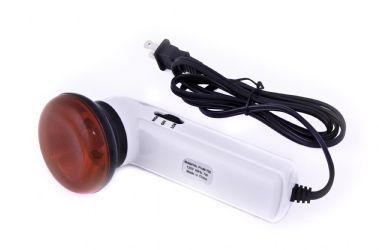
~3.jpg&maxheight=250&width=365&product_name=Medlight 630 Pro Hand Held Red Light Therapy "Medlight 630 Pro Hand Held Red Light Therapy")