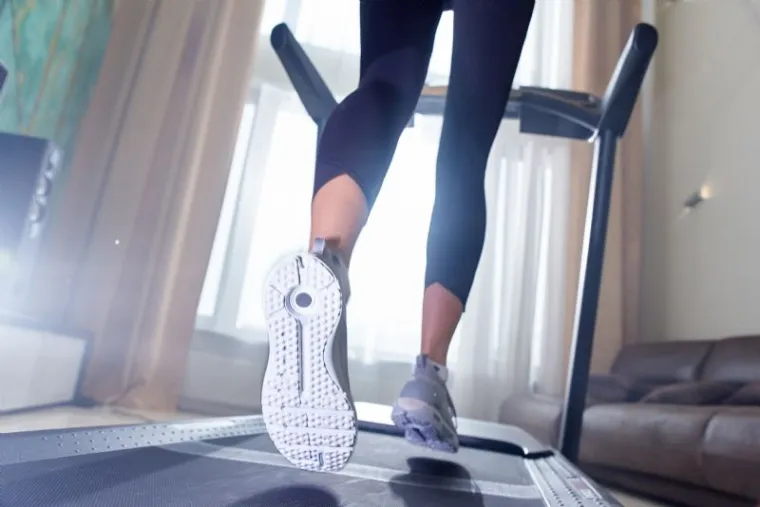
Shopping for home fitness equipment can quickly start to feel overwhelming. Size, speed, cushioning, and long lists of features make it difficult to know what truly matters. For many people, a treadmill is not about high-speed training but about having a reliable, comfortable way to stay active indoors, walk regularly, and maintain a steady movement routine throughout the week.
Choosing the right home treadmill often comes down to practical considerations that support general wellness or rehab-adjacent needs, especially since treadmill walking is commonly well tolerated across a wide range of fitness levels.
A home treadmill makes indoor walking or running more consistent. It provides a predictable surface and steady pace, without needing to adjust for weather or outdoor conditions.
Many people use home treadmills for everyday movement rather than intense workouts. They support simple routines that are easier to maintain indoors. Common uses include:
Home treadmills range from compact walking models to sturdier options for frequent use. For most people, the best choice is a treadmill that feels comfortable, stable, and easy to use day to day.
Walking-focused designs like the Endurance Cardio Walking Treadmill are often chosen for steady, lower-speed routines, while full-size home models such as the FastTrack Spirit Fitness XT685 Treadmill are built to support regular use with a more spacious deck and consistent performance.
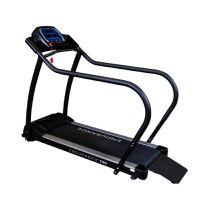 | T50 Endurance Cardio Walking Treadmill for Seniors by Body Solid View Product |
~1.jpg&newwidth=365&maxheight=200 "Commercial Spirit Fitness XT685 Treadmill") | Commercial Spirit Fitness XT685 Treadmill View Product |
People use home treadmills for different reasons, but many are simply looking for an option that makes walking easier to fit into everyday life. Treadmills are often chosen by people who prefer an indoor walking option or want equipment that can be used at a pace that feels manageable over time. Those who may find a home treadmill helpful include:
Having access to a treadmill at home may help support more consistent movement over time, and regular aerobic physical activity is associated with overall health benefits. Structured walking programs have also been shown to support confidence and long-term participation for people managing joint concerns, including arthritis.
Choosing a home treadmill is easier when you focus on how it will be used day to day. The right features depend less on performance extremes and more on comfort, consistency, and ease of use.
For people prioritizing simplicity or limited space, compact options can make daily walking easier to maintain. Portable walking treadmills like the LifePro PacerMini Portable Walking Treadmill are often used for light, indoor walking routines where space efficiency and ease of setup matter more than advanced performance features.
 | PacerMini Portable Treadmill for Home and Office with Two Incline Settings and Digital Display by Lifepro View Product |
Safety and comfort affect how natural and enjoyable a treadmill feels to use. Small design details can make walking feel steadier and easier to maintain over time. Key considerations include:
Together, these factors shape whether a treadmill feels approachable, comfortable, and easy to use regularly.
Home treadmills can also support movement throughout the day in more subtle ways. Machines like the Omni Desk TR1200B Under-Desk Treadmill Desk let people stay active while working, reading, or doing everyday tasks, making walking a seamless part of a broader activity routine.
 | Omni Treadmill Desk - Walk Comfortably While You Work View Product |
Walking is often recommended as a low-impact activity in rehabilitation and recovery settings. In some cases, home treadmills are used as part of clinician-guided exercise plans, especially when walking is introduced gradually or intended as an ongoing routine. In these situations, consistency and ease of use typically matter more than speed or intensity. Treadmills used for guided programs often work best when they offer:
As with any recovery-focused activity, treadmill use should follow guidance from a qualified provider.
For many, a home treadmill works best as one part of an overall activity routine rather than the only form of movement. Some people choose to combine treadmill walking with other types of exercise, such as seated equipment, stretching, or outdoor activity, depending on comfort, space, or personal preference.
Space and layout can also influence how a treadmill fits into your daily life. In smaller homes, a treadmill may be one of several tools used for movement, rather than the central focus. Thinking about how a treadmill complements other activities can help ensure it feels useful, flexible, and easy to maintain over time.
A home treadmill is a good fit if you want a reliable way to walk indoors at a steady, comfortable pace. Many people choose treadmills not for intense workouts, but to support regular movement that feels manageable. If outdoor walking is inconsistent due to weather, safety, or routine, a treadmill can provide a predictable surface that helps maintain consistency over time.
For walking, comfort and stability usually matter more than top speed or advanced programs. Smooth belt movement at low speeds, a stable deck, and easy-to-use controls tend to shape daily experience the most. Features like cushioning, gradual speed changes, and a walking surface that allows a natural stride can make the treadmill easier to use consistently, especially for longer or more frequent walking sessions.
Home treadmills are sometimes used as part of clinician-guided walking programs, particularly when walking is recommended as a low-impact activity. In these cases, treadmills that start slowly, adjust gradually, and operate predictably are often preferred. Simple controls and steady performance can help users follow guidance more comfortably, though treadmill use should always align with professional recommendations for individual needs.
Space needs depend on the treadmill’s size and how it will be used. Most models require enough room for safe mounting, walking, and clearance behind the belt. Compact treadmills may suit smaller spaces, while larger models offer more deck room. Considering ceiling height, nearby furniture, and noise impact can help ensure the treadmill fits comfortably into the home environment.
For many people, a treadmill works best as part of a broader movement routine rather than the only form of activity. Treadmill walking can complement stretching, seated exercises, or outdoor movement when possible. Using a treadmill flexibly, based on comfort and preference, often helps it remain a practical and sustainable tool rather than something that feels restrictive or repetitive over time.
The best choice often comes down to how the equipment will be used in your home and what you want it to do well. For many households, a treadmill should feel comfortable at walking speeds, be simple to operate, and fit naturally into the available space, which often matters more than flashy headline features.
When those basics align with your needs, a treadmill is more likely to feel comfortable, practical, and worth using, whether it’s part of a daily routine or used occasionally.

Co-founder/CEO of Rehabmart, Pediatric Occupational Therapist, husband, and father. Passionate about connecting special needs kids with superb nutrition, sensory integration, and complementary health strategies. Excited about Rehabmart's mission to become the premier online educational platform which empowers caregivers by spotlighting innovative devices and interventions to achieve optimal patient response and recovery.






~1.jpg&maxheight=250&width=365&product_name=Commercial Spirit Fitness XT685 Treadmill "Commercial Spirit Fitness XT685 Treadmill")


