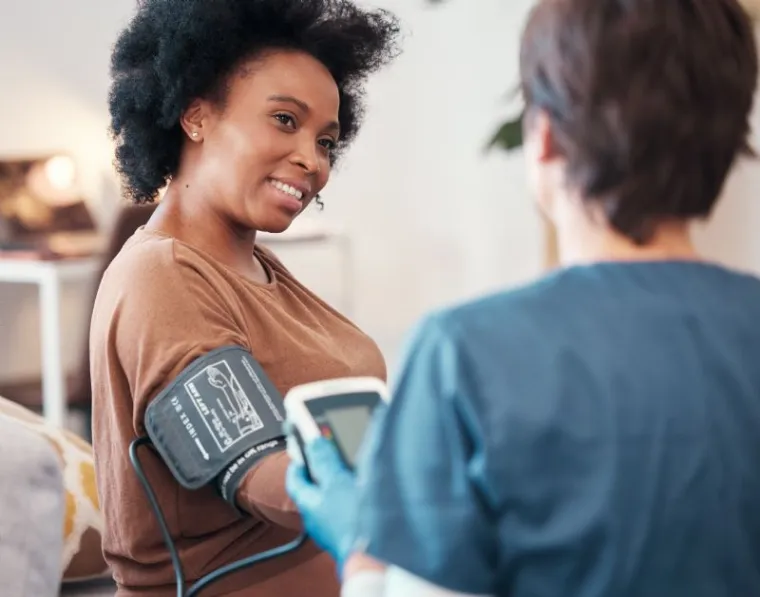
Blood pressure monitors are essential medical tools used to track cardiovascular health and manage conditions like hypertension. Regular monitoring at home allows individuals, caregivers, and healthcare professionals to detect early warning signs, evaluate treatment effectiveness, and prevent complications such as heart disease or stroke. With a wide range of models available, including digital, talking, and clinical-grade devices, choosing the right blood pressure monitor depends on the user’s medical needs, physical abilities, and environment.
A blood pressure monitor is a medical device used to measure the force of blood against the walls of the arteries. It provides readings for two values: systolic pressure (the pressure when the heart beats) and diastolic pressure (the pressure when the heart rests between beats). These readings help assess cardiovascular health and detect conditions such as hypertension, hypotension, and other circulatory issues.
There are two main categories of blood pressure monitors: manual (aneroid) and digital (automatic). Manual devices require the use of a stethoscope and are typically used by trained professionals. Digital monitors, on the other hand, automatically inflate and deflate the cuff and display readings on an electronic screen, making them more suitable for home use.
Choosing the right type of blood pressure monitor depends on your physical abilities, medical needs, and intended use. Below is a breakdown of the most common types of monitors, who they’re best suited for, and what makes them unique.
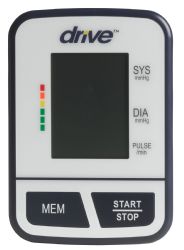
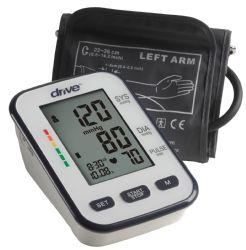
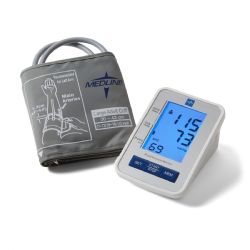
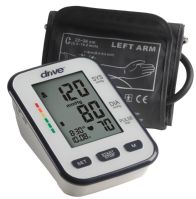 | Deluxe Automatic Upper-Arm Blood Pressure Monitor by Drive Medical View Product |
These are considered the gold standard for home monitoring due to their high accuracy. The cuff wraps around the upper arm and inflates either automatically or manually. Many upper arm monitors are clinically validated and recommended by healthcare providers. They are best for users who can sit comfortably with their arm supported and remain still during the reading.
Best for: General use, seniors, individuals managing hypertension.
The Deluxe Automatic Upper Arm Blood Pressure Monitor offers one-button operation and a large LCD display, ideal for seniors or those with visual impairments.
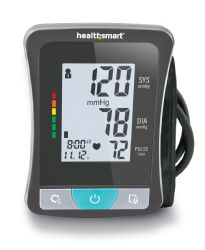
 | Automatic Forearm/Upper Arm Blood Pressure Monitor by HealthSmart View Product |
These advanced monitors include memory storage, multiple user profiles, date/time stamps, and often color-coded readings to indicate risk levels. Some models connect to mobile apps via Bluetooth or Wi-Fi to allow trend tracking and easy data sharing with healthcare providers.
Best for: Tech-savvy users, those managing chronic conditions, and caregivers monitoring multiple patients.
The Select Series Upper Arm Digital Blood Pressure Monitor provides memory for two users, a date/time stamp, and a color-coded risk indicator for easy interpretation.
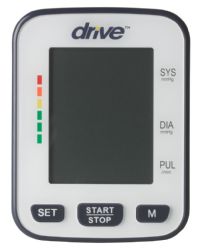
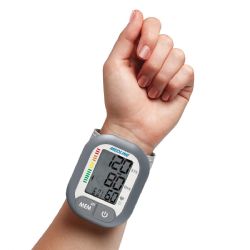
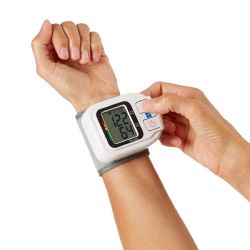
 | Digital Blood Pressure Monitor for Wrist by Medline View Product |
Wrist monitors are smaller and more portable than arm models. They are worn like a watch, with the cuff inflating around the wrist. While convenient, they are more sensitive to body position and movement, which can lead to inaccurate readings if not used correctly. These are only recommended when upper arm measurement is not possible.
Best for: Travel use, users with limited upper arm mobility, or those with large arms that don’t fit standard cuffs.
The Digital Blood Pressure Monitor by Medline offers reliable readings with minimal setup. Clear, easy-to-read screen and one-touch control.
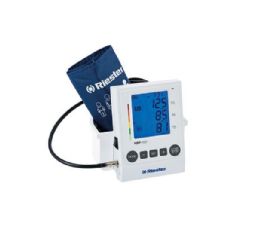
 | RBP-100 Digital Automatic Blood Pressure Monitors - 3 Styles View Product |
Some advanced models include built-in sensors that detect arrhythmias, such as atrial fibrillation. These alerts can help prompt a timely medical evaluation, although they are not diagnostic.
Best for: Users with known heart rhythm concerns or those at risk for cardiovascular complications.
The RBP100 Automatic Blood Pressure Monitor is suitable for intensive monitoring needs. Large cuff sizes and easy-to-use controls make it ideal for home care.
 | Upper-Arm Talking Blood Pressure Monitor View Product |
Talking monitors announce each step of the process and read out the results, making them ideal for users with low vision, cognitive impairments, or literacy challenges. Most also display readings on a large, easy-to-read screen.
Best for: Visually impaired users, seniors living alone, users with memory or cognitive concerns.
The Talking Blood Pressure Monitor has voice outputs in multiple languages, a large screen, and large buttons, excellent for accessibility.
 | Automatic Blood Pressure Monitor with Adult and Large Cuffs by Medline View Product |
Standard cuffs may not fit individuals with larger upper arms, leading to inaccurate results. Monitors with large or extra-large cuffs ensure a proper fit and consistent readings. Many models include both standard and large cuffs in the package or offer them as accessories.
Best for: Bariatric users, users with larger arm circumferences, and facilities serving diverse populations.
The Automatic Blood Pressure Monitor with Large Adult Cuff accommodates larger users with precision and comfort.
 | Blood Pressure Monitor Device with Large Display and Oscillometric Measurement Method View Product |
Lightweight and compact, these monitors are designed for ease of use on the go. Many are battery-powered and include carrying cases. While some sacrifice advanced features for portability, they still meet accuracy standards when properly calibrated.
Best for: Frequent travelers, mobile caregivers, users who want convenient monitoring on the move.
The Reliable Easy-to-Use Blood Pressure Monitor by MedPat BPR is compact and portable, with clinically validated accuracy.
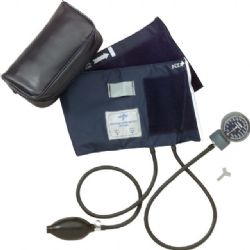
 | Mobile Aneroid Blood Pressure Monitor by Medline View Product |
These traditional devices require a stethoscope and manual inflation. While highly accurate, they demand training to use correctly. Some manual models are mounted on mobile stands, which are ideal for use in clinical, rehab, or bedside care environments.
Best for: Medical professionals, clinics, therapists, and caregivers with proper training.
The Mobile Aneroid Blood Pressure Monitor has a high-visibility dial, durable cart, and mobility, making this great for therapists, nurses, and caregivers.
Clinically validated upper arm monitors are widely considered the most accurate for home use. Devices that meet the standards of the Association for the Advancement of Medical Instrumentation (AAMI), the British Hypertension Society (BHS), or the European Society of Hypertension (ESH) are highly reliable.
Wrist monitors can be less accurate than upper arm monitors due to improper positioning or movement. However, when used exactly as directed, with the wrist at heart level and the body relaxed, some validated models can provide reasonably accurate readings. For individuals unable to use upper arm cuffs, they may be a viable alternative, but they should be chosen carefully and compared against upper arm readings for accuracy.
Blood pressure should be measured at the same times daily for consistency, typically once in the morning before eating or medication, and once in the evening. Avoid taking measurements immediately after exercise, caffeine, or stress. For the most accurate trend analysis, follow a regular schedule and keep a log of readings to discuss with your healthcare provider.
The cuff should be snug but not uncomfortable. You should be able to insert two fingers between the cuff and your arm. A cuff that's too loose or too tight can cause inaccurate readings. Choosing the correct cuff size based on your arm circumference is critical; many monitors now include cuffs for small, standard, or large arms.
Some advanced digital monitors can detect irregular heartbeats (arrhythmias), which may be an early sign of a cardiac issue. However, these devices are not diagnostic tools. Any alert from a blood pressure monitor should be followed up with a clinical assessment from a healthcare provider.
This can be due to “white coat hypertension,” user error, incorrect cuff placement, or differences in equipment. Ensure the monitor is positioned correctly, the cuff size is appropriate, and you are seated calmly for at least five minutes before measurement. Bringing your device to a clinical visit to compare readings can help verify its accuracy.
Most home monitors last 3–5 years with proper use. However, calibration should be checked annually. Some models may offer lifetime accuracy guarantees, but routine checks by a professional or the manufacturer are recommended, especially for people using the device daily.
Yes, but wait at least 1–2 minutes between readings to allow blood flow to normalize. Many healthcare professionals recommend averaging two or three consecutive readings for a more accurate assessment, especially if readings vary significantly.
Selecting a reliable blood pressure monitor is an important step in supporting long-term health and wellness. Whether managing chronic hypertension, recovering from a medical event, or monitoring age-related cardiovascular risks, having an accurate and easy-to-use device at home can improve health outcomes and enhance communication with healthcare providers. By understanding the various monitor types and choosing one that fits individual needs, users can take a proactive role in maintaining their cardiovascular health with confidence.

Co-founder/CEO of Rehabmart, Pediatric Occupational Therapist, husband, and father. Passionate about connecting special needs kids with superb nutrition, sensory integration, and complementary health strategies. Excited about Rehabmart's mission to become the premier online educational platform which empowers caregivers by spotlighting innovative devices and interventions to achieve optimal patient response and recovery.