Hydrotherapy tubs offer a clinically proven way to relieve pain, improve circulation, and support rehabilitation. Whether you're an individual managing chronic pain or a professional therapist treating patients, the right hydrotherapy tub can provide targeted relief through temperature-controlled water and therapeutic jets. In this guide, we break down the types of hydrotherapy tubs, what features to look for, and recommend top-rated models.
A hydrotherapy tub is a specially designed bath or tank that uses heated or cooled water, jets, and sometimes added aeration or vibration to treat medical conditions and support wellness. Hydrotherapy works by dilating blood vessels, relaxing muscles, and reducing inflammation, allowing patients to experience less pain and move more freely. These tubs are used both in clinical rehabilitation and at home to relieve symptoms associated with arthritis, fibromyalgia, post-operative rehabilitation, edema, poor blood flow, sports injuries, and muscle strains.
Hydrotherapy helps reduce inflammation, ease joint stiffness, and improve mobility. It is especially beneficial for individuals with rheumatoid arthritis, osteoarthritis, and fibromyalgia.
Controlled water therapy can support healing by increasing circulation, improving flexibility, and promoting safe movement during recovery.
Patients with multiple sclerosis, Parkinson’s disease, or cerebral palsy benefit from the low-impact environment and improved motor coordination facilitated by hydrotherapy.
Athletes use hydrotherapy tubs for hot water relaxation and cold water immersion to reduce muscle soreness, improve circulation, and accelerate soft tissue recovery.
When selecting a hydrotherapy tub, it’s important to evaluate features based on your clinical or personal use case. Below are some of those considerations:
Look for models with adjustable jets to target specific body areas. Variable speeds and flow control allow personalization for different patient sensitivities.
Tubs come in upper-body, lower-body, and full-body immersion styles. Choose based on the area of the body that needs treatment.
Consistent and safe water temperature is critical. Thermostatic controls help maintain therapeutic heat levels.
Mobile whirlpool tubs with locking casters and drainage hoses are ideal for clinics or therapy centers.
Look for medical-grade stainless steel or antimicrobial interiors. Easy-to-clean surfaces prevent infection in multi-user environments.
Hydrotherapy tubs come in several configurations, each designed to meet specific therapeutic goals, patient populations, and space requirements. Understanding the different types will help you choose the most suitable option for your clinical setting, athletic facility, or home-based recovery plan.
 | Mobile Extremity WhirlPool View Product |
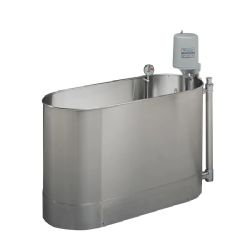
These compact units are designed for localized treatment of the hands, feet, forearms, or lower legs. They are commonly used in occupational therapy or wound care settings.
 | Slant Back Mobile and Stationary Stainless Steel WhirlPool Hydrotherapy Tanks View Product |
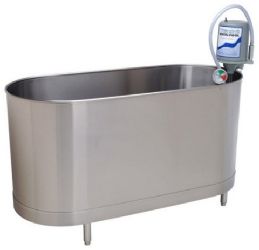
These larger tubs allow full immersion of the body and are often equipped with multiple jet placements for total-body therapy. They are frequently used in rehabilitation hospitals, pain clinics, and athletic recovery centers.
 | Lo-Boy Series WhirlPool View Product |
These tubs vary in depth and are mounted on mobile platforms with wheels, making them highly versatile. The Hi-Boy style offers a deeper basin for lower body immersion, while Low-Boy tubs are more manageable for patients to step into.
 | Stationary Hi-Boy WhirlPool View Product |
These are permanent fixtures typically installed in rehab hospitals, sports complexes, or aquatic therapy centers. They allow for group sessions or specialized therapy protocols and can be equipped with lifts or slings for bariatric or non-ambulatory patients.
Note: In-ground tubs require professional installation and more space but offer advanced customization and accessibility.
 | Ice Bath with Chiller - Fiberglass for Home and Commercial Use - White from Dreampod View Product |
These tubs are explicitly designed for contrast therapy, alternating between hot and cold treatments. Athletic trainers, physical therapists, and recovery specialists favor them for managing inflammation, swelling, and muscle fatigue.
Look for models with separate compartments or dual-zone temperature controls for contrast therapy efficiency.
Hydrotherapy tubs are used to relieve pain, reduce inflammation, and promote healing in a variety of medical conditions. Common applications include arthritis, injury recovery, and mobility impairments.
Yes. Many hydrotherapy tubs are designed for home use, especially those for limb immersion. Always consult your healthcare provider if you have chronic conditions.
Regular maintenance includes cleaning the tub surfaces, sanitizing the jet system, and ensuring proper water chemistry to prevent buildup and ensure optimal performance.
Unlike standard bathtubs, hydrotherapy tubs feature built-in jets that create massaging water movements, offering therapeutic benefits beyond basic bathing
While some models may be suitable for DIY installation, professional installation is often recommended to ensure proper setup, safety, and adherence to local building codes.
Prices vary widely based on features, size, and brand, ranging from a few hundred to several thousand dollars.
Some insurance plans may cover hydrotherapy tubs if prescribed. Documentation of medical necessity is usually required.
Yes. Mobile whirlpool tubs like the Whitehall models above are commonly used in clinics and therapy practices for targeted treatment.
Hydrotherapy tubs are powerful tools for both home and clinical rehabilitation. Whether you're managing arthritis, healing from surgery, or working with patients as a therapist, choosing a tub with the right features can make all the difference in outcomes. Be sure to select a tub that meets your therapeutic goals, space limitations, and hygiene needs.

Co-founder/CEO of Rehabmart, Pediatric Occupational Therapist, husband, and father. Passionate about connecting special needs kids with superb nutrition, sensory integration, and complementary health strategies. Excited about Rehabmart's mission to become the premier online educational platform which empowers caregivers by spotlighting innovative devices and interventions to achieve optimal patient response and recovery.