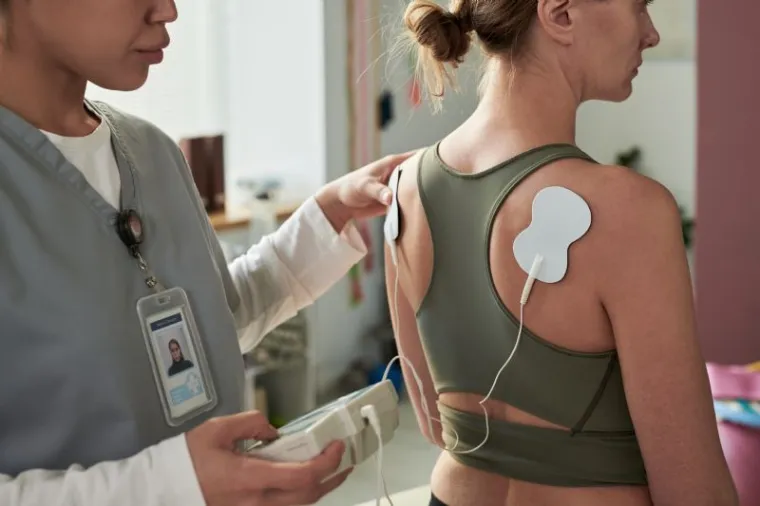
Transcutaneous Electrical Nerve Stimulation (TENS) is a well-established therapy for managing pain without drugs. But to get the most from your treatment, it's crucial to understand how to place and care for your TENS unit pads correctly. We’ll break down what you need to know, including why buying bulk Pepin Electrodes is a great option to save money.
Correct TENS unit pad placement determines how well the electrical current reaches the targeted nerves. Misplaced electrodes can lead to ineffective sessions or even discomfort.
.jpg&newwidth=365&maxheight=200 "Advantrode Essential Electrodes for Medical Devices by Pepin Electrodes") | Advantrode Essential Electrodes for Medical Devices by Pepin Electrodes View Product |
Among the many electrode options, Pepin Electrodes offer clinical-grade quality for home and professional users. They stand out due to their medical-grade hydrogel, consistent current distribution, and skin-friendly materials.
Avantrode Elite Silver Pepin Electrode – Ideal for back, shoulder, and leg use
~43.jpg&newwidth=365&maxheight=200 "Advantrode Elite Electrodes - Tens Silver Electrode Pads") | Advantrode Elite Electrodes - Tens Silver Electrode Pads View Product |
Well-maintained pads provide more effective stimulation and reduce waste. With correct care, reusable TENS unit pads like those from Pepin can last up to 30 sessions.
 | AdvanTrode Elite Silver Coated Tan Spunlace Electrodes View Product |
Reusable pads like Pepin’s last around 20–30 uses with proper care.
Yes. High-quality pads like Pepin Electrodes are designed to be reused multiple times.
Avoid placing pads on the front of the neck, over the eyes, on broken skin, or directly over the heart. Many TENS unit pads come pre-shaped for whatever body part you need to place the pad on.
 | AdvanTrode Elite Back Therapy Silver Coated Butterfly Foam Electrodes View Product |
Loss of adhesion is typically due to dried hydrogel or improper storage. Rehydrating may help temporarily, but replacement is often needed.
Pepin Electrodes are latex-free and hypoallergenic, making them one of the best options for sensitive users. Some models even have the adhesive gel built in for those allergic to traditional adhesive compounds.
 | AdvanTrode Elite Silver Coated Blue Gel Electrodes View Product |
Where Can I Buy Bulk TENS Unit Pads?
Our Pepin Electrode collection offers a wide variety of shapes and sizes for your specific needs, all at an economical bulk price. You can enjoy the copper and silver-infused electrodes without worrying about running out in your home or clinic.
Proper use of TENS unit pads is essential for achieving pain relief from conditions like arthritis, back pain, and nerve compression. Always follow professional guidelines for pad placement and invest in quality electrodes that won’t irritate your skin or deliver uneven current. Pepin Electrodes are a top recommendation for their clinical performance, skin safety, and longevity.

Megan has been a part of Rehabmart since its inception nearly 20 years ago. For the past several years she has been enjoying her role as HR Director while maintaining her Physical Therapy license. When she isn't working on her next in-service or working to find a new team member, she enjoys her five children, helping those who have PT type ailments, baking, practicing yoga, and working out.





~43.jpg&maxheight=250&width=365&product_name=Advantrode Elite Electrodes - Tens Silver Electrode Pads "Advantrode Elite Electrodes - Tens Silver Electrode Pads")


.jpg&maxheight=250&width=365&product_name=Advantrode Essential Electrodes for Medical Devices by Pepin Electrodes "Advantrode Essential Electrodes for Medical Devices by Pepin Electrodes")


