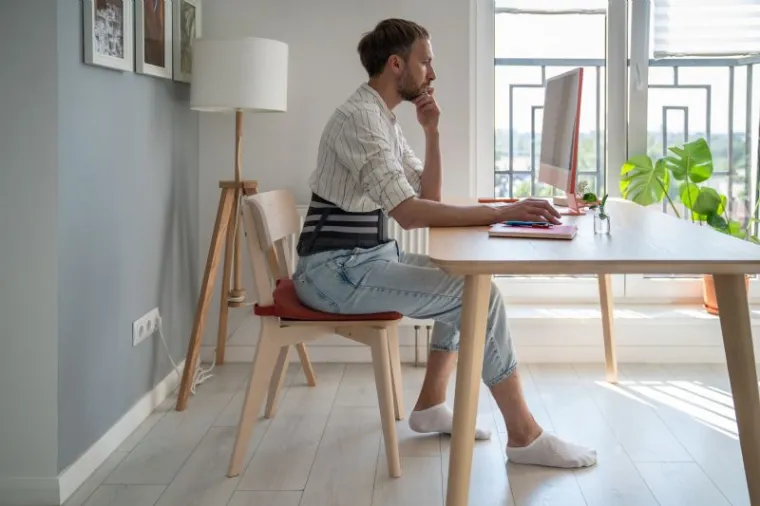
A back brace can help support better posture by keeping the shoulders and spine in a healthier position. Many people use one when they notice slouching, muscle fatigue, or discomfort from long periods of sitting or standing. Before wearing a brace, it helps to understand how it should fit and how long to use it each day. Most posture braces are flexible or semi-rigid and work best when they fit snugly and feel comfortable.
A posture brace should feel supportive without limiting breathing or everyday movement. Begin by loosening the straps and placing the brace across the upper back. Slowly tighten the straps until you feel a gentle corrective pull, not forceful pressure. When used consistently and paired with light exercises, a brace can help reinforce proper alignment habits, even when it is not being worn.
The Backaline Posture Support is designed for everyday use and gently encourages better alignment without feeling stiff or restrictive. It can be worn under clothing and provides subtle reminders to maintain better posture throughout the day.
 | Back-A-Line Back Support Belt View Product |
The Adjustable Posture Corrector for Back and Shoulder Support offers a customizable fit to help improve posture throughout the day. Its adjustable straps allow you to find a comfortable level of support while encouraging proper shoulder and spine alignment. Lightweight and easy to wear under clothing, it works well for daily use during activities like working, sitting, or walking.
 | Back and Shoulder Support for Posture Correction with Lightweight and Breathable Design View Product |
Most people benefit from wearing a posture brace for short, consistent periods instead of long, continuous sessions. The goal is to support healthier alignment without letting the brace do all the work for your muscles. Comfort, daily activities, and your doctor’s guidance will help determine the right amount of time. Braces with soft padding or breathable fabric can make longer wear more comfortable, especially during work or school hours.
Many people choose to wear a brace during activities that challenge their posture, rather than all day. It should gently encourage you to sit or stand taller without pulling the shoulders too far back. Taking the brace off every few hours allows the skin to breathe and helps reduce the risk of irritation.
A posture brace can offer steady support when used the right way. Choosing one that fits well and feels comfortable can make it easier to wear as part of a daily routine. When combined with good posture habits, a brace may help reinforce healthier alignment over time. If discomfort develops or symptoms worsen, it is important to speak with a healthcare provider to determine whether continued use is appropriate.

Megan Smith, PT, ED of Human Resources & PEO Services
Megan has been a part of Rehabmart since its inception nearly 20 years ago. For the past several years she has been enjoying her role as HR Director while maintaining her Physical Therapy license. When she isn't working on her next in-service or working to find a new team member, she enjoys her five children, helping those who have PT type ailments, baking, practicing yoga, and working out.