
For many children and adults with attention difficulties, traditional seating can be a major barrier to focus and productivity. Wobble chairs, also known as active seating, offer a dynamic solution that allows movement while sitting, promoting engagement, concentration, and core strength.
Scientific research supports the benefits of movement-based seating for individuals with ADHD, sensory processing disorders, and general restlessness. This article explores how wobble chairs work, their clinical benefits, and how to choose the right one for your needs.
A wobble chair is an ergonomic seat designed to encourage active sitting by allowing slight movement in all directions. Unlike traditional rigid chairs, these chairs feature a rounded or slightly unstable base, which prompts continuous micro-movements that enhance posture, focus, and circulation.
Research Insight: Studies indicate that movement-based seating improves concentration in students with ADHD. According to a study published in Research Gate, children who engaged in movement while working showed increased task completion and improved focus compared to those in standard chairs.
Why It Works: The subtle movements prevent cognitive overload by allowing energy release, which keeps the brain engaged.
Research Insight: Occupational therapists recommend dynamic seating to activate core muscles and prevent slouching. Studies found that active sitting reduces the risk of musculoskeletal pain by engaging in stabilizing muscles.
Why It Works: Unlike stationary chairs, wobble chairs require continuous micro-adjustments that strengthen the core and lower back.
Research Insight: Sensory integration research suggests that controlled movement helps regulate the nervous system, making wobble chairs effective for children with sensory processing challenges.
Why It Works: Wobble chairs provide vestibular stimulation, which helps calm or alert the body, depending on the user’s needs.
Research Insight: A study at Thomas Jefferson University found that incorporating flexible seating in classrooms led to significant increases in student engagement.
Why It Works: Allowing movement prevents discomfort and cognitive fatigue, leading to higher engagement and learning retention.
When selecting a wobble chair, consider the following key features:
 | Wobble Stool for Kids and Adults, Height Adjustable with Anti-Skid Base View Product |
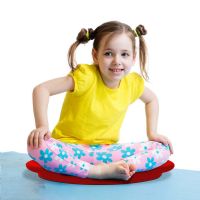 | Kore Design Floor Wobbler Balance Disc View Product |
Kore Design Wobble Chairs for Kids
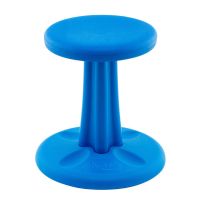 | Kore Design Wobble Chairs for Kids View Product |
Sit to Stand Wobble Chair - Everyday Use - Kore Design
 | Sit to Stand Wobble Chair - Everyday Use - Kore Design View Product |
Wobble Chairs with Adjustable Height and Round Bottom
 | Wobble Chairs with Adjustable Height and Round Bottom View Product |
Kore Design Height-Adjustable Wobble Chairs for Teens and College Students
 | Kore Design Height-Adjustable Wobble Chairs for Teens and College Students View Product |
Yes! Research suggests that controlled movement aids attention and self-regulation for individuals with ADHD.
Absolutely. Many office workers and adults benefit from improved posture and focus while using an active seat.
Yes, but ensure the chair height is appropriate and the base is slip-resistant.
Wobble chairs are more than just a trendy seating option—they are clinically supported tools that improve focus, posture, and engagement. Whether for a classroom, office, or home setting, these chairs provide a simple yet effective solution for active sitters.

Megan has been a part of Rehabmart since its inception nearly 20 years ago. For the past several years she has been enjoying her role as HR Director while maintaining her Physical Therapy license. When she isn't working on her next in-service or working to find a new team member, she enjoys her five children, helping those who have PT type ailments, baking, practicing yoga, and working out.