
If you're deciding between cryotherapy vs cold plunge for pain relief, inflammation, or athletic recovery, understanding the clinical differences between these cold therapy modalities is essential. While both rely on cold exposure to trigger healing responses, they serve very different purposes in physical therapy and sports medicine. We’ll walk you through how each therapy works, what conditions they treat best, and which FDA-registered equipment can help you or your patients achieve optimal results.
Cryotherapy uses extremely cold air (as low as -250°F) delivered through machines or chambers for short, intense treatments. It targets inflammation, nerve pain, and recovery in localized or full-body applications.
Cold plunges, on the other hand, involve full-body immersion in cold water (typically 39°F to 59°F) for longer durations. This therapy promotes muscle recovery, lymphatic drainage, and stress relief.
Both therapies use cold exposure but differ in mechanism, temperature, and application style.
Cryotherapy is a clinical cold therapy method that uses extremely cold air, often between -110°F and -250°F, to reduce pain, inflammation, and muscle spasm. It is often used by rehabilitation professionals and sports medicine providers in one of the following ways:
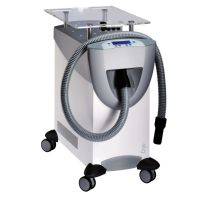 | Portable Cryotherapy Machine - Cryo 6 From Zimmer View Product |
Patients recovering from ACL reconstruction, rotator cuff repair, or joint replacements benefit from targeted cryotherapy to manage post-op swelling and pain. The Zimmer Cryo 6 Cryotherapy Device is ideal in clinical settings for this purpose. It delivers continuous, cold air without the need for ice or nitrogen, allowing for safe, repeatable application.
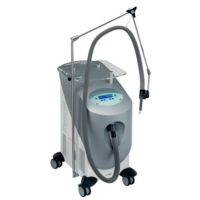 | Portable Cryotherapy Machine With Adjustable Parameters - Cryo Mini View Product |
Peripheral nerve pain (e.g., sciatica, carpal tunnel syndrome) responds well to the Zimmer Cryo Mini, a compact air-cooled unit designed for precision treatment of small joints and areas prone to overuse injuries like the wrists or ankles.
 | Cryogenic Chamber for Whole-Body Cryotherapy Treatments | CryoStar Antarctica, Nitrogen or Electric View Product |
For systemic inflammatory conditions such as fibromyalgia, rheumatoid arthritis, or chronic fatigue, whole-body cryotherapy (WBC) has been shown to decrease pro-inflammatory cytokines and support nervous system regulation. The CryoStar Antarctica Whole Body Chamber allows patients to undergo 2–3 minute sessions of sub-zero exposure, stimulating endorphins, vasoconstriction, and cellular repair.
Cold plunge therapy (also known as cold water immersion) involves full or partial immersion in cold water (typically 39°F–59°F) to initiate systemic responses like vasoconstriction, muscle relaxation, and dopamine elevation. It’s often used after workouts or as part of contrast therapy for lymphatic flow.
 | NordPod Cold Plunge Tub for Muscle Recovery and Inflammation Relief, Portable Ice Bath by Lifepro View Product |
Cold plunges reduce delayed onset muscle soreness after intense exercise or physical therapy sessions. The NordPod Cold Plunge Tube is a space-efficient solution used by athletes and physical therapy clients to promote muscle recovery at home.
 | Cold Therapy Tank with 90 Gallon Capacity by Whitehall Manufacturing View Product |
The Whitehall 90-Gallon Cold Tank is commonly used in rehab centers for hydrotherapy protocols that require precise water temperatures and ergonomic immersion. Patients with lymphedema or poor peripheral circulation benefit from repeated immersion to stimulate lymphatic drainage.
 | Floatation Tank with Chiller Option | Ice Bath Flex Black from Dreampod View Product |
Cold immersion has been shown to activate brown fat metabolism, boost dopamine, and increase parasympathetic tone. For mental health and sleep support, spa and wellness centers often use the Dreampod Ice Bath Flex, which includes a built-in filtration and chiller system for continuous cold exposure, so no ice is needed!
 | Cold Plunge Tanks from Whitehall - 110 Gallons View Product |
For sports teams and high-volume therapy settings, the Whitehall 110-Gallon Cold Tank allows clinicians to rotate users through longer sessions. It’s especially useful in managing full-body inflammation in cross-training or return-to-play protocols.
Here’s how these two modalities compare in real-world clinical scenarios:
Cryotherapy machines are more effective for localized treatment of inflamed joints, surgical recovery, and nerve pain due to their extremely low temperatures and targeted application.
Cold plunges are ideal for general post-workout recovery and full-body relief from DOMS. They are also beneficial for psychological restoration, such as stress relief and improved sleep.
Whole-body cryotherapy is faster (2–3 minutes) but requires specialized equipment. Cold plunges provide broader physiological effects over a longer period (10–15 minutes) with lower startup costs.
Cryotherapy machines, especially WBC chambers like the CryoStar Antarctica, come with high upfront costs but deliver clinical precision. Cold plunge tubs like the Ice Barrel or Dreampod offer a simpler setup and maintenance, suitable for home or boutique wellness centers.
Effectiveness depends on your goals. Cryotherapy is more effective for targeted inflammation, acute pain, and nerve-related issues. Devices like the Zimmer Cryo 6 deliver concentrated cold airflow for joint or muscle injuries.
Cold plunges, like the Ice Barrel 500 or Dreampod Ice Bath Flex, are superior for muscle soreness, whole-body fatigue, and mental recovery post-exercise. Clinical studies show both modalities reduce inflammation but act via different physiological pathways.
Cold plunge therapy is generally better for exercise recovery, especially in athletes experiencing DOMS (Delayed Onset Muscle Soreness). Hydrostatic pressure and immersion stimulate circulation and muscle repair.
Cryotherapy, however, is preferred in healthcare and rehabilitation clinics for reducing localized swelling, post-surgical inflammation, or managing neuropathic pain. The best results often come from combining both methods in a structured recovery program.
Always consult a healthcare provider before starting cold therapy, especially if you have cardiovascular conditions or circulatory disorders.
Yes. Both therapies are safe when used correctly, but may pose risks for certain individuals:
Use medical-grade equipment such as the CryoStar Antarctica Chamber or Whitehall Cold Tanks to ensure safety and temperature regulation. Always follow manufacturer and provider guidance.
Both cryotherapy and cold plunge therapy are backed by clinical evidence and widely used in rehabilitation, sports medicine, and wellness programs. Your choice should depend on your clinical goals, access to equipment, and whether you’re seeking targeted relief (cryotherapy) or systemic restoration (cold plunge).
Localized cryotherapy devices like the Zimmer Cryo 6 or Cryo Mini may offer the best outcomes for acute joint injuries, post-operative swelling, or chronic pain. For athletes, spa owners, or biohackers seeking full-body recovery, options like the Dreampod Ice Bath Flex or Whitehall Cold Tanks provide unparalleled versatility and comfort.
For patients, athletes, and wellness professionals, choosing the right modality means understanding not just the science but also your individual recovery needs and therapeutic goals. Consult with a licensed healthcare provider whenever possible to determine the safest and most effective option for your condition.

Jessi Cottrell is a Registered Nurse, copywriter, mother, and avid book reader. Her nurse background includes emergency medicine, psych & trauma, orthopedic surgery, addiction detox & rehabilitation, and school nursing. She has a passion for finding non-pharmacological methods to treat pain. This passion is fueled by her experience in addiction medicine as well as her own experiences with pain management after various surgeries.





.jpg&maxheight=250&width=365&product_name=Cold Plunge Barrel - Flex Black from Dreampod "Cold Plunge Barrel - Flex Black from Dreampod")


