
Neuromuscular stimulation (NMES) technologies continue to evolve as more individuals, clinicians, and performance professionals look for supportive ways to enhance movement, muscle engagement, and recovery. Whether used in structured rehabilitation programs or as part of ongoing wellness routines, these devices are designed to deliver targeted electrical or electromagnetic input to the body. This input may assist with muscle activation, circulation, and overall neuromuscular awareness, helping users stay engaged in their recovery or performance goals.
For people navigating injury recovery, chronic conditions, or reduced mobility, neuromuscular stimulation devices, including NMES therapy, can serve as a valuable complement to traditional therapies. NMES treatment, in particular, is often used to help encourage muscle contraction when voluntary activation is limited or difficult. This may support maintaining muscle engagement during periods of inactivity and can be integrated into broader rehabilitation plans under professional guidance. At the same time, athletes and active users often incorporate these systems to support recovery between training sessions. Many of these technologies are also used by healthcare professionals in clinical settings, where consistency, adjustability, and ease of use are important considerations.
This guide explores a range of neuromuscular stimulation devices, showcasing their benefits and how they can support medical rehabilitation and enhance performance training. Each machine offers a distinct approach, allowing users to find a solution that aligns with their specific needs and preferences.
The Pace XL NMES Rehabilitation Device is designed for use in clinical rehabilitation environments as well as structured home programs. As a neuromuscular electrical stimulation (NMES) device, it delivers electrical impulses through surface electrodes to stimulate muscle contractions. NMES is commonly used in rehabilitation settings to support muscle activation when voluntary movement is reduced, helping maintain neuromuscular communication during recovery.
 | Functional Electrical Stimulation and Neuromuscular Electrical Stimulation Device - Pace XL by Neuro Rehab Recovery View Product |
The device operates by sending controlled electrical signals to targeted muscle groups. These signals mimic the communication between the brain and muscles, encouraging contraction even when voluntary movement may be limited. This can be especially relevant for individuals recovering from injury or neurological conditions where muscle activation is reduced. NMES may also help promote muscle re-education by reinforcing contraction patterns and supporting the body’s ability to respond to movement signals over time.
Compared to more basic stimulation units, the Pace XL is designed with rehabilitation-focused functionality in mind. It emphasizes controlled delivery and adaptability, allowing clinicians and users to tailor sessions based on individual tolerance and goals. This level of customization helps support a more structured and consistent therapy experience.
The Sys Stim 240 Neuromuscular Stimulator is a versatile device used in both clinical and home settings. It falls within the category of NMES and TENS-based systems, offering multiple modes that allow users to address different therapeutic goals within a single unit.
 | Sys Stim 240 Neuromuscular Stimulator View Product |
This device works by delivering electrical impulses through electrodes placed on the skin. Depending on the selected mode, it may support muscle contraction or provide sensory-level stimulation. NMES therapy is often used to assist with muscle re-education and maintaining neuromuscular responsiveness, particularly in structured rehabilitation programs where gradual re-engagement is a priority.
What sets the Sys Stim 240 apart from more limited devices is its multi-mode capability. Instead of requiring separate units for different types of stimulation, users can access a variety of programs within one system. This makes it a practical option for at-home users or facilities looking for flexibility without unnecessary complexity.
The Amrex SpectrumMicro-1000 is a microcurrent stimulation device designed for precise, low-level electrical delivery. Unlike traditional NMES systems that produce visible muscle contractions, microcurrent devices operate at much lower intensities. This approach is often used in applications where subtle stimulation is preferred.
 | Microcurrent Machine for Neuromuscular Stimulation, Includes Pads & Probe, Rechargeable, 24k Gold-Plated Electrodes, Amrex SpectrumMicro-1000 by Fabrication Enterprises View Product |
The device works by delivering microcurrent signals that are closer in intensity to the body’s natural electrical activity. These signals are applied through electrodes and are typically below the threshold of sensation for many users. Because of this, the experience is often described as gentle and non-invasive.
While NMES focuses more on visible muscle contraction and neuromuscular activation, microcurrent stimulation takes a different approach by working at a cellular level of electrical signaling. This makes it a complementary option within the broader neuromuscular stimulation space rather than a direct replacement.
One of the key distinctions of the SpectrumMicro-1000 is its focus on precision. It provides consistent, controlled output, which may be beneficial in professional settings where accuracy is important. Compared to conventional neuromuscular stimulation devices, it offers an alternative for users who may not tolerate higher-intensity stimulation.
The NovoPulse PEMF Joint Wellness System introduces a different approach within the broader category of neuromuscular stimulation devices. Instead of electrical impulses delivered through electrodes, this system uses pulsed electromagnetic field (PEMF) technology to interact with the body.
PEMF systems generate electromagnetic waves that are applied to targeted areas. These pulses are designed to penetrate tissues without direct skin contact, offering a non-invasive method of stimulation. This technology is often incorporated into wellness routines, rehabilitation programs, and sports recovery strategies.
 | NovoPulse PEMF Joint Wellness System: Professional Remote Therapeutic Monitoring Model for Transcutaenous Electrical Joint Stimulation View Product |
Unlike NMES therapy, which focuses on directly stimulating muscle contraction, PEMF systems work without requiring muscle activation through electrical pulses. This makes it a distinct modality that some users prefer for comfort and ease of use.
What differentiates the NovoPulse system is its non-contact delivery method. There is no need for electrode placement, which can make setup simpler and more comfortable for some users. This can be especially useful in cases where repeated application is needed.
The NeuX NXPro Interactive Neuromuscular Stimulation System is designed to integrate stimulation with active movement. This system is often used in both rehabilitation and sports performance environments, where coordination and engagement are key components of progress.
 | NeuX NXPro Interactive Neuromuscular Stimulation System for Muscle Activation Recovery and Performance Training, 50 to 250 Hz View Product |
The device works by synchronizing electrical stimulation with voluntary muscle activity. Sensors detect movement, and the system delivers stimulation in response, creating an interactive experience. This approach encourages users to actively participate in their sessions rather than remaining passive.
What sets the NXPro apart is this interactive functionality. Traditional neuromuscular stimulation devices typically deliver pre-set or continuous stimulation, whereas the NXPro adapts in real time. NMES principles are incorporated in a more dynamic format, supporting functional movement patterns rather than isolated stimulation alone.
Neuromuscular stimulation devices are used across a wide range of scenarios, from structured rehabilitation programs to ongoing athletic conditioning. NMES therapy is often incorporated into recovery plans to help maintain muscle activation and support neuromuscular communication when voluntary movement is limited or inconsistent. In sports settings, these devices are frequently used to complement training recovery routines, while in clinical environments, they may support structured re-education of movement patterns.
Choosing the right neuromuscular stimulation device comes down to understanding your specific goals, comfort preferences, and environment. From traditional NMES therapy-based systems to microcurrent and PEMF technologies, each option offers a unique approach to supporting movement, recovery, and overall physical engagement.
These devices are not one-size-fits-all solutions, but they can play a meaningful role in helping individuals stay connected to their rehabilitation or wellness routines. Whether used independently or as part of a broader care plan, they are designed to support consistency, encourage participation, and reduce barriers to movement.
By exploring the differences between these neuromuscular stimulation devices, users and professionals alike can make more informed decisions that align with their needs. With the right approach, these tools can contribute to a greater sense of independence, confidence, and control in daily life.
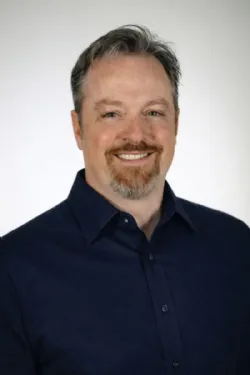
Co-Founder of Rehabmart and an Occupational Therapist since 1993. Mike has spent his professional career working in multiple areas of Occupational Therapy, including pediatrics, geriatrics, hand therapy, ergonomics and inpatient / outpatient rehabilitation. Mike enjoys writing articles that help people solve complex therapeutic problems and make better product choices.







.jpg&maxheight=250&width=365&product_name=Amrex MS324 Stimulator Units "Amrex MS324 Stimulator Units")


