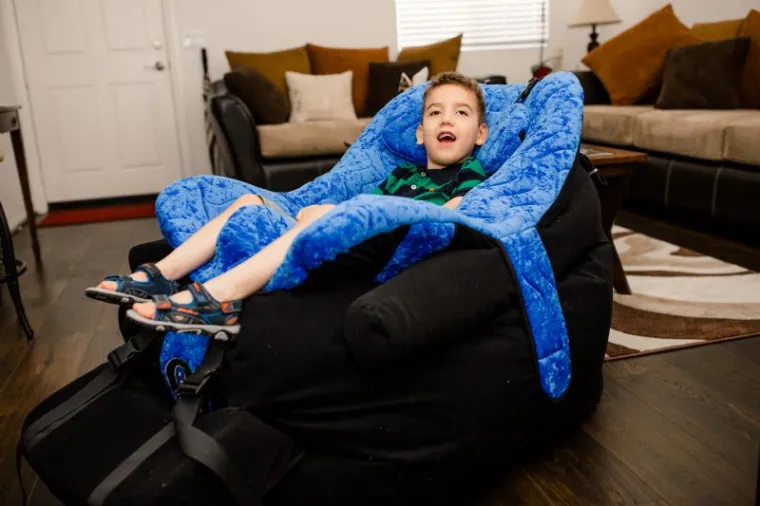
Seating affects how students feel, focus, and take part in learning. For students with sensory needs, attention challenges, or physical support needs, standard classroom chairs do not always provide enough comfort or stability. Some students need more structure to feel calm and ready to learn.
The P-Pod sensory seating system is often used in therapy spaces, but it can also support learning in special needs and inclusive classrooms. It offers a mix of posture support and calming sensory input without limiting movement. This makes it a helpful option that is sometimes overlooked in school settings.
 | P Pod Positioning Chair by Inspired by Drive - Drive Medical View Product |
The P-Pod is a supportive seating system designed for students who benefit from both structure and comfort. It has two main parts: a soft outer base and a molded inner seat.
The inner seat helps guide the body into an upright position. The outer base provides gentle support around the body. Together, they help students feel secure while still allowing them to engage in classroom activities.
The P-Pod does not use straps or restraints. Students can enter and exit the seat independently, which supports comfort and dignity.
People process sensory input in different ways. Some students are sensitive to sound, touch, or movement. Others seek strong sensory feedback to stay regulated. The P-Pod provides firm, even pressure around the body, which many students find calming. This type of pressure supports body awareness, also called proprioception. When students feel more grounded, they may find it easier to sit, focus, and follow classroom routines.
In classroom settings, staff may observe:
The P-Pod is often used to support students who:
It may be placed in classrooms, quiet areas, sensory spaces, or therapy rooms. While it is commonly used for students with higher support needs, other students may also benefit from its comfort and structure. Of course, results will vary from student to student, so the P-Pod works best when used as part of a larger support plan.
| P Pod Positioning Chair by Inspired by Drive - Drive Medical View Product |
The P-Pod should be used with adult supervision. Students should be monitored for comfort and proper positioning. Regular movement breaks should still be part of the school day.
When used in educational and therapy settings, the P-Pod is considered supportive seating rather than a medical device. Schools should follow district guidelines when using it as part of student support plans.
The P-Pod sensory seating system is a practical and often underestimated tool for special needs classrooms. Combining posture support with calming sensory input helps many students feel more comfortable and ready to learn. For schools seeking flexible, supportive sensory seating, the P-Pod is a valuable option to consider.

Co-Founder of Rehabmart and an Occupational Therapist since 1993. Mike has spent his professional career working in multiple areas of Occupational Therapy, including pediatrics, geriatrics, hand therapy, ergonomics and inpatient / outpatient rehabilitation. Mike enjoys writing articles that help people solve complex therapeutic problems and make better product choices.