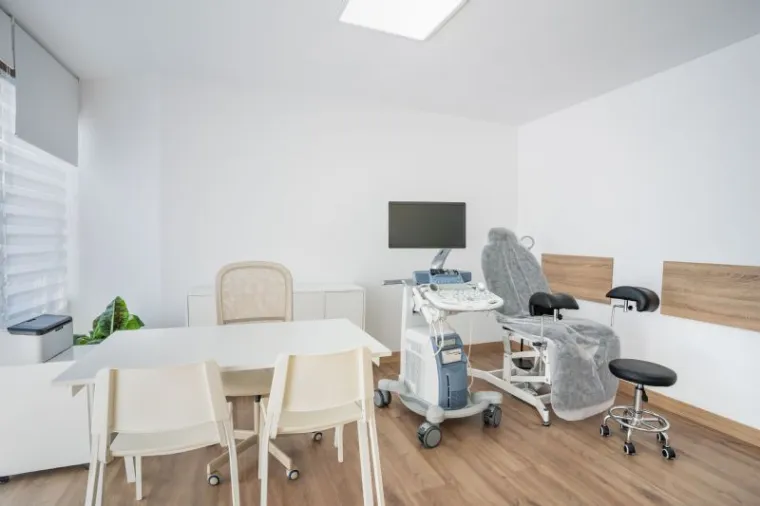
Furniture choices shape how clinics and long-term care spaces feel and function for both patients and caregivers. When healthcare furniture is thoughtfully selected from well-known, trusted brands, it helps support durability, comfort, and the demands of daily clinical use while still creating a welcoming environment.
The best healthcare furniture is built to handle frequent cleaning, constant use, and a wide range of patient needs. Specialists often recommend materials and finishes that hold up to repeated sanitation without breaking down, which is why many facilities rely on established brands known for dependable, everyday performance.
Several established brands focus specifically on furniture designed to meet the daily demands of healthcare and clinical environments.
Providers often choose these brands because they’re designed for the realities of everyday patient care, from frequent cleaning to constant use. The furniture in a care space affects how safe and supported staff feel. Choosing reliable brands helps keep rooms comfortable and easy to maintain for everyone.
Healthcare furniture covers everything from inpatient beds to therapy tables, and it’s all built to handle the demands of daily care. These pieces not only support patient comfort but also make daily routines easier for staff.
Many new designs use smooth materials that are easy to clean and don’t trap germs. Experts also suggest furniture that can handle strong medical cleaners so it stays in good shape longer.
Healthcare environments rely on a range of specialized furniture types to support patient care, staff efficiency, and overall comfort.
The Lenox Steel Oversized Guest Chair by Lesro is a durable, oversized chair with a steel frame and supportive cushioning designed for frequent use in waiting rooms or reception areas.
 | Lenox Steel Durable Oversized Guest Chair with Silver Finish Frame by Lesro - 400 lbs. Weight Capacity View Product |
The Clinton Flat Top Straight Line Treatment Table is a sturdy flat-top table built for exams and therapy, offering firm support and easy-to-clean surfaces for clinical settings
 | Clinton Industries Medical Treatment Table with 1 Section Flat Top, 400 lb. Weight Capacity, Available in 2 Widths | Classic Series View Product |
Each care space has different needs. These brands offer furniture in different materials, styles, and sizes. This lets clinics pick pieces that fit their patients and last through daily use.
The furniture you choose plays an important role in how patients and caregivers experience your space, and healthcare furniture in particular helps shape how comfortable, organized, and supportive that environment feels. Reliable brands offer options that create welcoming rooms, efficient treatment areas, and comfortable spaces for recovery or waiting. With thoughtful selections, your facility can feel more cohesive and better suited to the type of care you provide.

Co-Founder of Rehabmart and an Occupational Therapist since 1993. Mike has spent his professional career working in multiple areas of Occupational Therapy, including pediatrics, geriatrics, hand therapy, ergonomics and inpatient / outpatient rehabilitation. Mike enjoys writing articles that help people solve complex therapeutic problems and make better product choices.