Back pain is a leading cause of disability worldwide, affecting people of all ages. Whether due to injury, poor posture, arthritis, or degenerative conditions, finding effective pain relief can be challenging. Red light therapy (RLT) is a scientifically backed, non-invasive solution that reduces inflammation, promotes tissue repair, and alleviates pain, without the side effects of medication.
In this article, we’ll explain the clinical scenarios in which red light therapy is best suited and how you can safely implement it at home.
Red light therapy, also called low-level laser therapy (LLLT), cold laser therapy, or photobiomodulation, uses red (630–660 nm) and near-infrared (810–850 nm) wavelengths of light to stimulate your mitochondria. This promotes increased ATP production, faster tissue repair, reduced inflammation, and pain relief without medication.
Scientific Evidence: A study in the National Library of Medicine found that red light therapy significantly reduces chronic pain and improves mobility and function.
Back pain can stem from various causes: muscular strain, degenerative disc disease, poor posture, or general inflammation. Red light therapy addresses these sources by:
For aging patients with degenerative spinal issues, red light therapy helps reduce inflammation and stiffness while supporting deep tissue healing. For these conditions, a flexible, wearable option that contours to the lumbar spine is best.
Hooga Red Light Therapy Belt with Near Infrared Light
This ergonomic, flexible belt is ideal for targeting the lower back and provides deep-tissue near-infrared wavelengths that penetrate to the muscle and disc level. It’s lightweight, rechargeable, and FDA-cleared for pain relief.
 | Hooga Red Light Therapy Belt with Near Infrared Light and Rechargeable Battery View Product |
Red light therapy is highly effective for reducing post-workout soreness and inflammation in athletes recovering from lumbar strain. It’s often paired with stretching and neuromuscular re-education.
This model is perfect for athletes seeking easy positioning and high-powered red/NIR therapy right after a workout. It includes a stand and can be adjusted for floor or seated applications.
 | Waterproof Red Light Therapy Belt Kit - The Body Pro from Lumaflex View Product |
Sedentary individuals with thoracolumbar tension from poor posture respond well to red light therapy applied 3–5 times per week. Smaller panels or targeted lights can be effective here.
Hooga Red Light Therapy at Home
This model is perfect for athletes seeking easy positioning and high-powered red/NIR therapy right after a workout. It includes a stand and can be adjusted for floor or seated applications.
 | Hooga Red Light Therapy at Home - HG200 View Product |
In post-operative rehab, red light therapy helps reduce pain and speed healing in the surrounding tissues (never directly over incisions). Smaller, portable devices allow for flexibility during recovery.
Hooga HGPRO300 Red Light Therapy Panel
A premium-grade red/NIR light panel designed for home or clinic use. Its high irradiance and large coverage area make it suitable for addressing both mid and lower back recovery needs.
 | Hooga Red Light Therapy Device for Home - PRO300 View Product |
For people dealing with multiple back conditions or persistent discomfort across the entire posterior chain, red light therapy can provide broad, consistent coverage. Full-body panels help deliver therapeutic wavelengths across large treatment areas, supporting both surface-level relief and deeper tissue recovery.
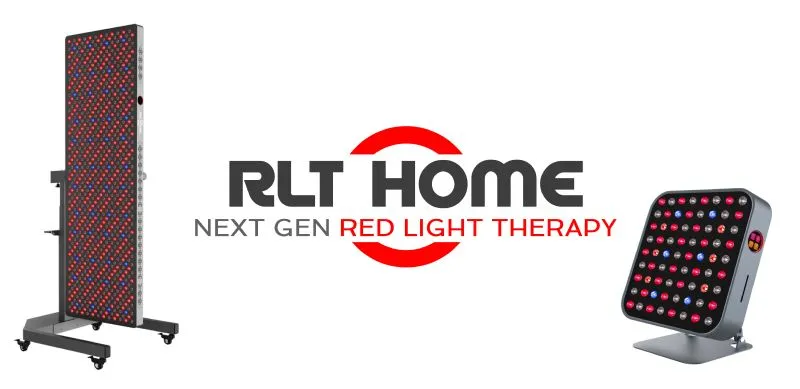
RLT Home Total Spectrum Red Light Therapy Panels
Premium full-body red light therapy panels designed to deliver complete back coverage in a single session. Featuring seven wavelengths, including 1,064 nm for deeper tissue penetration, this high-output system supports both superficial relief and deeper musculoskeletal recovery without frequent repositioning.
Proper use of red light therapy is just as important as choosing the right device. Whether you're using it for chronic low back discomfort, postural fatigue, or acute strain, here’s how to safely and effectively apply red light therapy at home.
For back pain, a device that offers both red (660 nm) and near-infrared light is ideal. Red light treats the surface, while near-infrared (810–850 nm) penetrates deeper into muscles, fascia, and joints. Higher wavelengths (850 nm and above) are especially effective for targeting the lumbar spine and surrounding structures, and some advanced panels include 1,064 nm for even deeper tissue penetration. Larger panels are excellent for full or mid-back coverage.
 | Red Light Mini Panel with Stand View Product |
 | Red Light Therapy Acupressure Mat with Infrared LEDs for Relaxation and Pain Relief Hooga View Product |
 | Red Light Therapy Panel with Bluetooth Connection and Customizable Modes - Beauty Series View Product |
 | Red Light Therapy Belt Pad with Multiple Frequency Levels by BioMol View Product |
 | Total Spectrum ELITE Full Body Red Light Therapy Panel with Adjustable Electric Stand | 864 LEDs, 7 Wavelengths View Product |
 | Hooga HG1500 Red Light Therapy Panel | Full Body View Product |
If you experience increased pain, worsening symptoms, or have a complex diagnosis (e.g., herniated disc, spinal stenosis), check with a physical therapist or physician for tailored guidance.
What makes red light therapy unique is its ability to address pain at the cellular level. By stimulating mitochondrial activity and increasing blood flow, it supports tissue repair, reduces inflammation, and restores function, all without drugs or invasive procedures. For patients hesitant to rely solely on medication or looking to enhance their recovery routine, red light therapy offers a powerful and science-backed alternative.
It’s important to remember that red light therapy isn’t a quick fix. Like most effective interventions, it works best with consistent use and in combination with professional guidance. Track your progress, monitor your symptoms, and stay engaged in your recovery. And as always, if your symptoms worsen or don’t improve after a few weeks, consult a licensed healthcare provider to re-evaluate your care plan.
Ultimately, red light therapy for back pain is a safe, accessible, and clinically supported way to regain comfort, restore mobility, and improve your overall quality of life. With the right tools and personalized approach, you can take charge of your recovery today!

Megan has been a part of Rehabmart since its inception nearly 20 years ago. For the past several years she has been enjoying her role as HR Director while maintaining her Physical Therapy license. When she isn't working on her next in-service or working to find a new team member, she enjoys her five children, helping those who have PT type ailments, baking, practicing yoga, and working out.