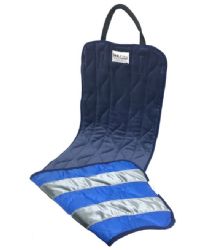
Caregivers often need a safe, low-effort way to reposition someone in bed, especially when mobility is limited. Slide sheets make this process easier by reducing friction, allowing the body to be turned, boosted, or adjusted with less strain. One of the first things many caregivers consider is the weight limit, since choosing the right capacity helps protect both the user and the person providing care. With a range of options available, it’s possible to find a solution that fits different body sizes, mobility needs, and care environments.
Slide sheet weight limits depend on the fabric, strength, and how often they’re used. Thin, low-friction sheets work best for light or moderate support. Reinforced or bariatric sheets handle higher weights and frequent repositioning. Checking the listed limit helps prevent tearing, slipping, or injury. If you’re unsure which style to choose, selecting a higher-capacity sheet provides extra safety.
The Patient Transfer and Repositioning Sheets are designed to help with turning, boosting, or moving someone in bed more smoothly. Their low-friction surface makes it easier to reposition without pulling or lifting, which can reduce stress on the body.
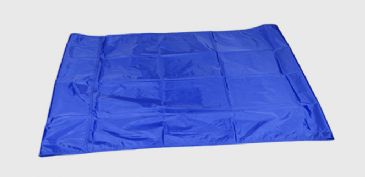 | Low Friction Transfer and Repositioning Sheets by Bestcare View Product |
The MaxiSlides Low-Friction Transfer and Repositioning Sheets feature built-in handles that give caregivers a more secure grip during repositioning. This added control can make it easier to turn, boost, or adjust someone in bed without relying on awkward hand placement.
 | Low Friction Patient Transfer Sheets with Handles - MaxiSlides from Arjo View Product |
The right weight capacity depends on the user’s size, mobility, and daily needs. A sheet used at home may not require the same strength as one used often in a hospital or care facility. The right match keeps skin safe, eases strain, and helps with smooth repositioning.
Slide sheets come in different shapes and sizes, so there is no single model that fits everyone. Larger sheets help with full-body repositioning, while smaller sheets are great for basic turns. Soft, low-friction fabrics reduce irritation for people with delicate skin. If caregivers feel strain or find the sheet hard to use, it may be time to choose a larger or stronger model. Your doctor can suggest the best design and weight limit for more complex mobility needs.
Slide sheets have weight limits, and choosing the right one is important for safe, comfortable care. Select a model that supports more than the user’s weight and fits the tasks you perform most. If a sheet feels too thin, difficult to move, or unsafe, consider upgrading to a stronger design. If you notice swelling, changes in mobility, or new health issues, talk to your healthcare provider. They can help ensure your equipment meets your current needs.

Co-Founder of Rehabmart and an Occupational Therapist since 1993. Mike has spent his professional career working in multiple areas of Occupational Therapy, including pediatrics, geriatrics, hand therapy, ergonomics and inpatient / outpatient rehabilitation. Mike enjoys writing articles that help people solve complex therapeutic problems and make better product choices.