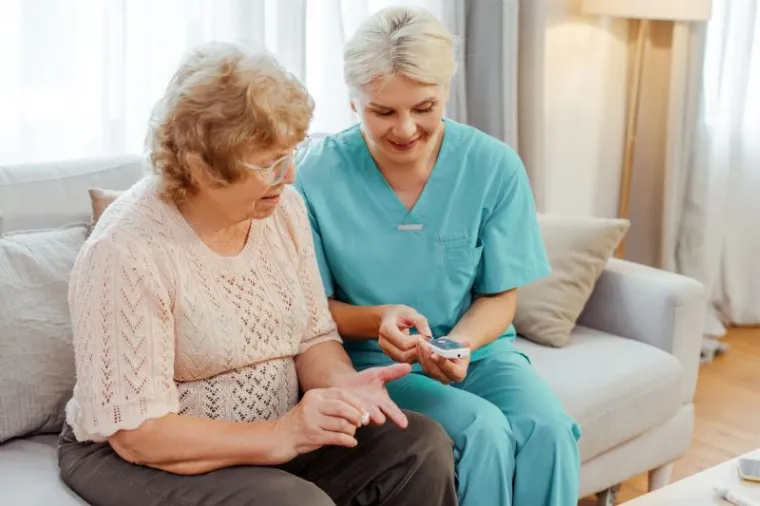
Loneliness is a growing concern for many older adults. Changes in health, mobility, hearing, vision, and family structure can make it harder for seniors to stay socially connected. Over time, this lack of connection can affect emotional health, physical well-being, and quality of life.
Technology can play an important role in reducing isolation when it is easy to use, supportive, and paired with meaningful routines. This article explains why loneliness affects so many seniors, how technology can support connection, and how supportive products can contribute to emotional comfort and engagement.
Loneliness is not the same as being alone. A person can live alone and feel content, while another may feel lonely even with people nearby. Loneliness often involves feeling disconnected or unsupported.
Common reasons seniors experience loneliness include:
Research shows that ongoing loneliness is linked to poorer physical health, higher rates of depression, changes in memory and thinking, and reduced motivation to stay active or engaged.
Social connection supports both mental and physical health. Regular interaction helps seniors stay mentally engaged, emotionally supported, and more involved in daily routines. When social needs are unmet, people may withdraw further, which can deepen feelings of isolation.
Technology cannot replace human connection, but it can help bridge gaps when in-person interaction is limited. When devices are designed with seniors in mind, they can support communication, routine, and engagement.
Video calls allow seniors to see and hear family members and friends, which helps conversations feel more personal. Devices with large screens, simple controls, and one-touch calling are often easier to use and reduce frustration.
Text messages, photo sharing, and shared calendars can help seniors stay involved in daily family life. Even short messages or photos can create regular points of connection and reassurance.
In addition to communication tools, some products help create a more engaging and comforting environment. These items do not replace social interaction, but they can support emotional well-being and reduce feelings of emptiness.
In addition to communication devices and video systems, some products support sensory engagement, mental stimulation, and comfort, which all contribute to emotional well-being.
 | Sensory Bead Tactile Stimulation Curtain View Product |
Sensory Bead Curtains add gentle movement and visual interest to a living space. It can support sensory engagement and make a room feel more active and inviting. Items like this may encourage interaction with caregivers or visitors and help reduce the feeling that a space is static or empty.
For seniors who spend a lot of time indoors, small changes in the environment can make a difference. Visual movement, texture, and soft sound can help support attention and engagement, especially for individuals who spend long periods alone.
Cognitive stimulation enhances mental agility, memory recall, and emotional resilience, all of which support overall well-being.
Vitamins, supplements, and tinctures like the Mind Expander Drops are designed to support focus and cognitive engagement. These products are not intended to treat medical conditions, but they may be used alongside activities like puzzles, reading, conversation, and structured routines that help keep the mind active.
Daily mental activity supports memory, attention, and emotional health. Simple routines that include games, conversation, music, or guided activities can help reduce feelings of stagnation that often come with isolation.
 | Mind Expander Brain Health Formula | Glutathione and ATP Supplement Drops with Carbon 60 for Mental Clarity by Nano Genesis Labs View Product |
Staying mentally active can be harder for seniors who spend a lot of time alone. When days feel the same, it can be harder to stay focused and interested in daily activities.
Mind Expander Drops are made to support focus as part of a daily wellness routine. They are not meant to treat or cure any medical condition.
For some seniors, having a small daily routine can help the day feel more structured. When Mind Expander Drops are used with mental activities, they may help support attention during conversations or hobbies.
Staying mentally engaged can also support emotional well-being. Seniors who feel more alert may be more willing to talk with others and take part in activities they enjoy. When used with communication tools and caregiver support, Mind Expander Drops can be part of a larger plan to support daily engagement.
Caregivers and family members should review product details and talk with a healthcare provider if there are questions about use or safety.
Some seniors use light-based wellness tools as part of a self-care routine. These products are not communication devices, but feeling physically more comfortable can support mood and readiness to engage with others.
 | Hooga HG24 Red Light Therapy Wand | Handheld View Product |
The Hooga HG24 Infrared Red Light Therapy Wand provides targeted red and infrared light for personal wellness routines. When used according to guidelines, light therapy may support relaxation and comfort, which can help reduce stress.
The Biomol Red Light Therapy Panel: Beauty Series offers broader light exposure for relaxation and wellness routines. Some users find that consistent self-care routines improve overall mood and emotional balance.
Feeling physically comfortable and rested can make social interaction feel easier. Self-care routines may help seniors feel more in control of their day and more open to reaching out to others.
Technology works best when it is part of a routine and supported by others.
Predictable schedules give seniors something to look forward to.
Technology can be used to:
Activities tied to personal interests are more engaging than passive use.
Choose devices that offer:
Clear instructions and patient support help build confidence.
Family members and caregivers can help by setting up devices, offering reminders, and participating in shared activities. Ongoing support makes technology more useful and less intimidating.
Studies suggest that when technology is accessible and supported, it can help increase social engagement, reduce feelings of loneliness, and support emotional well-being. Technology is most effective when paired with human support and meaningful routines rather than used in isolation.
Many seniors feel nervous about using new technology. This is common and can improve with time and support. Starting with simple devices helps reduce stress. Practicing in calm, low-pressure settings also builds confidence. Support from family members, caregivers, or community tech volunteers can make learning feel safer and more manageable.
Hearing loss, vision changes, and limited hand strength can make some devices hard to use. Choosing accessible technology can help. Options include captioned calling apps, voice-activated systems, and tablets with large buttons and clear screens. Devices that match physical needs are easier to use and less frustrating.
Some seniors do not have reliable home internet. This can make staying connected more difficult. Possible solutions include mobile internet plans, community Wi-Fi programs, or tablets with built-in data service. Local libraries, senior centers, and service providers can often help families find low-cost or free internet options.
Loneliness among seniors is a growing concern, but it can be addressed with the right mix of support, routine, and accessible tools. Communication technology works best when it is easy to use and paired with meaningful activities and regular human interaction.
Supportive products may help create a more engaging and comfortable daily environment. When families and caregivers choose tools thoughtfully and provide ongoing support, seniors are better positioned to stay connected, engaged, and supported in their daily lives.

Co-Founder of Rehabmart and an Occupational Therapist since 1993. Mike has spent his professional career working in multiple areas of Occupational Therapy, including pediatrics, geriatrics, hand therapy, ergonomics and inpatient / outpatient rehabilitation. Mike enjoys writing articles that help people solve complex therapeutic problems and make better product choices.









.webp&maxheight=250&width=365&product_name=OrCam Read 5 Assistive Reading Device with Smart Magnifier - Supports 140 Languages "OrCam Read 5 Assistive Reading Device with Smart Magnifier - Supports 140 Languages")