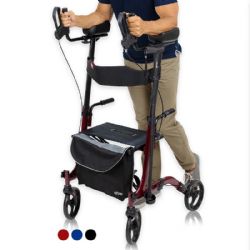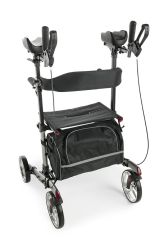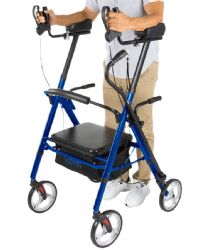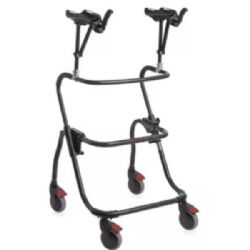
A stand-up walker, also known as an upright rollator, is a mobility aid designed to help individuals maintain an upright posture while walking. Unlike traditional walkers, stand-up walkers feature forearm supports, height-adjustable handles, and wheels for smooth movement, reducing strain on the back, shoulders, and wrists. These devices allow users to walk more naturally while minimizing pressure on joints and improving balance.
Stand-up walkers are ideal for seniors, individuals with mobility impairments, and those recovering from surgery. They are particularly beneficial for users who experience:
If you or a loved one struggles with poor posture or discomfort from a traditional walker, an upright rollator could be the perfect solution.
Traditional rollators require users to lean forward, which can lead to back pain and postural issues over time. In contrast, stand-up walkers promote an upright posture, reducing strain on the lower back, shoulders, and wrists. They also offer better weight distribution and support.
Before selecting a stand-up walker, consider the following:
 | Standard Bure StandTall Walker View Product |
The Standard Bure StandTall Walker is an excellent choice for post-surgery recovery and physical rehabilitation. It features a height-adjustable frame and forearm support, making it highly adaptable to different users.
Best For: Individuals recovering from surgery or needing extra support for rehabilitation.
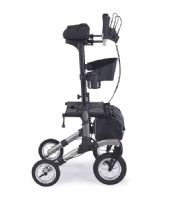 | Stand Up Walker with Seat and Elbow Support - Comodita Tipo Stand Up Advance All Terrain Rollator View Product |
The Comodità Tipo is built for durability and strength, making it ideal for heavier users or those who need extra stability. With a weight capacity of 300 lbs and reinforced construction, this model is perfect for daily use indoors and outdoors.
Best For: Heavier users or those needing a sturdy walker for outdoor use.
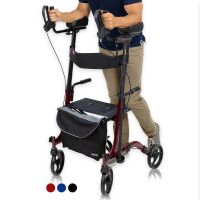 | Upright Rollator / Rollator Walker with Seat and Forearm Supports View Product |
For those looking for an affordable yet high-quality stand-up walker, the Vive Health Standing Upright Walker is a great option. It provides solid support and mobility while maintaining a budget-friendly price point.
Best For: Budget-conscious buyers who need a lightweight, easy-to-use walker.
This ergonomic stand-assist walker is ideal for users with limited lower body strength. Its contoured armrests and wide base provide excellent support for standing up safely.
Best For: Individuals who struggle with standing up from a seated position.
 | Lightweight Upright Rollator Walker - UPWalker Lite V2 with 300 Pound Weight Capacity View Product |
The UPWalker Lite V2 is the most lightweight and compact stand-up walker on this list, making it an excellent choice for travel.
Best For: Active seniors who need a lightweight, portable walker.
Medicare Part B may cover stand-up walkers if prescribed by a doctor. Coverage depends on medical necessity, and patients may need to pay part of the cost. Check with Medicare or your insurance provider for details.
Yes, many stand-up walkers have large, all-terrain wheels for outdoor use. The Comodità Tipo is a great option for uneven surfaces like grass and gravel.
Most stand-up walkers support 250 to 400 lbs, depending on the model. Heavy-duty or bariatric options like the Comodità Tipo accommodate larger users, while lightweight models like the UPWalker Lite V2 focus on portability.
Stand-up walkers range from $150 to $800, depending on features, weight capacity, and durability.
Choosing the right stand-up walker is a critical decision that can greatly impact mobility, posture, and overall quality of life. These upright rollators provide better ergonomic support than traditional walkers, helping to reduce back strain, wrist pain, and postural imbalances while offering enhanced stability and maneuverability.
Investing in a high-quality stand-up walker means greater independence, reduced pain, and improved confidence in everyday activities. Whether you are recovering from an injury, managing a chronic condition, or simply looking for better mobility support, choosing the right walker can enhance your daily routine and overall well-being.
For more details, check out trusted medical equipment retailers like RehabMart, where you can compare options and find the best stand-up walker for your needs.

Co-founder/CEO of Rehabmart, Pediatric Occupational Therapist, husband, and father. Passionate about connecting special needs kids with superb nutrition, sensory integration, and complementary health strategies. Excited about Rehabmart's mission to become the premier online educational platform which empowers caregivers by spotlighting innovative devices and interventions to achieve optimal patient response and recovery.
 Stand Up Walker with Seat and Elbow Support - Comodita Tipo Stand Up Advance All Terrain Rollator