Many pediatric occupational therapists work with children who struggle with focus, attention, and self-regulation every day. One of the biggest challenges for kids with ADHD is sitting still and staying engaged. The right chair can provide sensory input, movement, and postural support, helping kids stay focused, comfortable, and calm.
We tested six ADHD-friendly chairs, each with unique benefits. Whether you're a teacher, parent, or therapist, this guide will help you choose the best chair for ADHD based on your child’s specific needs.
The best chair for ADHD depends on individual needs. Active seating options like the Kore Wobble Chair and KidsFit Pedal Desk are great for kids who need movement to focus. For sensory seekers, a bean bag chair provides deep pressure, while structured seating like the Art Horse helps with posture and fine motor tasks.
Yes, wobble chairs like the Kore Wobble Chair allow gentle movement while seated, helping kids stay engaged and focused. Research shows that active sitting can improve attention and self-regulation in children with ADHD.
Yes, but stability is key. Some children struggle with balance, making options like the Bouncing Chair a safer alternative that provides similar movement benefits without rolling away.
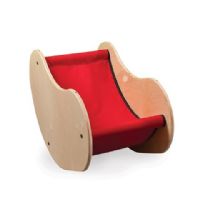 | Sensory Rocking Bean Lounge Chair - 2 Sizes by Southpaw Enterprises View Product |
For sensory-seeking children, a bean bag chair provides deep pressure input that helps them feel grounded and calm. Many kids with ADHD struggle with body awareness (proprioception), and the soft compression of the Individual Bean Chair offers soothing sensory input.
 | Wobble Chairs with Adjustable Height and Round Bottom View Product |
The Kore Wobble Chair is one of the best active seating options for kids with ADHD. Its 360-degree wobble base allows constant rocking, tilting, and twisting, which helps improve focus by engaging core muscles and promoting micro-movements.
 | Light Hardwood Perspective Art Horse - Durable and Eco-Friendly Design View Product |
This structured stool-like chair with a built-in desk is ideal for kids who need postural support for fine motor work, drawing, or writing. It encourages an upright posture and reduces slouching and excessive fidgeting.
 | Kinesthetic Classroom Pedal Desk - KidsFit View Product |
This pedal desk is ideal for kids who need movement to stay focused. Instead of fidgeting or standing up, kids can pedal while working, which channels hyperactivity into productive energy.
For kids who self-regulate through spinning, the Kneel-N-Spin Desk allows vestibular input while working. The 360-degree rotation makes it perfect for kids who crave motion but need structured engagement.
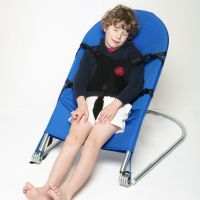 | TFH Bouncing Chair for Vestibular Input View Product |
The Bouncing Chair is an alternative to therapy balls, offering controlled bouncing movement without rolling away. It helps kids stay engaged without excessive fidgeting.
Choosing the best chair for ADHD depends on your child’s movement needs, sensory profile, and learning environment. Selecting the right option can support focus, reduce fidgeting, and improve learning outcomes.

Co-Founder of Rehabmart and an Occupational Therapist since 1993. Mike has spent his professional career working in multiple areas of Occupational Therapy, including pediatrics, geriatrics, hand therapy, ergonomics and inpatient / outpatient rehabilitation. Mike enjoys writing articles that help people solve complex therapeutic problems and make better product choices.
 Executive Strider Standing Desk for Active Classroom Learning and Movement by Action Based Learning
 Strider Desk - Active Learning Classroom Movement Desk with 1 to 4 Stations by Action Based Learning
 Kneel and Spin Active Learning Classroom Desk for K Through 2nd Grade Students, 1 to 6 Stations
 Ergospin Active Learning Classroom Desk for Student Movement and Focus - 1, 2, or 3 Station Options