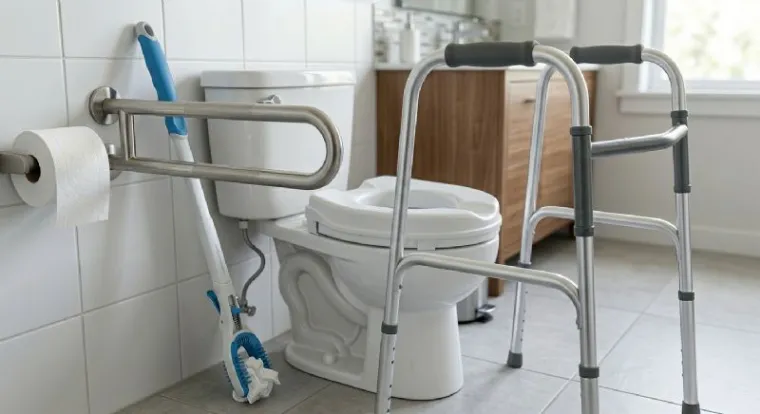
Toileting aids are devices that help maintain safety, dignity, and independence in the bathroom. These tools range from grab bars and toilet safety frames to bidet seats and lift-assist devices, each serving a specific function to reduce strain, improve accessibility, and promote safe bathroom routines. By helping individuals navigate challenges related to mobility, balance, or strength, toileting aids are essential components of home modifications, rehabilitation programs, and occupational therapy plans.
Bathrooms can present particular risks, including slips, falls, and difficulty with transferring on and off the toilet. For people recovering from surgery, managing chronic conditions, or experiencing age-related mobility changes, these risks are amplified. Toileting aids address these challenges by providing stability, leverage, and support while encouraging proper posture, comfort, and autonomy during daily hygiene activities.
These devices are also valuable tools for rehabilitation. Physical therapists can incorporate toileting aids into therapy plans to improve muscle strength, coordination, and functional independence. In addition, caregivers benefit from the added safety, as these tools reduce physical strain when assisting users. By integrating these devices into homes, care facilities, or rehabilitation settings, individuals can maintain dignity while safely performing one of the most essential daily routines.
Whether used for temporary rehabilitation after injury or as long-term support for mobility challenges, toileting aids are a practical, supportive solution that fosters confidence and independence. They allow users to focus on personal care without fear of falls, discomfort, or reliance on assistance, making them indispensable in both clinical and home environments.
Toilet safety frames are freestanding or adjustable frames that fit around a standard toilet, offering sturdy support for individuals during sitting and standing. They help users stabilize themselves and reduce the risk of falls, especially for those with limited lower-body strength or balance challenges.
Users position the frame around the toilet. Padded handles or bars provide leverage when sitting down or rising. Many frames feature height-adjustable legs, ensuring a comfortable fit for different toilet heights and individual needs.
 | Toilet Safety Frames Category |
Unlike fixed grab bars, safety frames are portable and can be relocated easily. They provide a non-permanent solution, making them suitable for renters, temporary rehabilitation, or shared facilities where permanent installation is not feasible.
Toilet safety frames are particularly helpful for seniors, post-surgery patients, and anyone experiencing temporary mobility challenges. They offer immediate support while building confidence for independent bathroom use.
Lift toilet seats and toilet lifts are devices that raise and lower the toilet seat height, assisting users in standing and sitting with less effort. These devices are particularly beneficial for individuals with hip, knee, or back limitations.
Lift toilet seats are installed on top of an existing toilet. They may feature battery-powered or mechanical lift options. Some models use hydraulic assistance or gentle motorized lifts to raise or lower the seat, reducing strain on joints and muscles during transfers.
 | Toilet Lifts Category |
Lift seats provide active assistance rather than relying solely on user strength. They are superior to standard elevated toilet seats for individuals with severe mobility restrictions or balance issues.
Lift toilet seats are frequently recommended by therapists for individuals recovering from hip or knee surgery. They help users maintain independence while minimizing the risk of falls or injury during essential daily routines.
Grab bars are sturdy bars installed near the toilet to provide leverage and stability. ADA-compliant models ensure proper height, spacing, and weight support for safe bathroom use.
Grab bars are mounted securely to walls adjacent to the toilet. Users can hold the bars when sitting, standing, or shifting position. Some models feature fold-down designs to maximize space in smaller bathrooms, while others include textured grips for additional safety.
| Toilet Grab Bars Category |
Unlike freestanding frames, grab bars are a permanent, robust support option that can handle higher weight capacities. ADA-compliant designs meet strict accessibility standards, ensuring they are safe and reliable.
Grab bars are essential in both residential and clinical settings, particularly for individuals with ongoing mobility challenges, ensuring safety while promoting independence in everyday bathroom routines.
Bidet toilet seats provide hygienic cleansing after toileting, reducing the need for manual wiping. These devices can improve comfort, reduce strain, and support independence for individuals with limited hand strength, flexibility, or range of motion.
Installed on a standard toilet, bidet seats use a water spray controlled via a side panel or remote. Many models allow adjustment of water pressure, spray angle, and temperature. Some even include warm air drying features for enhanced convenience.
 | Bidet Toilet Seats Category |
Bidet seats reduce manual effort for hygiene, which isn’t achievable with toilet paper alone. They are particularly helpful for users with dexterity limitations, post-surgical restrictions, or chronic conditions affecting mobility.
Bidet toilet seats offer both comfort and functional benefits, helping individuals maintain hygiene and independence while reducing caregiver assistance requirements.
Toileting and wiping aids are devices that assist users in reaching, cleaning, and maintaining hygiene independently. They are particularly useful for individuals with limited upper body mobility, flexibility, or dexterity.
Wiping aids typically feature extended handles with grips or disposable attachments. Users can reach and clean themselves without excessive bending or twisting, promoting comfort and proper hygiene practices.
 | Toileting Aids Category |
They provide mechanical leverage and reach, which cannot be achieved with hands alone. Wiping aids allow users to maintain independence and dignity in personal care routines.
Toileting aids like these are especially valuable for seniors, people with disabilities, or anyone recovering from surgery or illness, helping them maintain functional independence and reduce reliance on caregivers.
Toileting aids are indispensable tools for supporting independence, safety, and dignity in the bathroom. By addressing challenges related to mobility, strength, and balance, these devices empower individuals to perform personal care activities with confidence and minimal assistance. From grab bars and safety frames to bidet seats and wiping aids, each product offers unique benefits tailored to improving functional ability, comfort, and safety.
Integrating these aids into daily routines or rehabilitation programs enhances user independence, reduces strain on caregivers, and encourages safer, more comfortable bathroom experiences. For individuals recovering from injury, living with chronic conditions, or managing age-related mobility changes, these tools provide practical solutions that maintain autonomy and quality of life.
By choosing the right combination of devices, users can navigate bathroom routines safely and efficiently, supporting ongoing rehabilitation, long-term independence, and everyday comfort. Toileting aids not only improve functional ability but also contribute to dignity, empowerment, and confidence, making them an essential component of accessible living environments.

Co-founder/CEO of Rehabmart, Pediatric Occupational Therapist, husband, and father. Passionate about connecting special needs kids with superb nutrition, sensory integration, and complementary health strategies. Excited about Rehabmart's mission to become the premier online educational platform which empowers caregivers by spotlighting innovative devices and interventions to achieve optimal patient response and recovery.