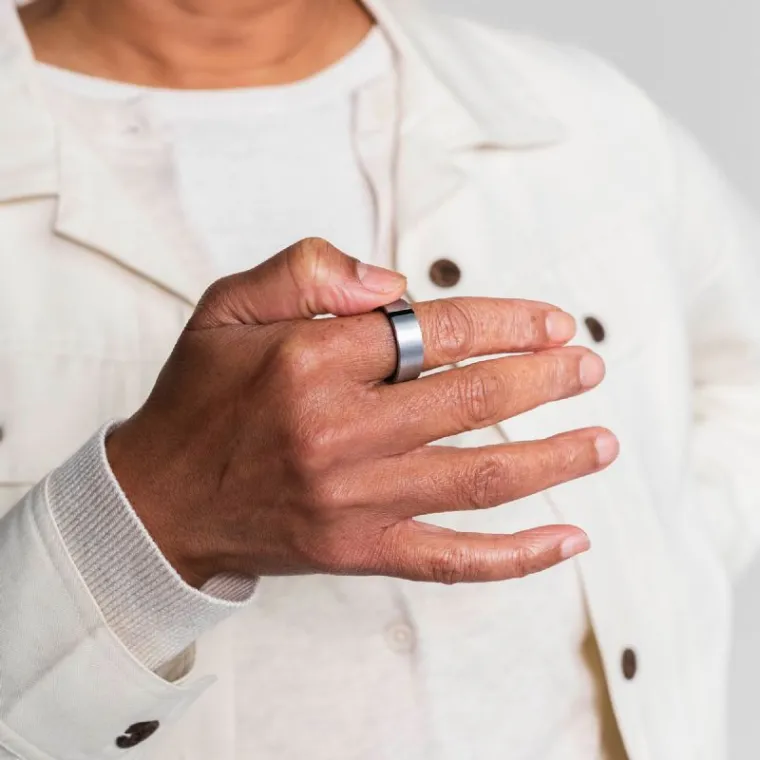
We have spent years helping people find effective tools to make daily life safer and more independent. Most adults we work with, including visually impaired adults, want to manage their home environment independently, controlling their surroundings like lighting, entertainment systems, or appliances without relying on others.
As an occupational therapist, I've seen a lot of products come and go, but the Lotus Smart Ring stands out as one of the most innovative low vision assistive devices we’ve used in practice. It allows people to control their surroundings through touch-based gestures rather than visual screens or complex remotes, giving patients both accessibility and autonomy.
 | Lotus Ring for Wall Switch Control - Easy to Use, Works with Lights, Fans, and Appliances View Product |
Independent living aids and assistive devices are essential for individuals who want to maintain autonomy despite sensory or physical challenges. For adults living with vision loss, low vision aids often rely on tactile, auditory, or haptic feedback rather than visual interfaces.
Examples include:
A study published in Frontiers in Rehabilitation Sciences found that assistive devices significantly improved independence and emotional well-being for adults with visual impairments. For many individuals, incorporating the right low vision devices into their routines restores both confidence and participation in daily activities.
Wearable low vision products are tools that help people with vision loss safely interact with their surroundings. These products are worn on the body, such as on the head, wrist, or hand, and use touch, sound, or gentle vibration to give feedback instead of relying on sight.
Research published in Sensors (Basel) found that wearable assistive technologies using vibration or touch can improve confidence and independence for visually impaired adults. Examples include smart glasses, vibrating wristbands, and the Lotus Smart Ring.
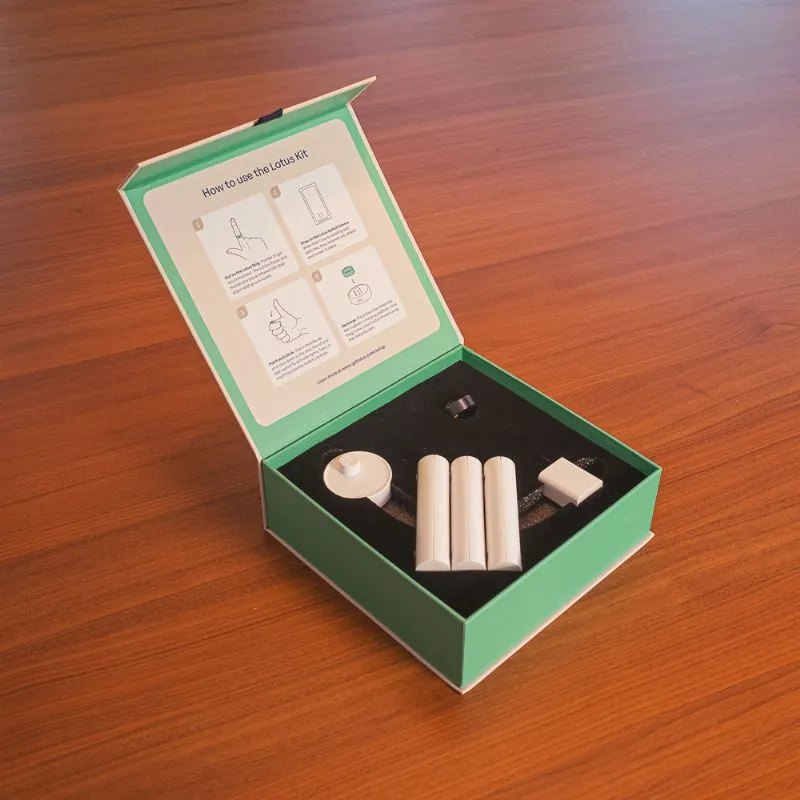
The Lotus Smart Ring is a wearable assistive device that connects wirelessly to compatible home technology such as lighting, entertainment systems, and mobility aids. It allows users to control these systems with simple gestures, making it a practical tool for safe and independent living.
| Lotus Ring for Wall Switch Control - Easy to Use, Works with Lights, Fans, and Appliances View Product |
In my work with home care teams, including nurses and rehabilitation professionals, devices like the Lotus Ring have proven valuable in supporting both patients and caregivers. Because it reduces the need for direct assistance, it promotes autonomy while maintaining safety.
Research in Disability and Rehabilitation: Assistive Technology supports this, showing that wearable assistive technologies encourage self-directed engagement and reduce caregiver workload. The Lotus Ring fits perfectly within this model, allowing care teams to focus more on therapeutic progress rather than constant supervision.
By integrating the Lotus Ring into home environments, both caregivers and family members gain peace of mind knowing that the person they support can safely control key aspects of their surroundings.
A: Independent living aids are tools that help people with visual impairments live safely and manage daily activities more easily. Examples include talking timers, tactile kitchen tools, and low vision assistive devices like the Lotus Ring.
A: The Lotus Ring replaces the need for sight-based controls. Through simple gestures and vibration feedback, users can manage their environment safely and independently.
A: Yes! Studies consistently show that assistive devices improve autonomy, reduce falls, and enhance emotional well-being for people adapting to vision loss.
A: Some assistive technologies may qualify for coverage under rehabilitation or vision therapy programs, especially when prescribed by an occupational therapist or physician. Check with your individual insurance plan for more detailed information.
A: Select a device that is intuitive, tactile, and compatible with their existing systems. Devices like The Lotus Ring are great if you don't know your loved one's existing set-up; however, as the ring is compatible with standard home and appliance switches. Comfort, reliability, and user control should guide every purchasing decision!
Throughout my career in occupational therapy, I’ve seen how the right assistive technology can restore confidence, improve safety, and redefine independence for adults living with vision loss. The Lotus Smart Ring stands out among low vision aids for its simplicity, adaptability, and clinical value.
It provides an accessible way for visually impaired adults to control their environment while reducing caregiver reliance and safety risks. For anyone seeking a reliable and empowering device for independent living, the Lotus Ring remains one of the most effective low vision assistive devices available today.

Co-founder/CEO of Rehabmart, Pediatric Occupational Therapist, husband, and father. Passionate about connecting special needs kids with superb nutrition, sensory integration, and complementary health strategies. Excited about Rehabmart's mission to become the premier online educational platform which empowers caregivers by spotlighting innovative devices and interventions to achieve optimal patient response and recovery.








.webp&maxheight=250&width=365&product_name=OrCam Read 5 Assistive Reading Device with Smart Magnifier - Supports 140 Languages "OrCam Read 5 Assistive Reading Device with Smart Magnifier - Supports 140 Languages")