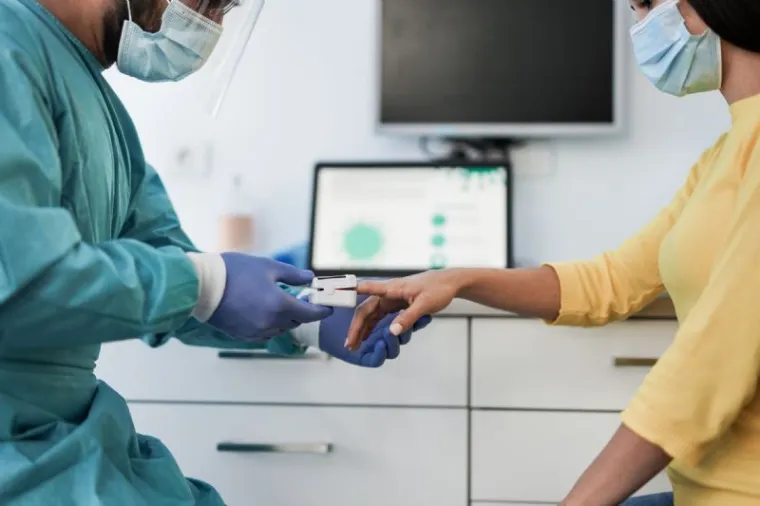
Ambulatory care means getting medical help without staying in a hospital overnight. Instead, patients visit a doctor, clinic, or outpatient center for tests, treatments, or follow-up care and then go home the same day. This kind of care helps people get the medical attention they need while keeping costs lower and making care more convenient.
Inpatient care happens when a person is admitted to a hospital for a full day or more, often after major surgery or for serious illness. Ambulatory care is different because it focuses on same-day services. Patients come in for an exam, test, or treatment and can leave shortly after.
Advances in technology and medicine have made it easier for doctors to perform many procedures safely outside hospitals. Examples include imaging scans, endoscopies, and minor surgeries. This change allows more people to get high-quality care close to home.
Ambulatory care includes many types of health services, such as:
Doctors, nurses, and therapists often work together to make sure treatment plans are clear and follow-up appointments are scheduled when needed.
Ambulatory care is one of the fastest-growing parts of healthcare because it gives patients more options and control over their care. Here are some of its main benefits:
Even though ambulatory care happens outside a hospital, safety and quality are just as important. Many outpatient centers follow strict standards from organizations such as state health departments. Clinics use electronic health records to share information among care teams and avoid medical errors.
Patients can improve their safety by bringing a list of medications, understanding discharge instructions, and asking questions about test results or follow-up appointments.
As the population grows older and chronic conditions become more common, ambulatory care helps reduce pressure on hospitals and keeps healthcare more affordable. It also supports preventive medicine, helping people stay healthy instead of waiting until they become seriously ill.
Telehealth and remote monitoring have expanded ambulatory care even more. Virtual appointments let patients connect with doctors from home, which saves time and increases access to specialists in other locations.
Ambulatory care is an essential part of today’s healthcare system. It helps patients get the right care at the right time without needing a hospital stay. From routine checkups to ongoing condition management, it gives people more control, better comfort, and faster recovery while maintaining high medical standards.

Co-founder/CEO of Rehabmart, Pediatric Occupational Therapist, husband, and father. Passionate about connecting special needs kids with superb nutrition, sensory integration, and complementary health strategies. Excited about Rehabmart's mission to become the premier online educational platform which empowers caregivers by spotlighting innovative devices and interventions to achieve optimal patient response and recovery.
 Professional Bladder Scanner Designed for Non-Invasive Use With Rechargeable Batteries by Medacure