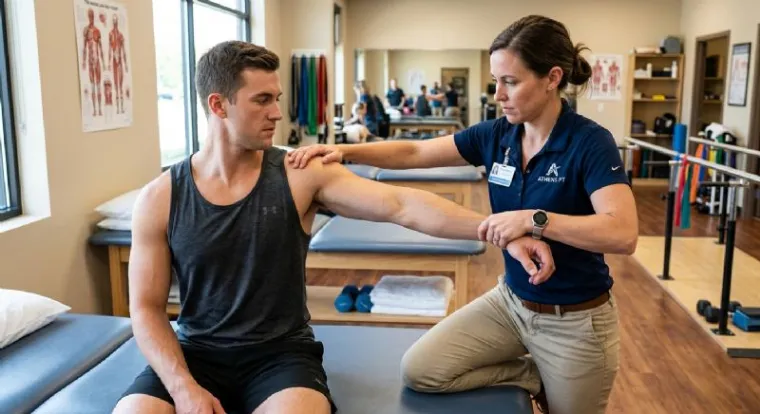
Muscle testing is a method used to evaluate muscle strength, function, and response by measuring how muscles perform against resistance or force. It’s commonly used in rehabilitation, physical therapy, athletic training, occupational therapy, and clinical evaluations to help professionals understand muscle performance and track changes over time. Muscle testing can be performed through manual muscle testing techniques, in which a clinician applies resistance by hand, or through instrumented methods using specialized devices such as dynamometers that measure force more objectively.
Muscle strength and function play an important role in mobility, independence, injury recovery, and overall physical performance. When muscles become weaker due to injury, surgery, neurological conditions, aging, or inactivity, it can affect balance, coordination, grip strength, walking ability, and daily activities. Muscle testing tools help professionals measure strength levels, monitor progress, and make informed decisions about therapy programs, exercise plans, and functional goals.
Modern muscle testing devices are designed to support accurate measurement, consistency, and repeatability compared to manual testing alone. These tools help facilitate objective muscle strength testing and muscle response testing across a variety of settings, including clinics, therapy centers, hospitals, athletic facilities, and research environments. Understanding the different types of muscle testing equipment available can help professionals and users choose the right solution for their specific needs.
The Baseline Pneumatic Squeeze Bulb Dynamometer is a hand-held device used to measure grip strength through air pressure resistance. The user squeezes a rubber bulb, and the device measures the pressure generated during the squeeze. This type of device is commonly used for grip strength evaluation, rehabilitation progress tracking, and general muscle strength testing.
The device works by converting the pressure from squeezing the bulb into a measurable reading displayed on the gauge. Because the resistance comes from air pressure rather than mechanical springs or hydraulics, the squeeze action can feel more comfortable for individuals with limited hand strength, joint sensitivity, or pain.
Compared to conventional grip strength tools that use rigid handles, pneumatic dynamometers can be more comfortable for users with arthritis, hand injuries, or reduced grip tolerance. The softer squeeze bulb design allows for a more gradual resistance, which may assist with early-stage rehabilitation or low-strength testing scenarios.
This type of device is often used in kinesiology muscle testing, occupational therapy, and rehabilitation programs where grip strength and hand function are important indicators of recovery or functional ability.
.jpg&newwidth=365&maxheight=200 "Baseline Pneumatic Squeeze Bulb Dynamometer") | Baseline Pneumatic Squeeze Bulb Dynamometer View Product |
The Baseline Mechanical Pinch Gauge measures pinch strength between the fingers and thumb. Pinch strength is an important part of hand function and is often evaluated during manual muscle testing and hand therapy programs.
This device measures the force generated when the user pinches the gauge using different pinch positions, such as lateral pinch, three-point pinch, or tip pinch. The gauge records the amount of force applied, allowing professionals to track muscle strength testing results over time.
What differentiates pinch gauges from standard grip dynamometers is that they specifically measure finger and thumb strength rather than full-hand grip strength. This makes them useful for evaluating fine motor strength, hand injuries, neurological conditions, and post-surgical recovery involving the hand or wrist.
Pinch strength measurement is often included in comprehensive muscle response testing and hand function evaluations, especially in occupational therapy and rehabilitation environments.
 | Baseline Mechanical Pinch Gauge View Product |
The Jamar Hydraulic Hand Dynamometer is widely used for grip strength measurement and is commonly found in clinical, rehabilitation, and research settings. It uses a hydraulic system to measure the force applied when a patient squeezes the handle.
The device works by converting the force from the grip into hydraulic pressure, which is then displayed on a dial. The adjustable handle allows the device to accommodate different hand sizes, which is important for standardized muscle strength testing across different individuals.
Compared to simpler grip devices, hydraulic dynamometers are often used when more standardized measurements are needed. They are commonly used in physical therapy evaluations, functional capacity evaluations, and research studies that require consistent measurement methods.
Hydraulic dynamometers are frequently used in manual muscle testing programs and broader kinesiology muscle testing assessments where grip strength is an important indicator of upper extremity function.
 | Jamar Hydraulic Hand Dynamometer View Product |
The Lafayette DualGrip Wireless Digital Hand Dynamometer is a digital device designed for manual muscle testing and grip strength measurement. It provides digital readings and wireless data capabilities, allowing measurements to be recorded and tracked electronically.
The device measures the force applied to the handles and displays the results digitally. The wireless functionality allows data to be transmitted and stored, which can be useful for documentation, research, or tracking patient progress over time.
What differentiates this device from traditional mechanical or hydraulic dynamometers is its digital measurement and wireless data recording capabilities. This can help reduce manual recording errors and improve consistency in muscle strength testing documentation.
Digital dynamometers are often used when more detailed muscle response testing data is needed, especially in therapy clinics, athletic performance testing, and research environments.
 | Wireless Digital Hand Dynamometer for Manual Muscle Testing | Lafayette DualGrip View Product |
The AxIT Strength Assessment System is a portable, wireless device used to measure muscle strength, balance, and power across multiple muscle groups. It provides real-time feedback through specialized software, giving clinicians the ability to track progress and evaluate functional movements in rehabilitation, athletic training, or therapy sessions.
The system captures force data during pushing, pulling, or stepping movements. Clinicians can see peak strength, speed of force production, side-to-side differences, balance, and overall control instantly on the software. This makes it easier to identify subtle improvements, asymmetries, or weaknesses that might not be apparent with traditional manual testing alone.
The AxIT system includes multiple devices that can be combined for comprehensive assessments:
The AxIT Strength Assessment System is commonly used in rehabilitation clinics, sports medicine practices, athletic training facilities, strength and conditioning centers, and therapy clinics. Its combination of portability, wireless connectivity, and comprehensive data collection makes it ideal for clinicians seeking a detailed, practical view of patient or athlete performance and functional improvement.
 | AxIT Strength Assessment System for Rehab, Sports, and Performance by Strength by Numbers View Product |
The Lafayette Manual Muscle Tester (MMT) is a handheld device designed specifically for manual muscle testing across multiple muscle groups. It allows clinicians to measure the force generated by a muscle during resistance testing.
The device functions by placing the tester against the limb while the user applies force against it. The device measures the amount of force produced, allowing clinicians to document strength levels and track changes over time.
Compared to traditional manual muscle testing, where strength is graded subjectively, handheld muscle testers provide more objective measurement data. This helps improve consistency and tracking in rehabilitation programs and muscle response testing.
Handheld muscle testers are commonly used in rehabilitation, sports medicine, physical therapy, and clinical evaluations where muscle strength testing is part of functional assessment.
 | Lafayette Manual Muscle Tester (MMT) View Product |
Muscle testing devices help professionals measure strength consistently, track changes over time, and support rehabilitation and performance programs. Without objective muscle strength testing tools, strength evaluations may rely heavily on subjective assessments, which can make it more difficult to monitor progress accurately.
Muscle strength plays an important role in mobility, independence, rehabilitation, and overall physical function. Having reliable tools for muscle testing allows professionals to measure strength more objectively, monitor progress over time, and support individualized therapy or training programs. Whether measuring grip strength, pinch strength, or individual muscle group force, these devices facilitate consistent and repeatable testing across a wide range of environments.
From handheld muscle testers to grip dynamometers, pinch gauges, and comprehensive evaluation tools, each type of equipment serves a specific purpose in evaluating muscle performance and tracking functional improvements. These tools help professionals make informed decisions about therapy programs, rehabilitation progress, and functional assessments.
By providing measurable data and consistent testing methods, muscle testing equipment supports independence, functional ability, and long-term strength monitoring. Choosing the right device helps ensure accurate measurements, better tracking, and more informed decision-making, making muscle testing an essential part of rehabilitation, therapy, and performance evaluation programs.

Co-founder/CEO of Rehabmart, Pediatric Occupational Therapist, husband, and father. Passionate about connecting special needs kids with superb nutrition, sensory integration, and complementary health strategies. Excited about Rehabmart's mission to become the premier online educational platform which empowers caregivers by spotlighting innovative devices and interventions to achieve optimal patient response and recovery.






.jpg&maxheight=250&width=365&product_name=Baseline Pneumatic Squeeze Bulb Dynamometer "Baseline Pneumatic Squeeze Bulb Dynamometer")


