



Smartwatches are best suited for those who prefer continuous, background tracking and value seeing oxygen levels as part of a broader picture of daily health trends.

Tracking oxygen saturation has become easier with modern wearable technology, but not all devices measure it the same way. Smartwatches typically estimate oxygen levels in the background as part of broader wellness tracking, offering trend data over time, while a pulse oximeter is designed to provide a quick, fingertip reading when you want a clear and immediate snapshot.
Understanding how each device collects and presents data helps set realistic expectations. Differences in accuracy, intended purpose, and everyday usability often determine whether a smartwatch is sufficient for general insight or if a dedicated pulse oximeter better fits your needs.
A pulse oximeter is often the more practical choice when the goal is to check oxygen levels at specific moments, such as during rest, after activity, or as part of a structured home routine. Pulse oximeters clip onto the fingertip and deliver readings in seconds, making them ideal for on-demand home monitoring.
A smartwatch tends to make more sense for people who want general awareness over time and are comfortable wearing a device consistently.
Because these tools support different monitoring habits, one does not replace the other in every situation. The better option depends less on features and more on how the information will be used day to day.
Pulse oximeters and smartwatches measure oxygen saturation in very different ways. Understanding their purpose and how readings are collected helps clarify which option is better suited for quick checks versus long-term tracking.
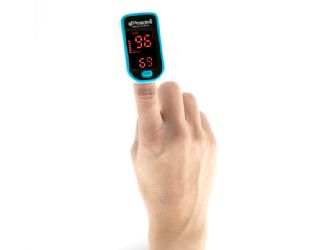
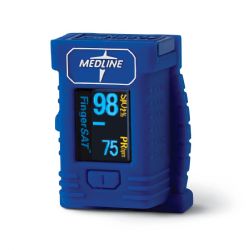
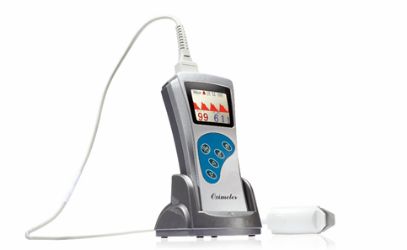
A pulse oximeter is a single-purpose device used to measure blood oxygen saturation (SpO2) and pulse rate. It clips onto a fingertip and delivers a clear reading within seconds, making it useful for quick, intentional spot checks at home or in clinical settings. Because the fingertip provides consistent blood flow when the user is still, readings are typically direct and reliable when the device is used correctly.
Devices like the Finger Pulse Oximeter make on-demand monitoring simple, helping users stay consistent with spot checks over time.
 | Portable Fingertip Pulse SpO2 Oximeter View Product |
A smartwatch is designed for continuous wear, with oxygen saturation estimated in the background alongside other wellness metrics. Rather than capturing a single moment in time, it collects data gradually, often during rest or sleep, and presents it as trends. This makes smartwatches better suited for observing patterns over time, while pulse oximeters are used for immediate, one-time measurements.
Pulse oximeters are ideal for intentional, on-demand monitoring, giving clear readings without continuous tracking. The key benefits are:
Pulse oximeters are used on demand rather than continuously, making them ideal for intentional monitoring. Their simplicity helps people stay consistent with checks over time.
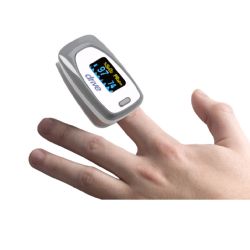
For simple, reliable oxygen monitoring at home, the Fingertip Pulse Oximeter offers fast, accurate readings with minimal setup. Designed to clip comfortably onto the fingertip, it delivers clear SpO2 and pulse rate results within seconds.
| Drive Medical Fingertip Pulse Oximeter View Product |
Smartwatches are best for spotting patterns over time rather than checking a single reading. They gather data gradually and integrate it with daily activity and rest. Key benefits include:
Worn consistently, smartwatches reveal changes in sleep, recovery, or activity that occasional spot checks might miss.
Both pulse oximeters and smartwatches use optical sensors, but where and how measurements are taken affects results. The fingertip readings are more consistent because:
Because of these factors, a pulse oximeter is often preferred when you need a quick, reliable oxygen reading rather than a general wellness estimate.
On the other hand, the wrist readings can vary because smartwatches offer convenient wrist-based oxygen tracking, but their readings can vary depending on how and when measurements are taken.
For this reason, smartwatch readings are generally better suited for long-term wellness monitoring instead of quick, medical-style oxygen checks.
Pulse oximeters work best for people who want quick, on-demand monitoring without interrupting daily routines. They are used briefly and put away, making them low-maintenance. The benefits are:
Because of this simplicity and convenience, a pulse oximeter is often a practical choice for straightforward, spot-check oxygen monitoring.
Smartwatches are suited for people willing to wear the device most of the day to collect data in the background. They automatically track trends and provide context alongside other health metrics. Keep these considerations in mind:
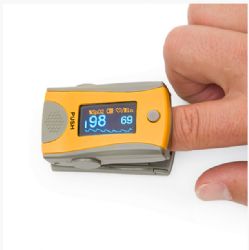
A pulse oximeter is ideal for people who want clear oxygen readings without turning monitoring into a daily task. It works well for users who prefer simple, low-maintenance tools that can be picked up, used briefly, and put away, such as the VOCIC AT10 Finger Pulse Oximeter, which provides quick fingertip readings without apps, syncing, or ongoing setup. This includes caregivers sharing a device or anyone avoiding added technology.
 | Finger Pulse Oximeter - VOCIC AT10 View Product |
A smartwatch is better suited for those who want a broader view of health trends. It supports continuous tracking of oxygen, activity, and recovery, making it useful for people who review multiple metrics over time, are comfortable using apps, and wear the device most days. Smartwatches work best when integrated into an existing daily routine rather than used occasionally.
Choosing between a pulse oximeter and a smartwatch depends on how you plan to use oxygen data. Readings show how oxygen circulates in the body and aren’t meant to diagnose conditions. Focusing on practical use helps make the decision easier. Consider these questions:
Answering these helps choose the device that fits best into daily life rather than just the one with more features.
A smartwatch is not a replacement for a medical-grade pulse oximeter. Smartwatches estimate oxygen levels over time and are better for spotting trends rather than providing precise, one-time readings. Pulse oximeters provide direct fingertip readings that are widely used in clinical and home settings for accuracy. If you need reliable measurements for health monitoring or medical guidance, a pulse oximeter is the preferred tool.
Frequency depends on your health needs or a clinician’s recommendations. For general wellness, spot checks during rest or after activity may suffice. People with respiratory conditions or those in recovery might check several times a day. Pulse oximeters allow flexible, on-demand readings, so users can measure oxygen whenever needed without wearing the device continuously. Consistency matters more than constant monitoring.
Smartwatch oxygen measurements provide estimates, not precise values. Factors such as wrist movement, device fit, skin temperature, and circulation can affect readings. While useful for tracking trends over time, smartwatches may not reliably detect sudden changes in oxygen saturation. They are best used for observing long-term patterns rather than immediate clinical decisions, making them more suitable for general wellness tracking than critical monitoring.
Pulse oximeters are generally easier for shared use because they don’t require continuous wear, syncing, or app management. Multiple users can take readings quickly and independently. Smartwatches are typically tied to a single user account and worn throughout the day, making them less convenient for households with several people needing access to oxygen monitoring. For shared, on-demand monitoring, pulse oximeters are more practical.
A smartwatch works best for users interested in long-term trends rather than single measurements. If you want to track activity, sleep, recovery, and oxygen over days or weeks, a smartwatch collects data automatically in the background. It suits people who are comfortable using an app to review metrics and who plan to wear the device most days. It integrates health insights into daily routines for ongoing wellness awareness.
Both devices can offer helpful health insights, but they are built with different priorities in mind. A smartwatch supports ongoing wellness tracking and long-term trend awareness when worn consistently, while a pulse oximeter is designed to deliver quick, focused oxygen readings whenever you need a clear snapshot.
Choosing between them comes down to your goals, your comfort with technology, and how you plan to use the information each device provides.

Co-Founder of Rehabmart and an Occupational Therapist since 1993. Mike has spent his professional career working in multiple areas of Occupational Therapy, including pediatrics, geriatrics, hand therapy, ergonomics and inpatient / outpatient rehabilitation. Mike enjoys writing articles that help people solve complex therapeutic problems and make better product choices.