If you are caring for patients with limited mobility or managing hygiene routines at home, a shower gurney can be an indispensable tool. Shower gurneys are typically recommended for patients who are non-weight-bearing, have significant balance impairments, or need extensive assistance during bathing. Choosing the right model ensures comfort, dignity, and safety during hygiene care.
In our experience, shower gurneys are all basically designed to accomplish the same task, providing the best and safest way for caregivers to maintain the cleanliness of their patients. There are a variety of features and options that will best meet the specific needs of the patient and caregiver, as well as fulfill the physical parameters of the facility or home where the patient resides.
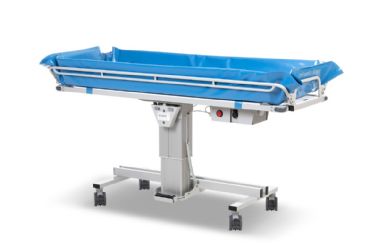
A shower gurney (sometimes called a shower stretcher) is a mobile, waterproof device designed to transport and bathe individuals who cannot sit upright safely. These gurneys typically feature drainage systems, adjustable height mechanisms, side rails for safety, and padded surfaces for comfort, making them ideal for hospitals, rehabilitation centers, nursing homes, and home caregivers.
Shower gurneys are ideal for:
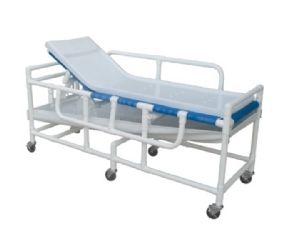
When selecting a shower gurney, construction material plays a critical role in ensuring long-term durability, patient safety, and caregiver ease. Most gurney frames are built from heavy-duty, water-resistant materials such as PVC pipe, powder-coated stainless steel, or a combination of stainless and zinc-plated steel. Some lightweight models use durable vinyl for easier transport and maneuverability. Waterproof, closed-cell foam pads are common and are either designed with drainage holes to allow water to flow directly to the floor or with a built-in drain pan and flexible hose system that directs wastewater to a drain or toilet.
Because mobility is essential for a shower gurney, selecting the right waterproof casters is key to ensuring smooth and safe transport. Most shower gurneys are equipped with rust-resistant casters in sizes ranging from 5 inches to nearly 8 inches in diameter, allowing easy movement across different floor types. Some models feature a combination of braking and straight-steering casters for both controlled maneuvering and secure positioning during bathing. Higher weight-capacity gurneys may also include a central caster to prevent sagging and to enhance stability when moving heavier patients.
~7.jpg&newwidth=365&maxheight=200 "Polaris Shower Trolley") | Polaris Shower Trolley View Product |
Side rails are a critical safety feature on shower gurneys, helping to keep patients secure during transport through homes or facilities. Most rails are curved to provide supportive boundaries without causing harm and are designed to fold or slide down for easier patient transfers before locking back into place for safe containment. Some advanced models include a side-mounted column that allows the gurney to align flush with a bed for smoother lateral transfers, while wider bariatric gurneys may have inward-folding rails to reduce the gurney’s width for easier navigation through narrow doorways.
 | Concerto Height-Adjustable Shower Trolley by ArjoHuntleigh View Product |
Adjustable headrests are an important comfort and safety feature on many shower gurneys. Models with three- or five-position elevated headrests allow patients to raise their heads during bathing, which improves comfort, visibility, and water drainage. Elevating the headrest helps prevent water from pooling around the nose and mouth, enhancing both the patient’s breathing comfort and the caregiver’s ability to maintain a safe, effective bathing experience.
 | Lumex PVC Shower Bed-Stretcher View Product |
For patients who require continuous medication delivery, many shower gurneys offer integrated IV mounting brackets. These brackets securely hold an IV pole, allowing infusion bags to remain in place during transport and bathing. Particularly important in hospital and critical care environments, IV mounting options help maintain the consistent flow of fluids or medications without disrupting treatment. This ensures the patient’s medical needs are safely managed throughout hygiene routines, reducing the risk of interruptions, contamination, or manual pole handling by caregivers.
Positioning pillows are a valuable accessory for enhancing patient comfort and safety during bathing on a shower gurney. Designed to provide targeted support, wedge pillows are typically available in 15- or 30-degree angles and can optimize upper body elevation to improve breathing, circulation, and pressure relief. These pillows can help manage conditions like GERD, acid reflux, edema, and respiratory congestion while also alleviating discomfort in the neck, shoulders, and back. By improving body alignment and reducing strain, waterproof positioning pillows contribute to a safer, more comfortable showering experience for patients with complex medical needs. Some gurneys offer height adjustability and Trendelenburg positioning for an even simpler caregiving experience.
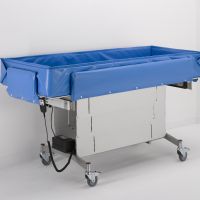 | Shower Gurney with Electric Height Adjustment and 500 Lbs Capacity - Smirthwaite Mobi Shower Trolley View Product |
Folding shower gurneys are ideal for environments where space is limited, offering a compact storage solution without sacrificing patient safety. These models often feature ends that fold up, reducing the bed length to approximately 42 inches and saving up to nine square feet of space when not in use. Folding gurneys are a great choice for smaller clinics, rehabilitation facilities, and home bathrooms where maneuverability and storage flexibility are critical. Despite their compact design, they maintain the essential safety and durability features needed for patient hygiene care.
 | IPU Mobile Foldable Shower Bed View Product |
Battery-operated shower gurneys provide powered height and positioning adjustments, reducing caregiver strain and enhancing patient safety. When selecting a battery-operated model, it's important to consider the battery design—whether it is embedded and chargeable via a magnetic connector or removable for remote charging. This distinction can impact daily workflow depending on the facility’s or home’s electrical setup. Powered gurneys are especially valuable in high-use environments, bariatric care, or settings where minimizing manual lifting is a priority for injury prevention.
 | Battery Operated Shower Bed- TR3000 by TR Equipment View Product |
Height adjustability is a critical feature in modern shower gurneys, allowing caregivers to optimize ergonomics and reduce physical strain during patient transfers and bathing. Some models use manual hydraulic systems, while others offer electric or battery-operated adjustments via hand pendants, foot pedals, or side-mounted controls. Advanced gurneys may also allow for tilting into positions such as Trendelenburg to facilitate fluid drainage or enhance patient comfort. The ability to adjust the gurney height and tilt provides flexibility to accommodate a wide range of clinical needs and caregiver preferences.
 | Shower Bed with Adjustable Height and Tilt- TR2000 by TR Equipment View Product |
Choosing between a bariatric and standard shower gurney depends largely on the patient's weight and clinical profile. Standard models typically support at least 300 pounds, but many bariatric options can accommodate higher capacities ranging from 374 pounds to 600 pounds, and even up to 1,000 pounds. Bariatric gurneys are often wider and reinforced to provide greater stability and support during transport and bathing. Regardless of which option is selected, it is important to choose a gurney rated for a weight capacity significantly above the patient’s average weight, allowing for safe use even with normal weight fluctuations.
 | Heavy Duty Bariatric Shower Trolley - Atlas TR 4000 by TR Equipment View Product |
Choosing the right shower gurney involves assessing the patient's mobility, weight, and medical needs, the caregiver's physical abilities, and the intended care setting. Prioritize safety features like locking wheels, side rails, and drainage systems, and select between manual and powered models based on caregiver strength and patient weight.
When choosing among these options, consider:
"Shower trolley" and "shower gurney" are often used interchangeably. Both refer to mobile, waterproof stretchers designed to support patients in a lying position during bathing. Trolleys sometimes refer to lighter or more adjustable models, while "gurney" is a broader term for a wheeled stretcher, but in clinical practice, the two terms are synonymous.
Yes, shower gurneys can be used at home, especially models designed for compact spaces and easier maneuverability. When selecting a gurney for home use, it’s important to choose one that is lightweight, easy to clean, and sized appropriately to fit through doorways and within bathroom spaces for safe and effective hygiene care.
Selecting the right shower gurney plays a vital role in maintaining patient comfort, dignity, and safety during hygiene care. By carefully considering features such as height adjustability, weight capacity, drainage design, and frame durability, caregivers can choose a model that meets both clinical and home care needs. A well-designed gurney not only supports safe, efficient hygiene routines but also reduces caregiver strain and promotes better long-term health outcomes for individuals with limited mobility. Investing in the right shower gurney ultimately improves quality of life for patients and helps caregivers provide care with greater confidence and ease.

Co-founder/CEO of Rehabmart, Pediatric Occupational Therapist, husband, and father. Passionate about connecting special needs kids with superb nutrition, sensory integration, and complementary health strategies. Excited about Rehabmart's mission to become the premier online educational platform which empowers caregivers by spotlighting innovative devices and interventions to achieve optimal patient response and recovery.