Postoperative care following knee surgery (e.g., total knee replacement, ACL reconstruction, meniscectomy) is crucial for reducing pain, inflammation, and promoting healing. Cryotherapy (cold therapy) using an ice machine is a standard adjunct to rehabilitation, improving patient comfort and recovery outcomes.
Why an Ice Machine for Knee Surgery Works, Clinically
Cold therapy provides the following benefits post-surgery:
- Pain Reduction: Numbs the surgical area by decreasing nerve conduction velocity.
- Edema Control: Reduces vasodilation and inflammatory response, preventing excessive swelling.
- Improved Range of Motion: Reduces postoperative stiffness.
- Decreased Opioid Dependence: Provides non-pharmacological pain relief.
Supporting Clinical Research
- A randomized controlled trial found that continuous cryotherapy after total knee arthroplasty significantly reduced postoperative pain and swelling while improving early functional recovery.
- Studies suggest that cryotherapy reduces hospital stays by expediting rehabilitation and improving the range of motion.
- Combining compression with cryotherapy has also been proven to significantly improve the speed of healing.
Indications for Use
An ice machine is recommended for:
- Total knee replacement (TKA)
- ACL/MCL reconstruction
- Meniscus repair
- Patellar realignment
- Fracture fixation surgeries
Contraindications
- Poor circulation (e.g., peripheral artery disease)
- History of frostbite
- Cold hypersensitivity (Raynaud’s disease)
- Open wounds or infections
Ice Machine Usage Protocol
1 Immediate Postoperative Period (0–72 hours)
Frequency: 20–30 minutes per session, every 2 hours, while awake.
Temperature: 45–55°F (7–13°C)
Application: Use a barrier (thin towel or cloth) between the skin and the ice wrap.
2 Subacute Phase (72 hours – 2 weeks)
Frequency: 3–5 times per day, 20–30 minutes per session
Goal: Reduce lingering inflammation and pain while enhancing early mobility.
3 Late Recovery Phase (2–6 weeks)
Frequency: As needed for pain and swelling management.
Goal: Assist with post-rehabilitation muscle soreness and activity-related inflammation.
Step-by-Step Ice Machine Setup
- Fill the reservoir with ice and cold water (as per manufacturer guidelines).
- Attach the knee wrap and adjust for a secure, non-constrictive fit.
- Set the temperature and flow rate (if adjustable).
- Begin treatment, ensuring the patient monitors skin for numbness or frostbite risk.
- Drain and clean after each use to prevent bacterial contamination.
Clinical Monitoring and Precautions
Signs of Complications
- Excessive numbness beyond 10 minutes post-treatment
- Skin discoloration (pale or bluish tone)
- Increased pain or hypersensitivity
- Blistering or frostbite formation
Precautions
- Skin Integrity Checks: Always check the skin every 15 minutes during use.
- Avoid Excessive Cold Exposure: Never apply direct ice contact to surgical incisions. Patients with neuropathy or diabetes should have reduced duration to 15 minutes per session.
- Compression Pressure Adjustment: If using an integrated compression system, ensure adequate blood circulation.
- Hydration and Sensation Checks: Encourage hydration and confirm normal skin sensation before and after therapy.
Patient Positioning During Cryotherapy
- Supine Position: Best for total knee replacement patients to avoid knee flexion contractures.
- Elevated Leg: Keep the knee slightly elevated to reduce swelling.
- Seated Position: Suitable for meniscus repair or ACL reconstruction when performing gentle mobility exercises.
Recommended Ice Machines for Knee Surgery
Here are clinically approved ice therapy machines:
- Lightweight and portable
- Consistent cooling for up to 6 hours
- Adjustable flow settings
- Best for: ACL and total knee replacement
- Integrated cold + compression technology
- Reduces swelling more effectively than standard ice therapy
- Best for: Post-surgical edema control
- Professional-grade cryotherapy
- Combines pneumatic compression with cold therapy
- Best for: Elite athletes and post-op rehab centers
Additional Considerations for Clinical Settings
- Rehabilitation integration: Cold therapy should be used alongside PT protocols for optimal recovery.
- Cost-effectiveness: Rental programs may benefit patients not requiring long-term use.
- Insurance coverage: Some insurance providers cover cold therapy devices—verify eligibility.
Conclusion
Ice therapy is a clinically proven intervention for pain and swelling control after knee surgery. The right machine and protocol adherence ensure safe, effective recovery while reducing opioid reliance.
Final Recommendations
- Select an FDA-cleared device for optimal safety and efficacy.
- Monitor skin integrity and circulation during therapy.
- Integrate cryotherapy with physical therapy and mobility exercises for best outcomes.
Sources
- Liang, Z., Ding, Z., Wang, D., Guo, Y., Zhu, L., Luo, Z., & Li, L. (2024). Cryotherapy for rehabilitation after total knee arthroplasty: A comprehensive systematic review and meta-analysis. Orthopaedic Surgery, 16(12), 2897–2915. https://doi.org/10.1111/os.14266
- (2023). Effects of an early exercise program with cryotherapy on range of motion, pain, swelling, and gait in patients with total knee arthroplasty. Journal of Clinical Medicine, 13(5), Article 1420. https://www.mdpi.com/2077-0383/13/5/1420
- (2023). Randomized controlled trial of compressive cryotherapy versus standard cryotherapy after total knee arthroplasty: Pain, swelling, range of motion, and functional recovery. BMC Musculoskeletal Disorders, 24, Article 731. https://doi.org/10.1186/s12891-024-07310-7
Author:
Megan Smith, PT
Megan has been a part of Rehabmart since its inception nearly 20 years ago. For the past several years she has been enjoying her role as HR Director while maintaining her Physical Therapy license. When she isn't working on her next in-service or working to find a new team member, she enjoys her five children, helping those who have PT type ailments, baking, practicing yoga, and working out.
Meet all of our experts here!


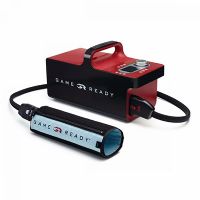

 Ice Machine Cold Therapy System & Wraps for Pain and Swelling Reduction - IceMan Clear 3 Cube