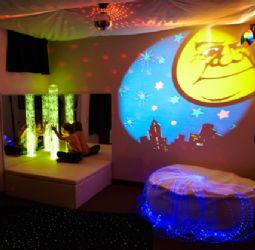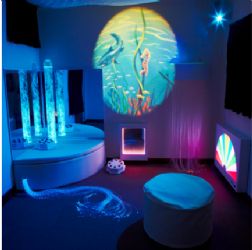
Sensory room design focuses on creating a space that supports calm, focus, or movement through thoughtfully controlled sensory input. These rooms are often used by children and adults with sensory processing challenges, autism, ADHD, or anxiety, but they can benefit anyone who responds well to a quiet, structured environment. A sensory room does not need to be large or expensive to be effective. What matters most is matching the space to how the person experiences sound, touch, movement, and light.
Sensory rooms work best when they are planned with intention. Some people need a calming space with soft lighting and quiet surroundings. Others benefit from movement or deep pressure. Starting with a clear purpose helps guide what to include, what to avoid, makes the space safer, and reduces the risk of overstimulation.
A sensory room usually includes a small mix of items that support different senses. You do not need to include everything at once. The most effective rooms focus on a few well-chosen elements that work together.
For those just getting started, the Multisensory Environment Starter Pack 1 offers a simple way to introduce calming visual and tactile elements without overwhelming the space. It’s designed to create a balanced sensory experience and works well in homes, classrooms, or therapy rooms where flexibility matters.
 | Multi-Sensory Environment Starter Packs View Product |
For a more active setup, the Superactive Sensory Room Bundle combines movement-based and sensory equipment to support engagement, body awareness, and controlled activity. This type of bundle is often used in therapy or school settings where users benefit from both movement and sensory input.
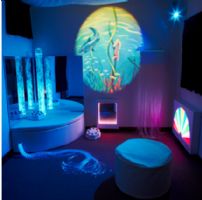 | Complete Bundle for Superactive Sensory Stimulation Room View Product |
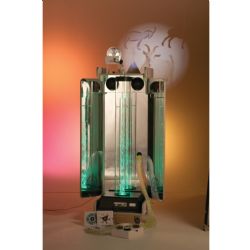
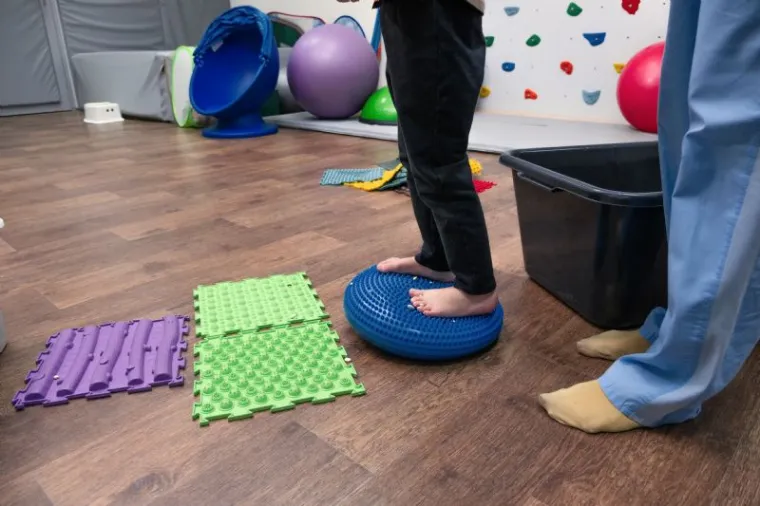
Soft surfaces like mats or bean bags give a safe place to move or rest. Swings, rocking chairs, and exercise balls can help with balancebt and body awareness. Visual elements such as bubble tubes or fiber optic lights can support focus or calming, while tactile items let users explore and regulate their senses through touch. Any sound in the room should be optional and easy to turn off.
A sensory room can be set up in nearly any home, classroom, or care setting with some thoughtful planning. The most effective spaces focus on individual needs instead of filling the room with equipment. Starting simple often leads to better long-term results, and flexibility is important since sensory needs can change over time.

Co-Founder of Rehabmart and an Occupational Therapist since 1993. Mike has spent his professional career working in multiple areas of Occupational Therapy, including pediatrics, geriatrics, hand therapy, ergonomics and inpatient / outpatient rehabilitation. Mike enjoys writing articles that help people solve complex therapeutic problems and make better product choices.