

MENU CART (0)
Caregiver University > Frequently Asked Questions

Frequently Asked Questions

What Does Red Light Therapy Do For Your Skin?

What Does Red Light Therapy Do For Your Skin?
By Megan Smith, PT, Executive Director of HR

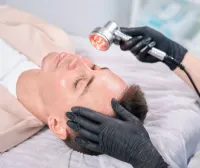
Red light therapy is a non-invasive skincare treatment that uses low-level red and near-infrared light to support healthier-looking skin. It works by energizing skin cells, which can improve collagen production, reduce inflammation, and support natural healing. With consistent use, it may help smooth skin texture, reduce fine lines, calm redness, and improve acne-prone skin. While results vary, most people notice gradual improvements over several weeks. Device size and coverage also matter, especially when treating larger areas of the body.



What Are the Different Types of Ostomy Supplies?

What Are the Different Types of Ostomy Supplies?
By Hulet Smith, OTR/L, MBA, CEO

Ostomy supplies include pouching systems, skin barriers, and accessories designed to protect the skin, prevent leaks, and support comfortable daily care after a colostomy, ileostomy, or urostomy. Understanding the different types, such as one-piece and two-piece systems, barrier rings, and support accessories, can help you build a setup that fits your body, routine, and comfort needs.


How Often Should You Use Red Light Therapy?

How Often Should You Use Red Light Therapy?
By Hulet Smith, OTR/L, MBA, CEO

Red light therapy is used to support skin health, improve fine lines, and promote a more balanced complexion by using low-level red and near-infrared light to aid the body’s natural repair processes. Consistency matters more than long or infrequent sessions. Most people start with 3-5 sessions per week, lasting about 10-30 minutes per area, and may see results within 4-12 weeks before reducing to 1-3 sessions per week for maintenance. Daily use may be appropriate for some devices, depending on goals and individual response.


What Injuries Need an Arm Sling? A Quick Debrief

What Injuries Need an Arm Sling? A Quick Debrief
By Hulet Smith, OTR/L, MBA, CEO

An arm sling is a supportive device designed to hold the arm in a stable, comfortable position, helping reduce strain on the shoulder, elbow, or wrist. It is commonly used for fractures, dislocations, sprains, post-operative care, and soft tissue injuries. By keeping the arm slightly bent and close to the body, the sling encourages proper alignment, facilitates safer movement, and supports participation in daily activities. Lightweight, adjustable, and easy to use, arm slings for shoulder or elbow support provide both short-term and extended assistance while promoting independence and functional mobility. Proper use includes positioning the arm across the chest, securing the sling comfortably around the neck, and adjusting for stability and reduced swelling. Overall, arm slings offer a practical way to maintain comfort, stability, and confidence during recovery or periods of limited mobility.


Does Lymphatic Drainage Work? Learn the Science Behind This Therapy Technique

Does Lymphatic Drainage Work? Learn the Science Behind This Therapy Technique
By Mike Price, OT, CIO/CMO

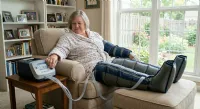
Lymphatic drainage machines are designed to support the natural movement of fluid through the lymphatic system using gentle, rhythmic compression. They offer a practical alternative to manual lymphatic drainage by providing consistent, repeatable sessions that can be used at home or in clinical settings. While they do not replace professional care for complex conditions, these devices can complement therapy by helping reduce mild swelling, support mobility, and encourage comfort. Commonly used for post-surgical recovery, fluid retention, and mild lymphedema, lymphatic drainage machines allow individuals to incorporate ongoing care into their daily routines, promoting independence and reducing reliance on frequent in-person treatments.


What Does a Stair Stepper Do for Your Body?

What Does a Stair Stepper Do for Your Body?
By Hulet Smith, OTR/L, MBA, CEO

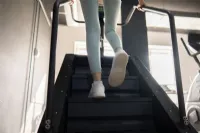
A stair stepper is a low-impact cardio machine that mimics climbing stairs, helping build lower-body strength while improving cardiovascular fitness. It targets the legs, glutes, and calves while engaging the core, and its controlled motion reduces joint impact compared to high-impact exercises. Regular use can improve endurance, balance, coordination, and support weight management. Adjustable resistance allows users to tailor workouts for rehab or higher-intensity training, making it suitable for a wide range of fitness levels.


How Do Portable Oxygen Concentrators Work?

How Do Portable Oxygen Concentrators Work?
By Mike Price, OT, CIO/CMO

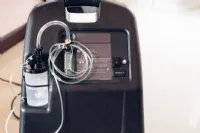
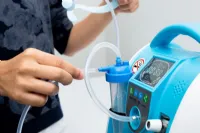
Portable oxygen concentrators help people with breathing issues receive supplemental oxygen without heavy tanks. They draw in room air, remove nitrogen, and deliver oxygen-rich air through a nasal cannula. The device runs continuously on power and may provide either steady or pulse-dose oxygen depending on the model. Proper use includes keeping the battery charged, checking tubing, following prescribed settings, and monitoring alerts.


What are the Different Types of Standing Frames?

What are the Different Types of Standing Frames?
By Mike Price, OT, CIO/CMO

Standing frames are used to support individuals who cannot stand independently, helping children, teens, and adults achieve upright positioning that may improve comfort, daily function, and participation in activities. The main types include prone, supine, sit-to-stand, upright, and dynamic standers, each providing different levels of support and movement. Prone and supine models offer greater full-body support, while sit-to-stand and upright frames are better suited for users with more strength and control. Dynamic standing frames allow controlled movement while standing. Selection depends on posture, strength, mobility, and intended use, often with guidance from a healthcare professional.


Do Slide Sheets Have a Weight Limit?

Do Slide Sheets Have a Weight Limit?
By Mike Price, OT, CIO/CMO

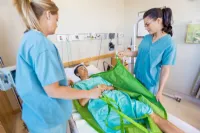
Slide sheets are designed to make repositioning easier by reducing friction, but each model has a specific weight limit that should always be followed. Standard options typically support 250 - 600 pounds, while bariatric versions can handle 1,000 pounds or more. Factors like fabric strength, stitching, and construction all influence capacity, with reusable sheets generally offering higher limits than disposable ones. Choosing a slide sheet with a weight rating above the user’s body weight helps improve safety, reduce caregiver strain, and ensure smoother transfers.


What Is Resistance Training?

What Is Resistance Training?
By Megan Smith, PT, ED of Human Resources & PEO Services

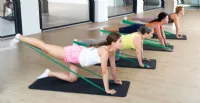
Resistance training involves controlled movements that challenge muscles using added load or tension, such as body weight, bands, free weights, or machines. It is highly adaptable, making it suitable for various fitness levels, from beginners to older adults and those in rehabilitation. Exercises typically follow simple movement patterns and can be adjusted in intensity, setup, or speed. Resistance training supports strength for everyday activities and is often combined with other forms of exercise to promote overall function and wellness.


Do Vibration Machines Help With Lymphatic Drainage?

Do Vibration Machines Help With Lymphatic Drainage?
By Megan Smith, PT, ED of Human Resources & PEO Services

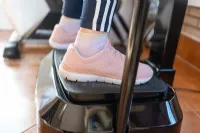
Whole-body vibration (WBV) machines use low-impact vibrations to stimulate muscle contractions, which may support circulation and create a gentle pumping effect. While not a treatment for lymphedema, they may help promote blood flow, reduce feelings of leg heaviness or stiffness, and support overall comfort when used appropriately. WBV can be a low-effort option for those with limited mobility and may complement medical care under professional guidance.


What Are Handcycles and What Are Their Benefits?

What Are Handcycles and What Are Their Benefits?
By Mike Price, OT, CIO/CMO

Handcycles provide an accessible way to enjoy cycling without relying on leg movement, making them a practical option for individuals with lower-body mobility limitations. Powered by hand cranks, these devices support outdoor activity, exercise, and daily movement while promoting physical strength and overall well-being. Available in several designs, including recreational, racing, off-road, attachable, and recumbent models, handcycles can be adapted to different environments and user needs. Whether used for casual riding or structured activity, they offer a flexible way to stay active and engaged.


What Is a Medical Refrigerator Used For?

What Is a Medical Refrigerator Used For?
By Mike Price, OT, CIO/CMO

A medical refrigerator is designed to store vaccines, medications, and laboratory materials that require consistent temperature control. Unlike household refrigerators, these units maintain stable cooling, provide digital monitoring, and include alarms for temperature changes or power loss. Used in clinics, pharmacies, hospitals, and labs, medical refrigerators help protect sensitive products and support compliance with storage guidelines. They are essential when reliable, regulated refrigeration is part of daily healthcare operations.


What Helps Arthritis in Hands?

What Helps Arthritis in Hands?
By Megan Smith, PT, Executive Director of HR

Managing arthritis in the hands often involves a combination of heat or cold therapy, gentle exercises, pacing activities, and supportive adaptive tools. Compression gloves, hand braces, and ergonomic utensils can reduce joint strain and make daily tasks easier. Warm soaks and paraffin baths help ease stiffness, while strengthening tools support mobility. Working with a healthcare provider ensures a safe, personalized plan that protects joints and promotes comfort, function, and independence over time.


What Is the Difference Between Multi Podus and Other Boots?

What Is the Difference Between Multi Podus and Other Boots?
By Hulet Smith, OTR/L, MBA, CEO

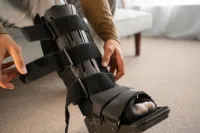
Multi Podus boots are designed to support the foot and ankle during long periods of rest. They help keep the foot in a neutral position, reduce pressure on the heel, and limit unwanted movement. Unlike walking boots, they are not made for mobility but for alignment and pressure relief. Other boots, such as CAM boots or AFOs, are built to support standing or walking. Choosing the right boot depends on whether the goal is rest, protection, or movement.


What Brands Are Popular for Healthcare Furniture?

What Brands Are Popular for Healthcare Furniture?
By Mike Price, OT, CIO/CMO

Popular healthcare furniture brands focus on durability, comfort, and cleanability for clinical and long-term care environments. Companies such as Drive Medical, Invacare, Lesro, Clinton Industries, and Joerns Healthcare manufacture beds, seating, treatment tables, and storage solutions built for daily use and repeated sanitation. These brands are widely selected for hospitals, clinics, and long-term care spaces because their products support patient comfort while helping staff maintain safe, efficient care routines.


Are Wearable Weights Effective?

Are Wearable Weights Effective?
By Hulet Smith, OTR/L, MBA, CEO

Wearable weights add light resistance to everyday movement, helping increase effort during walking, exercise, or therapy routines. When used intentionally and for short periods, they may support modest strength, endurance, and bone-loading benefits without requiring traditional gym equipment. Options such as ankle weights, weighted belts, or vests can make low-impact activity more productive. They work best as a supplement to structured exercise rather than a replacement for strength training programs.


What Is the Difference Between Red Light Therapy and an Infrared Sauna?

What Is the Difference Between Red Light Therapy and an Infrared Sauna?
By Mike Price, OT, CIO/CMO

Red light therapy and infrared saunas are noninvasive wellness options that work in different ways. Red light therapy uses targeted red and near-infrared wavelengths to support cellular activity without heat, making sessions shorter and more localized. Infrared saunas use far-infrared heat to warm the body, promote circulation, and encourage sweating during longer, full-body sessions. The better choice depends on comfort with heat, health considerations, and whether light-based support or heat-based relaxation is the goal.


What Are the Types of Adaptive Kitchen Equipment?

What Are the Types of Adaptive Kitchen Equipment?
By Hulet Smith, OTR/L, MBA, CEO

Adaptive kitchen equipment includes tools that improve grip, stability, and control during cooking and food preparation. Items such as jar openers, rocker knives, non-slip cutting boards, and stabilizing aids help reduce strain and make repetitive tasks easier to manage. These tools are commonly used in home, clinical, and assisted living settings. Choosing equipment that addresses specific challenges can make everyday meal prep safer, more comfortable, and easier to maintain independently.


What are Weighted Vests Used for?

What are Weighted Vests Used for?
By Megan Smith, PT, Executive Director of HR

Weighted vests are used for sensory regulation, focus support, and resistance training. They provide evenly distributed weight to promote body awareness during seated tasks or add intensity to walking and exercise. Sensory vests are designed for short, structured use, while fitness vests support movement-based training. Safe use depends on proper fit, appropriate weight, and clear time limits.


What is a Pregnancy Belt, and How Do I Wear One?

What is a Pregnancy Belt, and How Do I Wear One?
By Mike Price, OT, CIO/CMO

A pregnancy belt is a supportive garment designed to reduce lower back, pelvic, and abdominal discomfort as the body changes during pregnancy. It works by gently lifting the belly and redistributing weight to reduce strain on the spine and hips. Worn correctly under the abdomen, it provides support during walking and daily activities without limiting movement. Proper fit and periodic use are essential for comfort, safety, and effective relief.


Shockwave vs TECAR Therapy (What's The Difference?)

Shockwave vs TECAR Therapy (What's The Difference?)
By Hulet Smith, OTR/L, MBA, CEO

Shockwave Therapy and TECAR Therapy are two non-invasive treatments used in rehabilitation and physical therapy. This article explains how each therapy works, what they feel like, and how they are used, helping patients and caregivers understand the differences and decide which option may be a better fit for recovery and daily movement.


Is Light Therapy Effective for Seasonal Affective Disorder?

Is Light Therapy Effective for Seasonal Affective Disorder?
By Megan Smith, PT, Executive Director of HR

Light therapy offers a way to support Seasonal Affective Disorder by providing controlled bright light during the winter months. Different lamps and formats allow users to choose an approach that fits their daily routine. When used appropriately, it can be a helpful addition to seasonal self-care.


How Do Color-Coded Keyboards Help With Typing and Learning?

How Do Color-Coded Keyboards Help With Typing and Learning?
By Mike Price, OT, CIO/CMO

Color-coded keyboards help make typing and learning easier by grouping keys into clear color sections. This layout reduces visual searching, supports finger placement, and helps new typists stay focused. When combined with spoken feedback, color-coded keyboards can also support early literacy and communication, making them useful tools for classrooms, therapy settings, and assistive learning environments.


What Is Nanotechnology-Based Wellness?

What Is Nanotechnology-Based Wellness?
By Hulet Smith, OTR/L, MBA, CEO

This article explains how nano-formulated ingredients are used in modern wellness products, what current research actually studies, and where evidence is still limited. It covers oxidative stress, inflammation, and cognitive wellness pathways while clearly separating laboratory findings from proven health outcomes.


Natural Pain Relief That Works: Finding Effective Solutions for Daily Discomfort

Natural Pain Relief That Works: Finding Effective Solutions for Daily Discomfort
By Mike Price, OT, CIO/CMO

Natural pain relief products provide targeted support for managing everyday muscle aches, joint stiffness, arthritis discomfort, and minor injuries. By applying relief directly to sore areas, topical gels, cold therapy, and supportive tools help improve comfort and mobility without affecting the entire body. These solutions can be used before activity, during flare-ups, or after physical strain, making them a flexible option for daily comfort, recovery, and long-term wellness routines.

A Quick Beginner's Guide to Photobiomodulation

A Quick Beginner's Guide to Photobiomodulation
By Hulet Smith, OTR/L, MBA, CEO

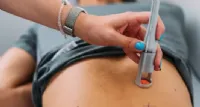
Photobiomodulation (PBM) is a gentle, non-invasive light therapy that uses red or near-infrared wavelengths to support how cells function. This beginner-friendly guide explains what PBM is, how it works, and how people commonly use it at home for wellness, comfort, recovery support, and brain-focused routines. It also covers what a PBM session feels like and what to expect with regular use.


A Simple Guide to Hearing Aids for Clearer Conversations

A Simple Guide to Hearing Aids for Clearer Conversations
By Mike Price, OT, CIO/CMO

Hearing aids support clearer communication by amplifying sounds and reducing listening effort in everyday settings. This article explains how hearing aids work, the benefits they offer for daily conversations, and the key features to consider when choosing a device. It also highlights a simple, rechargeable over-the-counter option designed for ease of use and everyday sound support, helping readers make an informed and confident choice.


What Is the Best Inversion Table and How to Use One?

What Is the Best Inversion Table and How to Use One?
By Megan Smith, PT, Executive Director of HR

Inversion tables use gravity-assisted stretching to help reduce pressure on the spine and ease back discomfort. Choosing the right model depends on factors like frame stability, padding, adjustable angles, and weight capacity. Safe use starts with shallow angles and short sessions, then gradual increases as the body adjusts. Comfort, safety features, and proper setup help make inversion therapy a practical option for home back care when used responsibly and with medical guidance when needed.



What Is Seasonal Affective Disorder, Anyway?

What Is Seasonal Affective Disorder, Anyway?
By Mike Price, OT, CIO/CMO

Seasonal Affective Disorder, or S.A.D., is a type of depression linked to seasonal changes in daylight, most often during fall and winter. Reduced sunlight can affect mood, sleep, and energy, leading to fatigue, low motivation, and withdrawal. For older adults, these changes can also impact home safety and independence. Early awareness and supports such as light therapy, routine movement, and a well-lit home can help manage symptoms.


How Do You Use a Portable Oxygen Concentrator?

How Do You Use a Portable Oxygen Concentrator?
By Hulet Smith, OTR/L, MBA, CEO

Portable oxygen concentrators help people who need supplemental oxygen stay active and independent at home and on the go. These lightweight devices pull in room air, filter out nitrogen, and deliver concentrated oxygen through a nasal cannula without the need for refills. Most models run on rechargeable batteries or AC power, making them easy to use during daily activities and travel. With simple setup steps, clear controls, and routine cleaning, a portable oxygen concentrator can become a comfortable part of everyday life. Following prescribed settings and basic maintenance helps ensure safe, reliable oxygen support while maintaining mobility and confidence.


Can You Overuse a TENS Unit?

Can You Overuse a TENS Unit?
By Hulet Smith, OTR/L, MBA, CEO

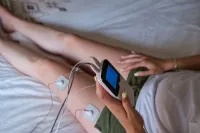
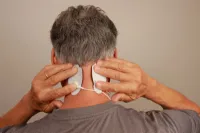
TENS units are commonly used to help manage muscle, nerve, and joint pain through gentle electrical stimulation. When used as directed, they are generally safe, but overuse can lead to skin irritation or discomfort. Most people benefit from short sessions with proper pad placement and comfortable intensity levels. Knowing how often and how long to use a TENS unit can help reduce irritation while maintaining effective pain relief.


How Much is a TENS Unit?

How Much is a TENS Unit?
By Mike Price, OT, CIO/CMO

TENS units are portable devices that use mild electrical pulses to help manage muscle, nerve, and joint pain. Prices typically range from about thirty-five dollars for basic home units to one thousand dollars or more for advanced or professional models. Cost depends on features such as intensity levels, programs, channels, and whether the unit combines TENS with muscle stimulation. Choosing the right TENS unit comes down to comfort needs, frequency of use, and budget. People with ongoing or severe pain should talk with a health care provider before starting TENS therapy.


What Are the Best Cold Laser Therapy Brands for Pain Relief?

What Are the Best Cold Laser Therapy Brands for Pain Relief?
By Mike Price, OT, CIO/CMO

Cold laser therapy is a noninvasive option many people explore for pain relief and overall comfort. This overview explains how leading cold laser therapy brands differ in design, features, and flexibility. Some brands focus on simple, handheld devices for home use, while others offer higher-powered systems with adjustable wavelengths and pulsed settings for clinical environments. Understanding differences in wavelength, power output, portability, and ease of use can help people choose a device that fits their routine and comfort level. The article also reviews general pros and cons, noting that more advanced devices offer greater control but may feel complex or cost more. Overall, consistency of use and guidance from a healthcare provider are key factors in getting the most from cold laser therapy.


What Does Cryotherapy Do for Your Body?

What Does Cryotherapy Do for Your Body?
By Megan Smith, PT, Executive Director of HR

Cryotherapy is a cold-based therapy that uses extremely low temperatures to help reduce pain, swelling, and inflammation. During short sessions that last one to five minutes, controlled cold exposure cools the skin quickly, which can slow nerve activity and limit swelling. As the body warms back up, blood flow increases, helping deliver oxygen and nutrients that support recovery. Cryotherapy is commonly used in sports medicine, physical therapy, and wellness programs to ease muscle soreness, joint stiffness, and post-exercise discomfort. When used correctly and with proper safety controls, cryotherapy can be a fast, drug-free option for managing pain and supporting recovery.


How Often Do You Use a Vagus Nerve Stimulation Device?

How Often Do You Use a Vagus Nerve Stimulation Device?
By Hulet Smith, OTR/L, MBA, CEO

Vagus nerve stimulation devices use gentle electrical pulses to support nervous system balance and promote calm. Most at-home devices are used one to three times per day in short sessions that last a few minutes. Starting with a low, steady routine helps the body adjust and reduces the chance of discomfort. The right schedule depends on the device, the reason for use, and guidance from a healthcare provider. When used as directed, VNS may support relaxation, stress reduction, and overall nervous system regulation.


What Is the Best Way to Empty a Bedside Commode? Safe Cleaning Steps for Caregivers

What Is the Best Way to Empty a Bedside Commode? Safe Cleaning Steps for Caregivers
By Hulet Smith, OTR/L, MBA, CEO

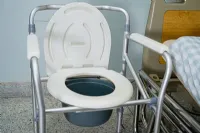
This guide explains the safest and easiest way to empty a bedside commode at home. It covers simple cleaning steps, essential supplies, common mistakes to avoid, and tips for keeping a commode sanitary, odor-free, and safe for daily use.


Who Should Not Use Photobiomodulation?

Who Should Not Use Photobiomodulation?
By Hulet Smith, OTR/L, MBA, CEO

Photobiomodulation is often well tolerated, but it is not appropriate for everyone. This article explains which groups should avoid PBM or consult a healthcare provider first, including people with cancer without medical clearance, those who are pregnant, individuals taking photosensitizing medications, people with unmanaged thyroid conditions, and those with photosensitive epilepsy. It also outlines what to do if someone is unsure about PBM safety, such as reviewing medications, confirming timing after surgery or injury, and starting with shorter sessions. Overall, the article helps readers understand when extra caution or medical guidance is recommended before using light-based therapy.


How Do Isolation Tanks Work?

How Do Isolation Tanks Work?
By Megan Smith, PT, Executive Director of HR

Isolation tanks, also known as float tanks, offer a quiet, low-stimulus environment where people float effortlessly in warm, salt-dense water. By reducing light, sound, and physical pressure on the body, these sessions encourage deep relaxation and a mental break from daily distractions. Many people describe feeling calmer, lighter, or refreshed after a session, though experiences vary widely. Float therapy is best viewed as a personal wellness practice rather than a medical treatment, with ongoing research exploring its short-term effects on stress and anxiety.


What Does Blue Light Therapy Do?

What Does Blue Light Therapy Do?
By Megan Smith, PT, Executive Director of HR

Blue light therapy is a gentle, non-invasive treatment that uses visible light to help reduce acne-causing bacteria, calm skin inflammation, and support clearer skin. Most often used for mild to moderate acne, it targets the outer layers of the skin and is generally well tolerated, including by people with sensitive skin. While it is not intended for severe or cystic acne, blue light therapy can be a helpful part of a consistent skin care routine, especially for those who want a drug-free treatment option.


How Much do Hyperbaric Chambers Cost?

How Much do Hyperbaric Chambers Cost?
By Hulet Smith, OTR/L, MBA, CEO

Hyperbaric chamber prices can range from five thousand to more than one hundred thousand dollars, depending on the type, pressure rating, and intended use. Soft home chambers are the most affordable option, while hard shell models are built for higher pressures and clinical environments. Understanding purchase costs, maintenance needs, and pressure levels helps people choose the right option for their goals and budget.


Why is Accessibility Important in the Classroom?

Why is Accessibility Important in the Classroom?
By Hulet Smith, OTR/L, MBA, CEO

Accessibility in the classroom ensures every K–12 student can participate and learn equally. This article explains why accessible classrooms improve inclusion, academic performance, and student confidence while supporting ADA and IDEA standards for equitable education.


What is Ambulatory Care?

What is Ambulatory Care?
By Hulet Smith, OTR/L, MBA, CEO

Ambulatory care offers safe, same-day medical services like checkups and testing without hospital stays, improving access and lowering costs.


What is a Hearing Loop, and How Does it Work?

What is a Hearing Loop, and How Does it Work?
By Hulet Smith, OTR/L, MBA, CEO

A hearing loop is an assistive listening system that sends sound directly from a microphone to a hearing aid or cochlear implant equipped with a telecoil. By reducing background noise and echo, it helps people with hearing loss hear clearly in public places like theaters, churches, and airports.


The Best Bathroom Accessibility Solutions

The Best Bathroom Accessibility Solutions
By Mike Price, OT, CIO/CMO

Bathroom accessibility solutions help people move safely and confidently in the bathroom by reducing fall risks and supporting independence. Simple tools like grab bars, raised toilet seats, and non-slip flooring, along with larger changes such as walk-in tubs or roll-in showers, create a safer space for people with mobility needs.


Worried About an ALS Diagnosis? Stop and Read This!

Worried About an ALS Diagnosis? Stop and Read This!
By Megan Smith, PT

A potential ALS diagnosis is a scary thing for you or a loved one. But the more you know, the better prepared you will be to deal with the news. This article is filled with the facts you need to better understand this life-changing condition. 


Can a PT Table Be Used at Home?

Can a PT Table Be Used at Home?
By Hulet Smith, OTR/L, MBA, CEO

A physical therapy table can be safely and effectively used at home for rehabilitation, post-surgical recovery, and chronic pain management. When selected with proper safety features, such as height adjustability, stability, and medical-grade upholstery, a home therapy table offers the same ergonomic support found in clinical settings. With guidance from a licensed physical therapist, patients and caregivers can use these tables to perform exercises, stretches, and manual therapy comfortably and safely, promoting consistent progress between clinic visits.


Benefits of the Sara Stedy Sit-to-Stand Transfer Aid

Benefits of the Sara Stedy Sit-to-Stand Transfer Aid
By Mike Price, OT, CIO/CMO

The Sara Stedy Transfer Aid provides safe patient transfers, encourages independence, reduces caregiver strain, and improves dignity. This non-powered device supports rehabilitation, adapts to different users, and offers Arjo's trusted quality for hospitals, nursing homes, and home care settings.